By ESS news
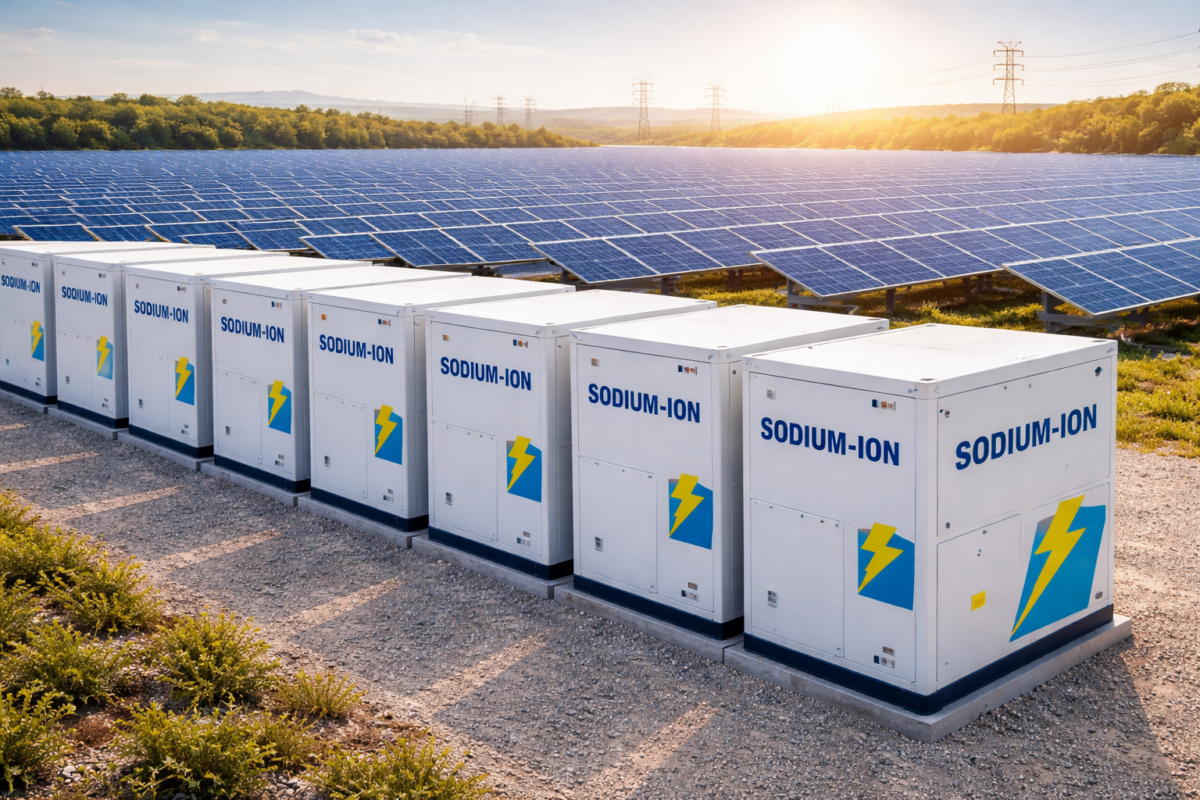
A group of researchers from Delft University of Technology (TU Delft) in the Netherlands have proposed using this 2D carbon selenide (β-CSe) as an anode material in sodium-ion batteries (SIBs) in an effort to improve device performance and safety.
“At the material level, β-CSe offers higher theoretical capacitance than conventional graphite anodes and some of the lowest ion diffusion barriers reported for any 2D material, which could mean faster charging,” said the study’s lead author Talha Zafer. pv magazine. “The small volume change during cycling – 3.2% versus 300% for silicon anodes – is a major advantage for longevity and safety. Sodium ion batteries are unlikely to beat lithium-ion batteries in terms of energy density per kilogram, but they have clear advantages in cost, safety and resource sustainability, making them ideal for stationary storage coupled with renewable energy sources, where the impact of the technology could be greatest. It is also worth noting that sodium ion cells can be safely discharged to 0 V for transport and storage, which is a practical safety advantage that lithium-ion cells do not offer.”
This content is copyrighted and may not be reused. If you would like to collaborate with us and reuse some of our content, please contact: editors@pv-magazine.com.
Popular content