
Close Menu
  • News
  • Industry
  • Solar Panels
  • Commercial
  • Residential
  • Finance
  • Technology
  • Carbon Credit
  • More
    • Policy
    • Energy Storage
    • Utility
    • Cummunity
What's Hot

Lithuanian grid operators can now shut down solar power plants without cybersecurity measures

June 8, 2026

Dutch solar owners asked to switch off during peak periods to ease the distribution crisis

June 7, 2026

The hydrogen flow: Toyota demonstrates its racing prototype on liquid hydrogen

June 7, 2026
Facebook X (Twitter) Instagram
Solar Energy News
Monday, June 8
  • News
  • Industry
  • Solar Panels
  • Commercial
  • Residential
  • Finance
  • Technology
  • Carbon Credit
  • More
    • Policy
    • Energy Storage
    • Utility
    • Cummunity
Solar Energy News
Home - Solar Industry - The impact of different substrates on the performance of the solar module
Solar Industry

The impact of different substrates on the performance of the solar module

solarenergyBy solarenergyFebruary 27, 2025No Comments3 Mins Read
Facebook Twitter Pinterest LinkedIn Tumblr Email
Share
Facebook Twitter LinkedIn Pinterest Email

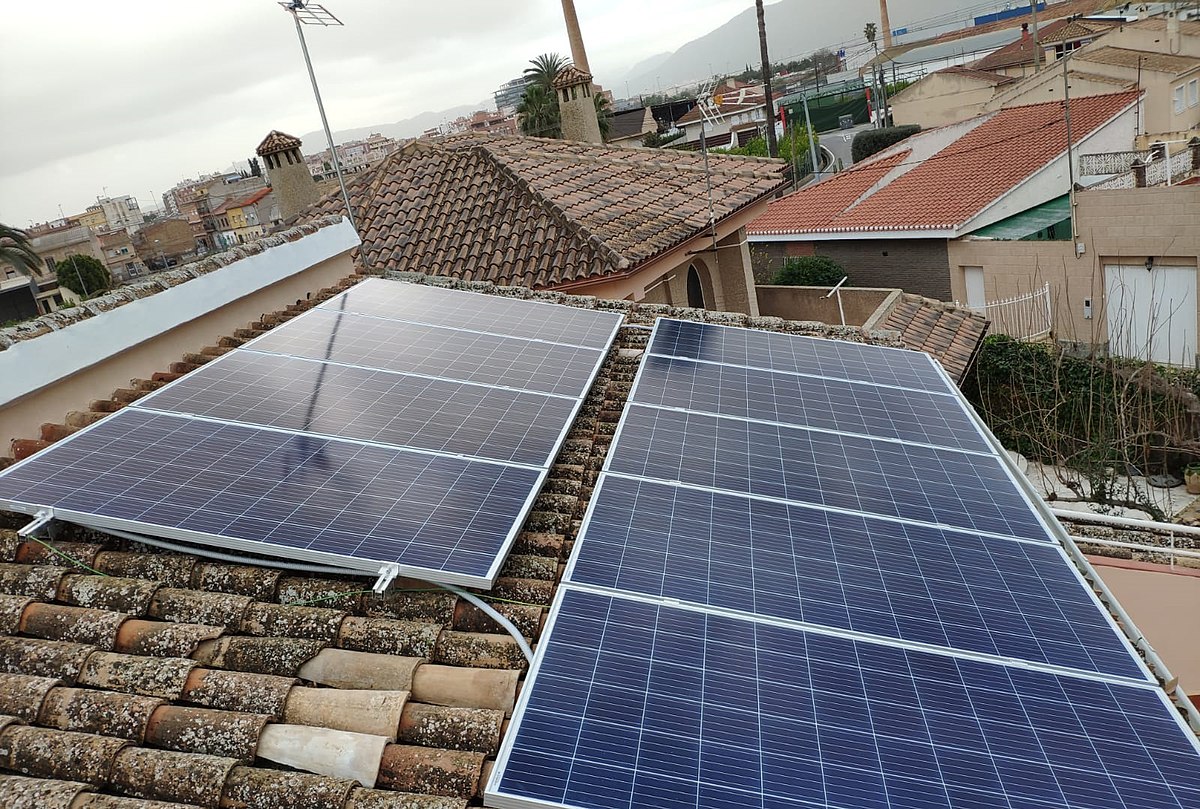
A research team has analyzed the effects of different substrates on the performance of PV module and has shown that soil is achieved the highest efficiency in 21.1%, followed by grass (19.6%), wood (17.95%), concrete (16.2%), roof tiles (11.5%).

February 27, 2025
Lior Kahana

Researchers at Kampala International University in Uganda have tested the effect of various substrates on the performance of monocrystalline solar panels and have discovered that substrates with a lower thermal conductivity and higher Albedo, such as groundy and grass, help achieve higher efficiency.

Their analysis considered panel temperatures and power outputs daily for six months, with measurements that were performed every hour between 6 a.m. and 6 p.m. and on average per hour to display the entire half -year period.

“The Albedo effect influences the temperature and can have significant implications for the efficiency of solar panel and thermal management,” the team explains. “Albedo refers to the size for the reflectivity of a surface or material. It is the ratio of reflected solar energy to the total incoming solar radiation. Surfaces with a high albedo, such as snow or white roofs, more sunlight and absorb less heat, making them cooler. Conversely, absorbing surfaces with low albedo, such as Asphalt or dark soil, more sunlight, which contributes to higher temperatures. “

Six types of mounting surfaces were analyzed: concrete, iron plate, wood, grass, ground soil and roof tiles. PV panels with a maximum power of 70 W were placed on different surfaces with a tilt 0 °. Temperature sensors measured the upper and lower areas of each surface and the back and for temperatures of the panels.

See also  Perovskite solar cell built with slot-die coating achieves an efficiency of 19.17% – SPE

“Iron plate had the highest temperature of 79 ° C followed by roof tiles at 70 ° C, then concrete at 58.8 ° C, then wood at 50.5 ° C, then grass at 41.2 ° C while the ground ground had the lowest temperature of 42.3 ° C,” the scientists said. “The results were taken further for correlation analysis. Iron plate correlated 0.954, which means that an increase in surface temperature leads to an increase of 95.4% in the cell temperature. For roof tiles it was 0.973; For concrete it was 0.964; for wood, 0.88; for grass, 0.954; While it was for the ground, it was 0.846. “

According to the results, the efficiency of the material was seen as the cell temperature increased, achieving the lowest efficiency at the afternoon when the temperature was highest. The highest efficiency was in the ground on 21.1%, grass with 19.6%, wood with 17.95%, concrete with 16.2%, roof tile at 14.3%and iron leaves at 11.5%.

“Natural substrates such as grass and soil were found to maintain the temperatures of the lower panel, improving the efficiency and lifespan of monocrystalline solar panels compared to artificial substrates such as iron sheets and roof tiles,” the team concluded. “The study confirms that the temperature of the lower panel is crucial for improving performance. Perspiration in natural substrates plays an important role in heat disipation, so that panels remain cooler and improve efficiency during peak sunlight hours. “

The results were presented in “Effects of substrates on the efficiency of a monocrystalline solar panel“Published in Scientific reports.

This content is protected by copyright and may not be reused. If you want to work with us and reuse part of our content, please contact: editors@pv-magazine.com.

See also  Video: Resetting the solar market in 2026 | Power forward!

Popular content

Source link

impact module performance solar substrates
Share. Facebook Twitter Pinterest LinkedIn Tumblr Email
solarenergy
  • Website

Related Posts

Lithuanian grid operators can now shut down solar power plants without cybersecurity measures

June 8, 2026

Dutch solar owners asked to switch off during peak periods to ease the distribution crisis

June 7, 2026

Letter from China’s PV Industry: Arctech wins 2.1 GW solar deal

June 5, 2026
Leave A Reply Cancel Reply

Don't Miss
Solar Industry

Colombia is setting up a state-owned solar panel manufacturer with the support of the Swedish state

By solarenergyNovember 13, 20250

Colombia’s Ministry of Mines and Energy says it has established a state-owned solar panel manufacturer…

NextPower UK ESG Energises 130MW UK Solar

July 14, 2025

Hanwha Japan unit secures JPY 9 billion loan for solar fund – SPE

May 14, 2026

Sungrow secures 7.8 GWh battery storage deal from Saudi Arabia – SPE

July 17, 2024
Stay In Touch
  • Facebook
  • Twitter
  • Pinterest
  • Instagram
  • YouTube
  • Vimeo
Our Picks

Lithuanian grid operators can now shut down solar power plants without cybersecurity measures

June 8, 2026

Dutch solar owners asked to switch off during peak periods to ease the distribution crisis

June 7, 2026

The hydrogen flow: Toyota demonstrates its racing prototype on liquid hydrogen

June 7, 2026

Era of electrification exposing Australia’s weakest link

June 6, 2026
Our Picks

Lithuanian grid operators can now shut down solar power plants without cybersecurity measures

June 8, 2026

Dutch solar owners asked to switch off during peak periods to ease the distribution crisis

June 7, 2026

The hydrogen flow: Toyota demonstrates its racing prototype on liquid hydrogen

June 7, 2026
About
About

Stay updated with the latest in solar energy. Discover innovations, trends, policies, and market insights driving the future of sustainable power worldwide.

Subscribe to Updates

Get the latest creative news and updates about Solar industry directly in your inbox!

Facebook X (Twitter) Instagram Pinterest
  • Contact
  • Privacy Policy
  • Terms & Conditions
© 2026 Tsolarenergynews.co - All rights reserved.

Type above and press Enter to search. Press Esc to cancel.