

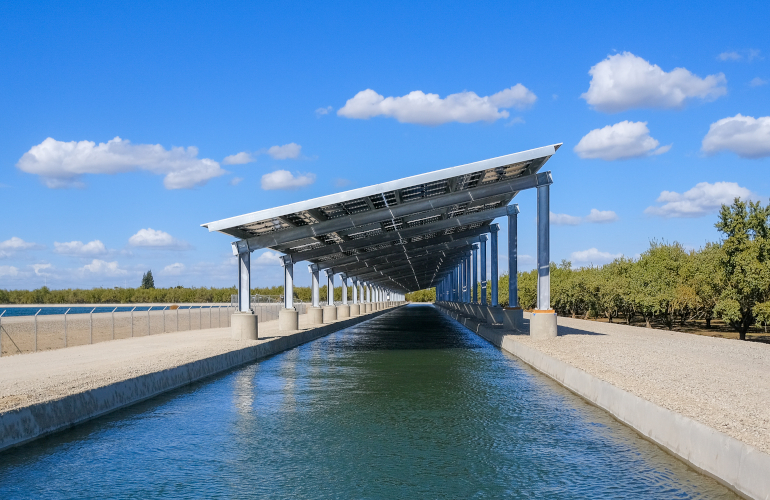
The first phase of Project Nexus, an investigation into the integration of renewable energy with water retention by using solar energy-covered channels, is complete and a second phase is well underway.
Credit: Tid
Project Nexus, led by the University of California, Merced and implemented by the Turlock Irrigation District (TID)Investigates the potential of canals covered with solar energy to optimize land use. This innovative approach not only generates clean energy, but also reduces the evaporation of water. The project is intended to collect critical data about energy production, water savings and operational efficiency, making it a scene for future large -scale implementations.
The benefits of canals covered with solar energy extend much further than energy production. Research suggests that covering the channels of California with solar panels can save 63 billion liters of water annually – enough to deliver 2 million people a year. Additional benefits include:
- Reducing the growth of algae in the channels by blocking sunlight exposure.
- Generating clean electricity during the use of existing infrastructure.
- Minimization of conflicts in land use, the preservation of agricultural land and natural ecosystems.
- Helping in regulating the temperature of the solar panel.
Since the launch, Project Nexus has made considerable progress in demonstrating the viability of solar-over-canal technology. The first phase, which covers a narrow channel section, is operational and generates electricity, which demonstrates the structural and energy -producing potential of this model. Now the project is getting along with the installation of solar panels over a much wider channel span, which means that the adaptability is further tested.
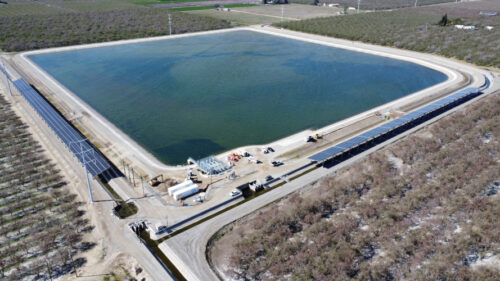
CREDIT: BEI
One of the companies that supports this progress is the experienced contractor for renewable energy Bei construction. BEI is responsible for the electrical integration of the project, in which Veld-Consumen Expertise is applied to guarantee a seamless and efficient installation.
The project also introduces unique challenges, especially for the BEI safety team, because works on water requires new protocols compared to land farms on the land. A major challenge is to adjust technical solutions to a channel system that stretches 250 miles, where different widths require different structural approaches. The second phase alone expands from 20 ft in the first phase to 110 ft wide, which requires adjusted installation methods.
In addition, safety is a top priority crews to navigate about water construction, implementing specialized precautions such as work platforms, fall protection systems and advanced electrical safety measures to guarantee a safe installation environment.
“With the BEI construction, we are proud to solve complex infrastructure challenges. Our work on the Nexus project reflects our dedication to push the boundaries of renewable energy while retaining the highest safety standards,” said Dominic Dimare, CEO of Bei Construction.
With the second phase in progress, it is expected that the Nexus project will provide invaluable value in the production of energy production, water saving and operational efficiency. These findings will guide future expansion options and contribute to the broader urge for sustainable infrastructure solutions from California.
