

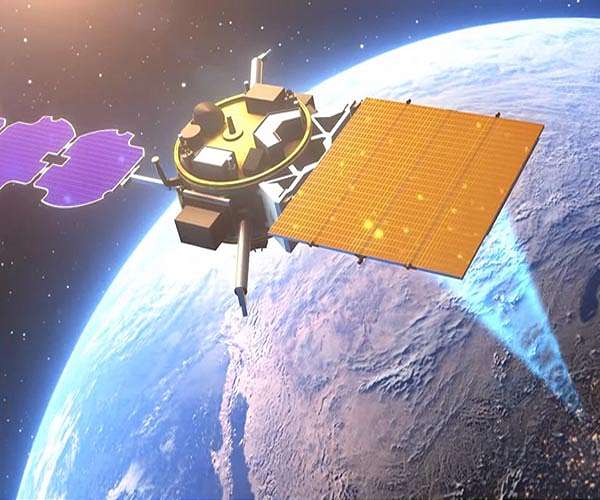
Space Solar Power Study outlines a potential role in the future of Europe Clean Energy
Space-based solar energy could considerably reform the European energy system by 2050, according to new research in the Joule magazine. The study estimates that technology could reduce the dependence on Earth-based wind and solar generation by a maximum of 80% and at the same time lower the total grid costs by 7% to 15%.
Researchers modeled the European energy system in 2050 with the help of two NASA-developed designs for orbital solar panels: the innovative heliostat swarm and the adult flat array. The Heliostat design, although less mature, showed higher performance and the potential to surpass terrestrial renewable energy sources, while the flat array was closer to the readiness of the implementation, but less cost -effective.
“In the room you may have the opportunity to position solar panels to always be opposed to the sun, which means that power generation can be almost continuous compared to the daily pattern on earth,” said senior author Wei HE of King’s College London. He emphasized that orbital panels would also benefit from a stronger solar radiation than on the ground -based systems.
Space-based solar energy would work by letting panels in one lane shine from harvested energy down as microwaves to earth-receiving stations, where it would be converted into electricity and integrated into existing infrastructure. Although the Heliostat design showed the greatest promise, the flat design could still offer critical demonstration opportunities on shorter time scales.
Modeling suggested that Heliostat-based systems could reduce the dependence on wind and solar energy by a maximum of 80%, could reduce battery use by more than 70%and the costs considerably lower if the development goals are achieved. To become cost-competitive, however, the annual system costs must fall to about 14 times that of the solar sun-based solar for the heliostat design, and 9 times for the flat array. Currently, the costs remain one to two orders of size.
The researchers claim that coordinated development of both designs would maximize progress, with demonstration in the short term using flat arrays that support the long-term implementation of Heliostat systems. Important challenges for the bow are large -scale wireless electricity transmissive tests, robot mounting in the orbit and tackling risks such as orbital debris and system breakdown.
“This is the first article to place space-based solar energy in the transition framework of the energy system,” he noticed. “We are currently at a stage to transfer this Blauwe-Hem-SKY idea on a large scale to testing and to start discussing regulation and policy-making.”
Research report:Rate on space-based solar energy for the European scale Power System DEKBONISATION
