

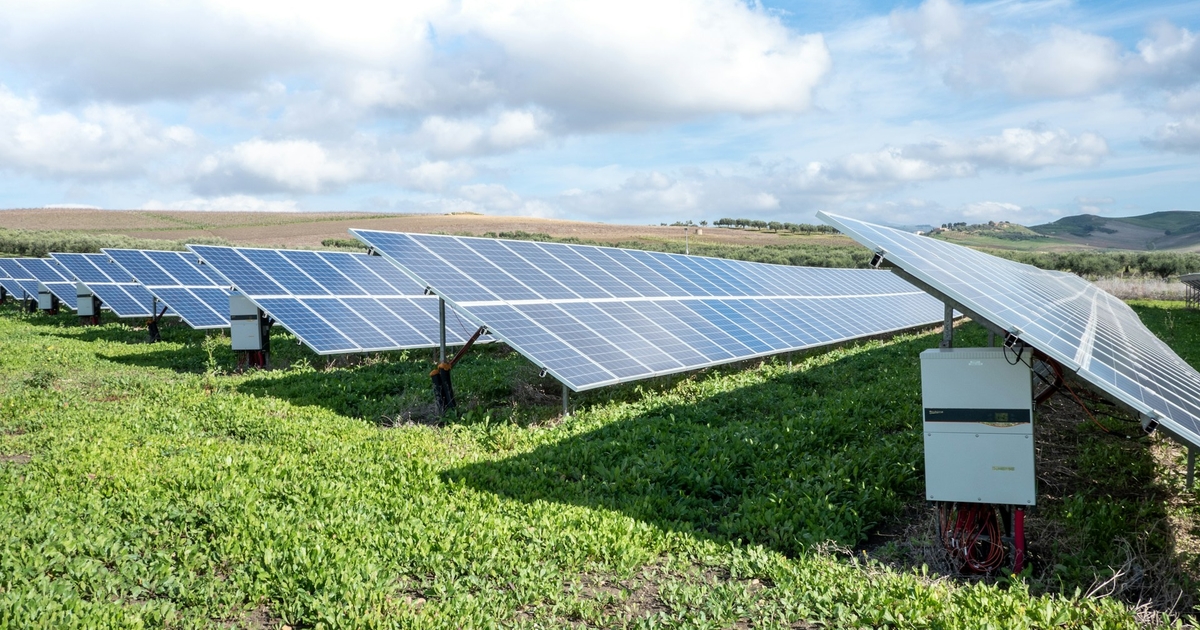
Chinese developer Chint Solar and British developer Voltis are poised to develop 5GW of renewable energy and energy storage projects in the UK.
Through a new joint venture (JV), the two companies plan to develop a portfolio of more than 15 projects, ranging from solar, wind and battery projects with a capacity of less than 100 MW to “750 MW+” Nationally Significant Infrastructure Projects (NSIPs).
The companies said all “necessary land rights” for the portfolio have been secured and that they plan to develop hybrid solar, wind and storage projects. The announcement did not include a timetable for development.
The JV – called Voltison – marks Chint Solar’s entry into the UK market. The European development arm of Chinese energy conglomerate Chint Group already has more than 30 operational projects in the Netherlands, Germany, Hungary and Portugal, which it says total about 1 GW of cumulative capacity.
Almost all operational capacity in Europe consists of solar projects in the Netherlands, with a handful in Hungary, two in Germany and one in Portugal.
Founded in the 1980s by Nan Cunhui, Chint has long been one of China’s leading electronics and PV companies, with reportedly close ties to the Chinese government.
“By combining Chint’s expertise and strengths with Voltis’ track record in solar, wind and battery storage, we aim to develop multi-technology assets that deliver stable, renewable and reliable energy output to demanding off-grid industries and the UK as a whole,” said Mark van Rij, UK country manager at Chint Solar.
No offtake agreements for the portfolio have been disclosed. Chint said the portfolio would “make a significant contribution” to the UK’s Clean Power 2030 Action Plan (CP30).
Voltis, for its part, claims to have around 7 GW of solar, energy storage and wind projects under development in Britain. The company submitted an application in December last year screening application for a 500 MW battery energy storage system (BESS) that wanted to build it in Buckinghamshire. The environmental screening test was subsequently approved, allowing the project to move forward.
