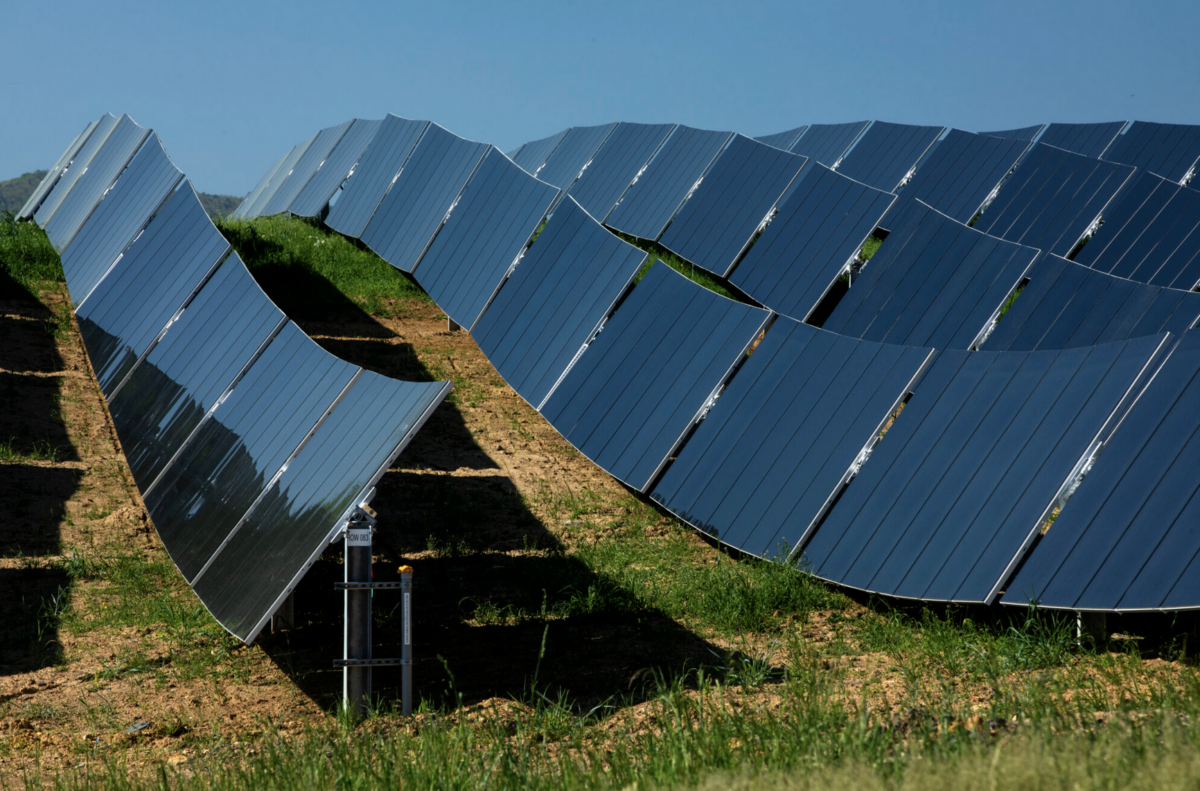
The solar industry has historically thrived on nice, flat plots of land for project development. Viewed through a product development lens, the early “customer use case” – flat locations – shaped the product requirements for tracking technologies (favoring long, continuous torque tube designs for optimal economics) and the project design tools that supported them.
But now the customer use case is changing – and fast.
During a recent webinar hosted by pv magazineattendees were asked about the area in their project pipelines. Of the nearly 300 participants, a whopping 97% reported that at least a quarter of their pipeline passed over challenging terrain.
It’s worth noting that this happened after “challenging terrain” came to be defined as either or both steep slopes and undulating land, and not just the gently rolling hills the industry has become accustomed to.
As demand for solar energy grows, the availability of flat land will only increase the percentage of projects with site problems.
To read further, visit our pv magazine USA website.
The views and opinions expressed in this article are those of the author and do not necessarily reflect those of the author pv magazine.
This content is copyrighted and may not be reused. If you would like to collaborate with us and reuse some of our content, please contact: editors@pv-magazine.com.
Popular content