

The UK government’s decision to increase the rebate available to energy-intensive industries (EIIs) operating in the country from 60% to 90% is “part of the remedy” to deal with Britain’s growing energy price crisis.
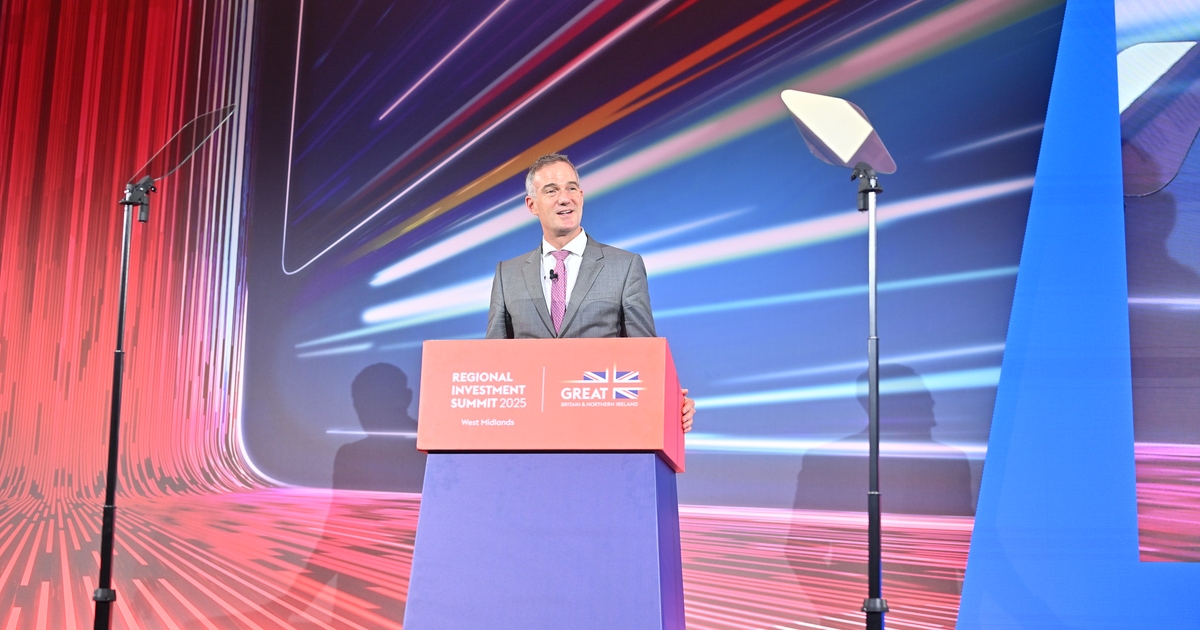
This is according to Jess Ralston, head of energy at the Energy and Climate Intelligence Unit (ECIU), who commented today on the government’s decision, which was published earlier today. Business Secretary Peter Kyle noted that EIIs are eligible for a 90% discount on their energy costs, which could save up to £420 million a year on their electricity bills from April next year.
Crucially, these costs will not be passed on to consumers.who are already facing a household energy debt crisis, with overdue debts of more than £4 billion– but will be financed through “energy system reforms”. Although the government has not provided details of this scheme today, it suggested in previous documentation that it would introduce an “EII Support Levy” for all electricity suppliers in Britain.
While the government did not specify what this levy would be, it noted that “all 112 approved suppliers” would be involved in the plan, regardless of the type of electricity generation in which they are involved.
The policy was first announced by the government in June. as part of its industrial strategyand was followed over the summer by a consultation on industry sentiment towards the proposal. Combined with the British Industrial Competitiveness Scheme, which aims to reduce energy costs for industry by 25% from 2027 by exempting industries from the costs associated with policies such as feed-in tariffs and the capacity market, the project aims to address long-standing issues associated with energy costs in UK industries.
‘A level playing field’ for British industry
“British industry deserves a level playing field – and this government is delivering that,” Kyle explains. “We heard businesses loud and clear, and this ground-breaking support will help them stay competitive on the global stage so they can invest and grow here in Britain.”
Figures published by the UK government show that UK industries have some of the highest energy prices in Europe, with average electricity prices for UK industries, before the introduction of these schemes, reaching £168/MWh in 2024.
This is much higher than some other European countries – such as France and Germany, with average industrial energy costs of £69/MWh and £60/MWh respectively – and the US, where Texas has an industrial energy price of just £38/MWh. Many of these countries have similar EII exemption schemes, with industrial players in Germany, France and the Netherlands able to obtain rebates of between 55% and 90% on their energy costs, and this approach appears to be the basis of recent UK policy.
“The UK industry has had a difficult few years and has been particularly hard hit by the energy crisis, with UK Steel pointing to wholesale electricity costs, which are largely determined by the price of gas, as ‘the main driver’ of the differences in electricity prices between the UK and Europe,” Ralston explains. However, she noted that achieving a more sustainable lower price for the UK industrial sector would mean reducing the country’s dependence on unpredictable fossil energy sources such as gas.
“By following the example of France and Germany and reducing network costs on industrial bills, the government is proposing part of the solution, but it will also be important to reform the market so that gas does not determine the price of wholesale electricity.”
Britain has made positive progress in this area so far, with renewable technologies, led by wind energy, which will generate more than half of the UK’s domestic electricity production by 2024.
