

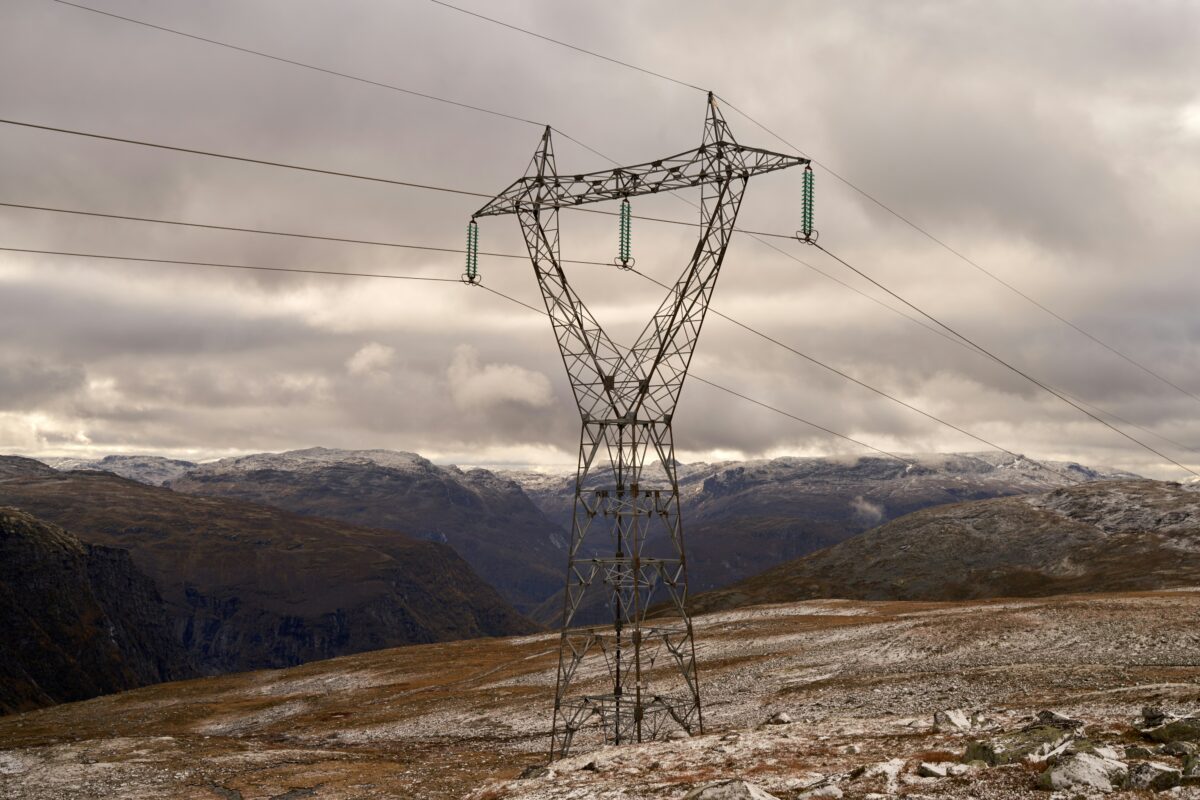
The electricity grid is expected to be increasingly affected by climate change and resulting severe weather events, which are expected to multiply as our world warms. Fires, floods, hurricanes and even extreme heat waves will and are already impacting electricity transmission around the world. Recent events in Texas are a case in point: rapid and intense rainfall damaged critical infrastructure, including substations and transmission lines, leading to both power losses in affected areas and challenges in quickly and effectively restoring full service.
A power grid is considered resilient if it can withstand the effects of severe weather, or, if severe weather renders it inoperable, if it is able to “bounce back” and restore electricity to the areas where it has been deprived most quickly and effectively.
The US Department of Energy puts it this way: “Resisting and quickly recovering from extreme weather events must be a critical function of today’s electrical grid.”
Ability to withstand extreme weather
The complexity of designing a weatherproof power grid comes from the different types of extreme weather: intense heat affects equipment differently than floods, storms or tornadoes. According to this studywhich looks at the impact of extreme heat on transmission lines in Australia: if transmission lines heat up too much, the amount of electrical power they can safely carry is reduced. As a result, “lower line values across the network could reduce supply on very hot days. It is also on these hot days that community electricity demand tends to increase, so the combined impact could reduce the reliability of energy supply.”
The situation can be even worse: extreme heat can cause the metal conductor in the electrical line to expand, causing the line to droop. If it droops too much, it can contact foliage on the ground, resulting in a short circuit and ending the line’s ability to carry power, causing even more electricity shortages.
Another factor is that extreme heat increases electricity demand as people use more air conditioning. According to Energy CentralThis summer’s record-breaking heat waves in June pushed Europe’s electricity demand to winter peaks, shut down nuclear and hydropower plants and exposed new pressure points on the electricity grid.
Smart networks, underground electricity lines and waterproof technology
Smart grid technology is one way to deal with electricity shortages: if installed effectively, the technology can automatically redistribute excess energy to areas where it is needed – in other words, it can balance the electricity grid. Data collected by sensors and artificial intelligence (AI) analysis allows operators to detect problems as they arise and address them more effectively.
Although expensive, burying electrical lines is also a way to deal with extreme weather. Many overhead electrical lines are old and were installed many years ago, compounding the problem: they are fragile and do not withstand tornadoes or even fires well. It remains to be seen whether the cost of burying lines is higher than the cost of repairing overhead lines. Addressing the areas most likely to be affected may be one way forward, rather than burying all the lines. An example is FPLa major electric utility in Florida, which responded quickly to U.S. Hurricane Ian in 2022, restoring power to two-thirds of its customers after just one day of outages, which was attributed to underground power lines near the utility performing five times better than overhead power lines in southwest Florida.
Waterproof cables made of high-quality polymer materials, which are well sealed at the joints, are also a way to withstand certain effects of flooding. Heavy rainfall and flooding can lead to short circuits and substation failures, and can accelerate the aging of cable insulation and the corrosion of metal components. The flooding of transformers, switchgear or other critical equipment can cause widespread power outages and pose significant safety risks. High humidity can lead to deterioration of the insulation properties of cables. Ensuring that equipment is waterproof is a must.
Microgrids are becoming essential
Other measures include the use of microgrids. These can connect and disconnect from the larger electrical grid and operate in grid-tied or island mode. If installed in areas where there are shortages due to extreme weather, they can provide continuous power during a grid outage through the use of energy storage or backup/standby generators. More and more microgrids are being installed: according to Global market insightsthe global microgrid market was valued at USD 22.9 billion in 2024 and will experience a compound annual growth rate (CAGR) of 19.2% between 2025 and 2034, driven by rising demand for energy resilience, the adoption of renewable energy sources and stricter environmental policies.
Microgrids are also critical in helping utilities recover from a global outage. Japan is regularly exposed to extreme weather conditions and frequent earthquakes. Even before the Fukushima nuclear disaster, the country had invested in microgrid technology that allowed it to better meet the enormous challenges caused by the earthquake and resulting tsunami.
The Japanese city of Sendai used its microgrid to maintain essential services such as electricity, telecommunications and water to hospitals, retirement homes and other structures immediately after the 2011 earthquake. Because the city’s gas network remained intact, gas engine generators were able to function as the main power supply for the microgrid.
IEC standards are a requirement
A plethora of IEC standards ensure that electricity is generated and transported safely to our homes. They deal with overhead lines, cables, electrical conductors, insulators, current transformers, to name a few. A technical committee of IEC, IEC TC 14publishes the IEC 60076 Standards that cover all aspects surrounding transformers, from test methods to charging guidelines and measurement methods for losses, for example. IEC standards also help utilities roll out energy-efficient technologies, from high-efficiency transformers to more energy-efficient conductors.
Others are paving the way for the digitalization and automation of the electricity grid. Standards for the smart grid have been developed by IEC TC 57. It publishes the IEC 61850 series, core publications applicable to the implementation and interoperability of smart grids, including for example substation automation, as specified in IEC 61850-4. IEC TC8 publishes several documents specifying the design and management of microgrids. IEC TS 62898-1 establishes guidelines for the planning and specification of microgrid projects.
Published by a joint IEC and ISO committee that prepares standards for the IoT, ISO/IEC 30101 is about sensor networks and their interfaces with the smart grid. More generally, IEC 63515 is a technical report that provides a conceptual framework for energy system resilience. This framework defines resilience terminology, metrics for evaluating network robustness, methods to identify weaknesses, and strategies to improve resilience (such as redundancy, decentralization, and smart network capabilities).
These essential documents ensure that the electricity grid can perform optimally and meet the challenges of climate change.
Author: Catherine Bischofberger
The International Electrotechnical Commission (IEC) is a global non-profit membership organization that unites 174 countries and coordinates the work of 30,000 experts worldwide. International IEC standards and conformity assessment are the basis of international trade in electrical and electronic goods. They facilitate access to electricity and verify the safety, performance and interoperability of electrical and electronic devices and systems, including, for example, consumer equipment such as mobile phones or refrigerators, office and medical equipment, information technology, electricity generation and much more.
The views and opinions expressed in this article are those of the author and do not necessarily reflect those of the author pv magazine.
This content is copyrighted and may not be reused. If you would like to collaborate with us and reuse some of our content, please contact: editors@pv-magazine.com.
