

Developer Fotowatio Renewable Ventures (FRV) has revealed that it has submitted a portfolio of 1.8 GW for grid connection under the reformed queuing process.
FRV, part of Saudi Arabia-based Jameel Energy, submitted its comments through the majority-owned joint venture FRV Powertrek. a £1 billion partnership with Tyler Hill Partners in 2022.
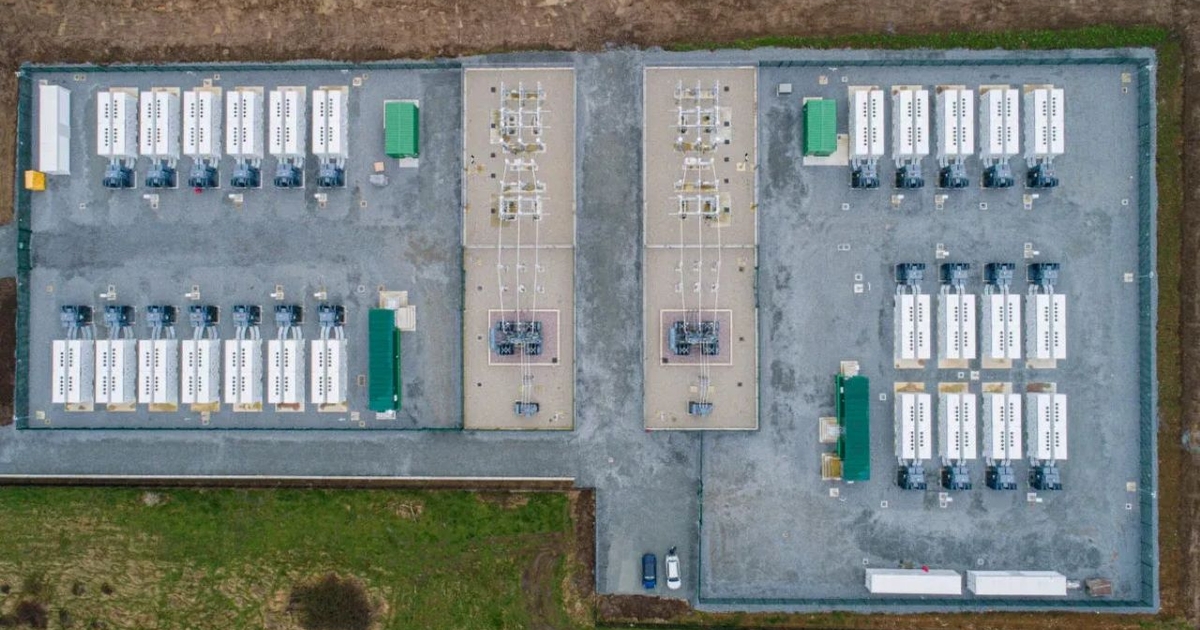
The portfolio submitted to the National Energy System Operator (NESO) for a Gate 2 connection offer includes projects that FRV hopes will receive pre-2030 dates. It includes three 400MW battery energy storage system (BESS) sites – Bicker Fen, Stocking Pelham and Stow Manor – and two with 200MW capacity each. It also includes FRV’s Malice Farm power plant, which will combine 50 MW of solar power generation with energy storage.
Two of the included BESS projects, the 50MW/200MWh Hollybush and 50MW/200MWh sites in Dunbar, each have an expected connection date in 2026 and 2027 respectively.
FRV has three operational BESSs in the UK, totaling 140 MW/280 MWh: Gaten Bay, Contego And Clay Tye.
The 1.8 GW portfolio is “protected” in the grid connection queue reform process, the status given to projects that are significantly advanced in the development process, according to FRV Powertrek managing director Ravinder Shan. This is measured on the basis of milestones such as obtaining a building permit before 2024 or having already concluded capacity market agreements.
According to Tom Guilfoyle, managing director of FRV UK, the interconnection reform represents an “unprecedented opportunity to bring fully permitted, low-carbon infrastructure online faster”.
While reforms to the methodology by which NESO manages the connection queue have been widely encouraged, the way the process now works has not been well received by many in the industry.
As outlined in an article by Solar Media Market Research analyst Josh Cornes: Transmission-scale solar developers risk losing huge investments as a result of the new process. For BESS developers, who are operating with more leeway on what is likely to be needed to achieve the government’s Clean Power 2030 targets, competition continues to increase.
Total number of grid-scale BESS projects In October, a construction permit was granted for 1,358 MW of power and 3,700 MWh of capacity only this year. Solar Media’s market research estimates the approved capacity that could join the above ever-increasing figure at more than ten times greater: 77.9 GW/162.5 GWh, far more than what is needed in Britain.
