

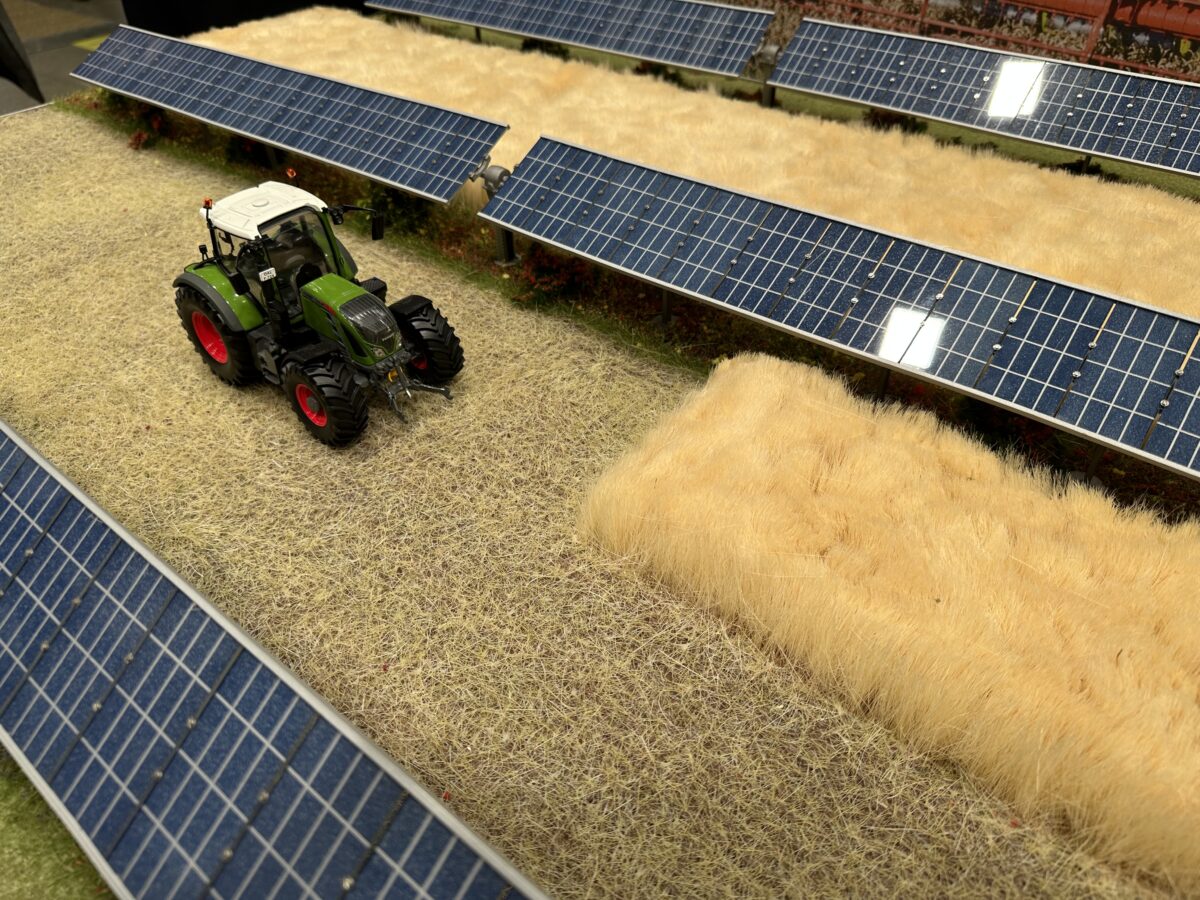
Solar leases provide stable, predictable income that financially secures family farms and increases rural tax revenues with minimal impact on the land, according to a report from the SEMA Coalition.
Solar energy projects provide American farms and rural communities with financial stability and a new source of income a report from the Solar Energy Manufacturers for America (SEMA).
Modern agriculture is characterized by high capital investments and volatile costs for raw materials such as fertilizer and fuel. Solar energy development provides a stable, long-term economic counterbalance to these pressures and helps secure the continuation of family-owned agricultural land, SEMA said.
Lease payments generated by solar installations can provide predictable long-term income, a reliable financial element that is unusual in the agricultural business model. This consistent income offsets rising property taxes, equipment costs, and loan payments.
The stability will help prevent farm sales caused by financial strains, SEMA said. Data from the Purdue University – CME Group Ag Economy Barometer confirms that in early 2024, more than 50% of farmers discussing solar leases were offered annual payments of $1,000 per acre or more. This payment rate often exceeds the net return that can be achieved with traditional crop production on the same acreage, according to SEMA.
Solar energy development also provides financial benefits to local governments by expanding the tax base. Each installation generates new, stable tax revenues that fund public services, the report said. This new revenue stream supports schools, fire departments and critical infrastructure. Counties that previously relied on seasonal agricultural revenues will have a reliable, multi-year funding source, enabling investments in community services such as road repairs and broadband expansion.
Although public concerns have been raised about converting agricultural land for solar energy development, the total land area used for solar energy development represents a small percentage of working agricultural land, according to SEMA. The American Farm Bureau Federation reported that the total land used for solar energy is approximately 1.25 million acres, which represents just 0.14% of the nation’s 879 million acres of working farmland. This footprint is small compared to the total agricultural land lost nationwide to other forms of development, such as the proliferation of homes and businesses. Since 2017, the US has lost more than 20 million hectares of agricultural land to this non-solar use.
Additionally, projects such as the Snipesville Solar Ranch in Georgia demonstrate the value of agrivoltaic energy, bringing together agricultural practices and solar energy production. At the Snipesville Solar Ranch, solar developer Silicon Ranch integrates managed sheep grazing as part of its Regenerative Energy program, maintaining healthy soil and vegetation and reducing vegetation maintenance costs.
This synergy between solar energy deployment and agriculture provides farmers with a viable tool for managing risks, strengthening agricultural operations and ensuring the economic resilience of rural communities, the report said.
“The long-term outlook for solar energy in agricultural regions is one of balance and resilience,” said the report’s author, Dylan Kezele, policy manager of SEMA Coalition. “As farmers look to diversify their incomes and manage the pressures of weather, drought and volatile markets, solar offers an adaptable tool that helps keep land in family hands rather than sold off for development. “It’s about putting it to work in new ways that strengthen rural communities, create good-paying American jobs, and build a more resilient and affordable energy and agriculture future.”
This content is copyrighted and may not be reused. If you would like to collaborate with us and reuse some of our content, please contact: editors@pv-magazine.com.
