

Renewable energy research firm Pexapark says Europe’s independent power producers (IPPs) are evolving into customer-centric platforms with a focus on adding battery energy storage systems (BESS) to their portfolios and more structuring and pricing capabilities to prepare for the next wave of deals.
Swiss renewable energy research firm Pexapark has released a white paper documenting the changing role of independent power producers (IPPs).
Titled “The next generation IPP playbook”, the publication features insights from interviews with senior leaders and executives at eight of Europe’s leading IPPs: Eurowind Energy, Mirova, Nadara, Nuveen Infrastructure, OX2, Sonnedix, Taaleri Energia and Zelestra.
The white paper says a recurring theme quickly emerged from interviews with IPPs moving towards ‘customer-centric platforms’ with the aim of shaping, shifting and amplifying sustainable production, rather than just generating it.
Each of the IPPs mentioned said they are working on multi-GW size, multi-technology, multi-market portfolios. Pexapark says that from an asset investment perspective, this translates into a focus on adding battery energy storage systems (BESS) to the portfolio, enabling greater flexibility and capturing value beyond generation.
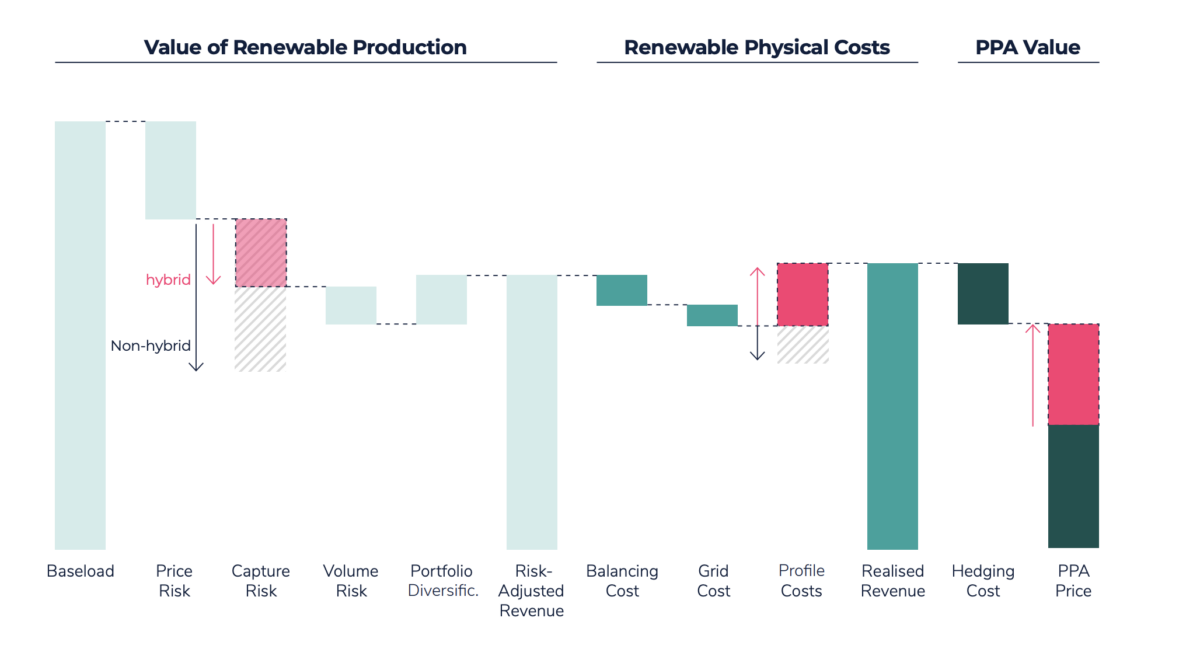
Interviewees said they are adding more structuring and pricing capabilities to prepare for the next wave of deals, which are expected to focus on BESS and co-located projects. Pexapark says that as deals become more structured due to increased value in the middle of the revenue stack, more emphasis is expected on flexibility purchase agreements (FPA), hybrid power purchase agreements (PPAs) and shorter and/or more complex PPAs, including agreements with negative price clauses.
The white paper adds that many of those interviewed said that at the heart of the evolving IPP is a ‘revenue brain’, which is described as a set of people, processes and systems dedicated solely to maximizing revenue and managing risk within a portfolio. This evolution has led some IPPs to establish dedicated portfolio management teams responsible for management, optimization and trading, with a focus on short-term activities. Pexapark adds that this move is particularly relevant within the growing role of BESS old IPPs were “little operational”, the new IPP “dispatched, bids and structures active.”
Pexapark adds that a further driver of the shift is the structural break between baseload prices and shelter prices in markets that rely heavily on renewable energy. The analysts explain that as IPPs now have to compete with standard energy markets, they need to develop products that can be valued and traded using conventional market instruments. “This requires a new commercial mindset, where structuring, short-term positioning and portfolio hedging are treated as essential disciplines, and not as add-ons,” the white paper highlights.
“In short, the next generation of IPPs are no longer passive asset owners,” says Pexapark. “They become active energy managers, equipped with the data, teams and structure needed to extract more value, manage volatility and deliver tailor-made solutions to customers.”
The white paper ends with a call to build the next generation of IPPs, with Pexapark saying that while transformation is already underway, momentum must continue before utilities, trading houses and BESS optimizers “capture the optimization margin, leaving IPPs as low-value generators squeezed by more aggressive intermediaries.”
The article recommends that IPPs operate as revenue managers and not just asset managers, build their commercial stack early, invest in structuring, pricing and portfolio management and operate with MWh, not MW, as their currency.
“At Pexapark we expect this shift to first manifest itself in a new wave of deals,” the analysts conclude. “While sales were once centered on PPAs, the focus is now on structured offtake arrangements and the integration of new asset classes such as BESS.”
This content is copyrighted and may not be reused. If you would like to collaborate with us and reuse some of our content, please contact: editors@pv-magazine.com.
