2026 Defense authorizations highlight the need for U.S.-made solar photovoltaics in satellites to compete with foreign adversaries, writes Rob Gardner, vice president, congressional and regulatory affairs, of the SEMA Coalition.
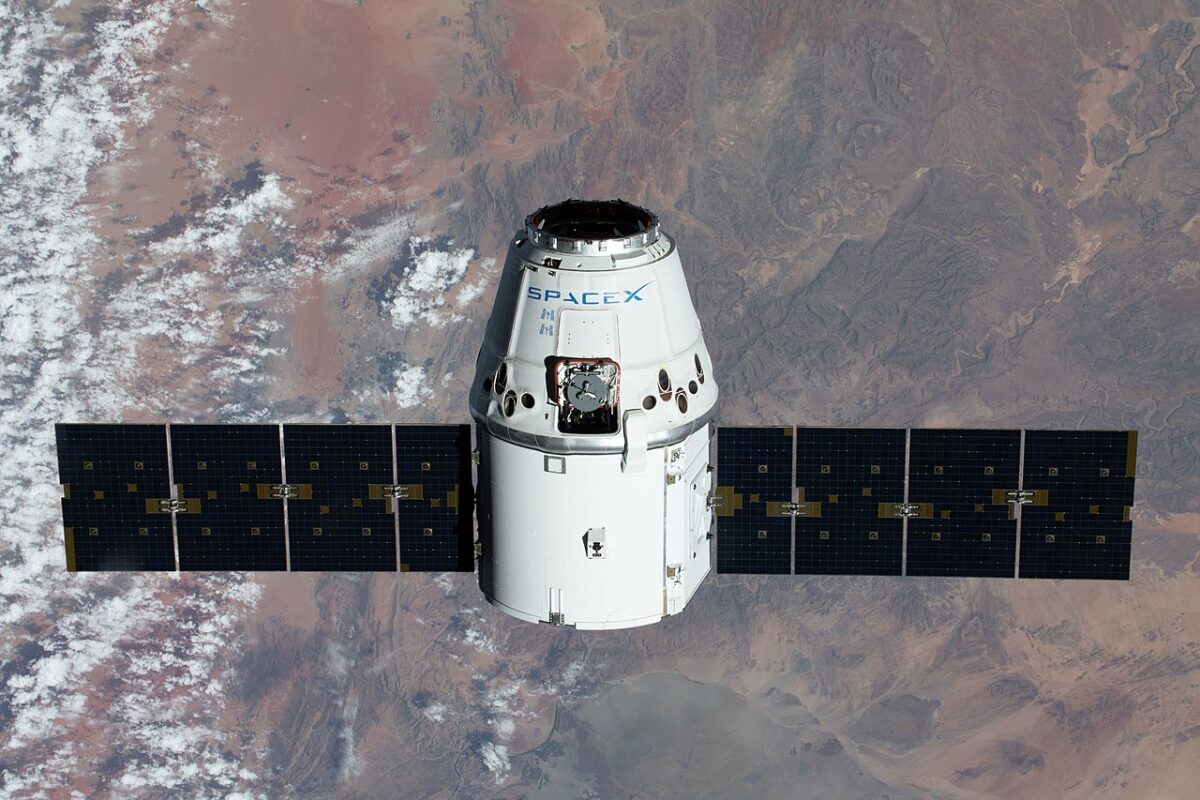
When you think of solar energy, I imagine your thoughts go straight to a field of panels or a roof. What if I told you that you’re not looking highly enough at the power that can be unleashed with American-made solar energy? War fighters, who depend on satellites and increasing surveillance dronesdepend on solar energy generation. Solar energy does almost universal on satellite communications systems that provide greater lethality to our warfighters. The US Navy just controlled a solar-powered drone that flew for 74 hours and was capable of conducting long-range surveillance missions.
In a demonstration of how critical solar energy is to military applications, the Department of War (DoW) is eliminating any dependence on China by sourcing entirely American-made solar energy components, and the National Defense Authorization Act (NDAA) of 2026 recognizes the importance of American-made next-generation solar energy in our defense systems. Early support for the next generation of US perovskite and tandem solar manufacturers is needed to ensure the US maintains its technological lead.
The FY26 NDAA and Solar for the Warfighter: National security leaders in Congress get it. The final FY26 NDAA recognized both the vulnerability of certain solar energy technologies, with China controlling crucial mineral supply chains, and the promise of American solar energy production:
“The committee also recognizes the urgency of accelerating domestic production of alternative space solar technology, as recent moves by the Chinese government to ban the export of strategic minerals, particularly gallium and germanium, threaten to cut off the world’s largest supplier of these minerals, dramatically increasing the already extremely high costs and extremely long lead times associated with older technology. By promoting robust domestic production capacity for space-stable silicon solar panels, we can reduce our dependence on foreign supply chains, reduce potential vulnerabilities, reduce costs and lead times, and generally enhance our nation’s ability to maintain our leadership in space exploration and defense. Therefore, the committee directs the Secretary of the Air Force to provide a briefing to the House Committee on Armed Services no later than February 1, 2026, on the status of the domestic solar energy manufacturing industrial base.”
SEC. 847. PROHIBITION OF THE PURCHASE OF PHOTOVOLTAIC MODULES OR CONVERTERS FROM FOREIGN ENTITIES OF CARE.
“None of the funds authorized or otherwise made available under this Act may be used to enter into a contract for the purchase of photovoltaic modules manufactured by a foreign entity of interest.”
National security expertsDoW and Congress understand that the U.S. must continue to bring our solar supply chain onshore to address any concerns about gallium and germanium (gallium arsenide (GaAs)) based solar cells. These cells are the established space solar technology, produced by a limited number of manufacturers selling into a market that is expected to grow sevenfold by 2035. This year the US relocated every part of the silicon-based solar supply chain and now has the capacity to build the next generation of defense-based solar power, completely free from Chinese supply chains.
But satellites are only part of the equation. The US Armythrough the Accelerate the Procurement and Fielding of Innovative Technologies (APFIT) program, and the US NavyThrough Research on Innovation in Small Businesses (SBIR) contractsare currently using solar-powered drones that can remain in the air for weeks, providing significant surveillance and communications benefits. Skydweller Aero Inc. (image above). to develop an airplane that can stay in the air for 90 days.
Next generation
More power means more lethality. That’s what the next generation of solar energy has to offer for our surveillance and communications equipment. With the silicon supply chain secured, the US can pursue next-generation solar technologies for the warfighter. To achieve the next generation of solar technology before China, meeting our defense energy needs is critical.
By generating energy from different wavelengths of light, tandem solar panels (tandems) combine silicon and perovskite or thin film layers to achieve higher efficiency. Recent tests show that tandems can deliver more than 50% more power over their lifetime and are lighter than conventional solar cells – crucial for satellites.
SEMA members are currently testing tandem technologies in space, but this technology has yet to be commercialized. That’s why the DoW recently collaborated with Swift Solar, a SEMA member, to completed a unique demonstration of its US-made perovskite tandem solar technology for the DoW’s Cyber Fortress exercise in Virginia Beach, VA, in August.
The US has an opportunity to leapfrog Chinese solar technology and maintain global satellite power generation. But targeted government investments and domestic purchasing requirements aimed at domestic, non-foreign producers are needed to counter Chinese market manipulation and take the plunge.
China
According to Think about energy again (above), the silicon-based tandem is expected to reach nearly 90% of the global solar cell market share by 2040, but current trends suggest China could secure the lead. The 2024 International technology roadmap for photovoltaics (ITRPV), published by the German engineering association VDMA, also projects this silicon-based tandem solar energy will quickly gain market share in just two years. This shift could happen quickly and have major implications for the power of satellites and drones.
While the US has a technological lead, the Chinese government is large investments to scale up this technology already. Recently, Chinese manufacturer UtmoLight started production at the world’s first gigawatt-scale perovskite factory in Shanghai. Pilot perovskite manufacturers already produce more than 2 gigawatts annually China.
Vertically integrated companies linked to the Chinese Communist Party produce double global solar demand and have signed an agreement OPEC-style agreement to monitor world prices. As demonstrated in SEMA testimonials and comment lettersThese government-backed Chinese companies have disrupted global solar energy markets with government support. Yet our American technology continues to lead and our business leaders are making progress. In a market that is being massively manipulated by the Chinese government, U.S. government action is needed to level the playing field for U.S. solar producers and give investors confidence in next-generation investments.
Made in the USA
While higher demands on domestic production are helpful, full control of the supply chain is needed. Requiring fully U.S.-manufactured solar applications in satellites, space systems, and drones purchased or used by the DoW and NASA would both create investment in U.S. next-generation solar technology and thwart China’s efforts to lead the way in this technology. These demands would build on those of President Trump Executive Order 14307 to secure U.S. supply chains for drone production.
Additional DoW procurement is needed to scale up this next-generation technology and establish a reliable U.S. supply chain. The DoWs Space technology roadmap includes short-term investments in advanced solar technology. Additional long-term DoW procurements would build on industry breakthroughs space based photovoltaic research and the Intelligence Advanced Research Projects Activity (IARPA) SOLSTICE program.
The technology and supply chains are there. It’s time to ensure satellites and drones have the next generation of solar technology to power our warfights.
Rob Gardner is vice president of congressional and regulatory affairs for the SEMA Coalition.
The views and opinions expressed in this article are those of the author and do not necessarily reflect those of the author pv magazine.
This content is copyrighted and may not be reused. If you would like to collaborate with us and reuse some of our content, please contact: editors@pv-magazine.com.
Popular content