

The Planning Inspectorate has accepted a Nationally Significant Infrastructure Project (NSIP) application for The Droves solar project in East Anglia.
If ultimately approved for development, the site would have approximately 500 MW of solar capacity and a battery energy storage system (BESS) of unknown size. The Planning Inspectorate is now carrying out the pre-investigation phase, which includes consultation and examination of the proposed project.
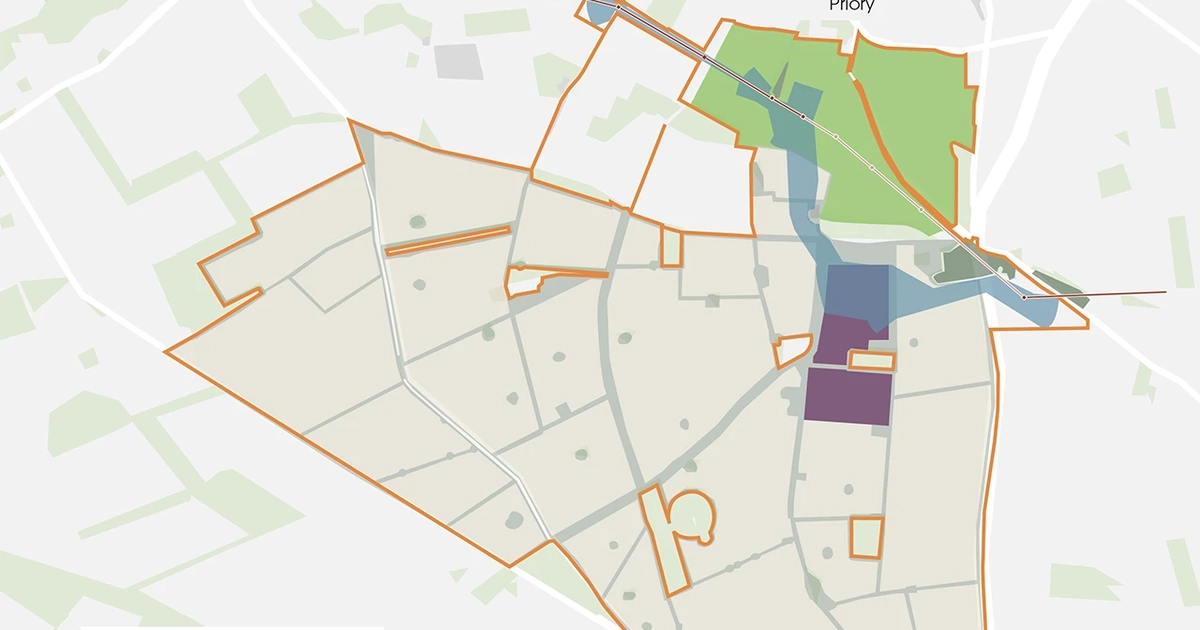
The Droves Solar Farm Limited is a subsidiary of large-scale solar and BESS developer Island Green Power (IGP). The site is proposed to cover approximately 840 hectares of land north of Swaffham and south of Castle Acre in West Norfolk. The developer said it expects to complete construction and connect to the grid in 2033, pending approvals.
The approval process for NSIP projects bypasses local government and goes straight to the National Planning Inspectorate. The Labor government has tried to speed up the approval process for NSIPs through its program Planning and Infrastructure Actwhich then Deputy Prime Minister Angela Rayner called a “seismic” change, and is currently discussing how Further streamline NSIP approvals.
Energy Minister Ed Miliband has approved 12 solar NSIPs since taking on the role last year. He committed himself to it “tackling the blockers” and expanding major energy developments in Britain during this parliament.
To qualify for NSIP status, sustainable energy projects must be at least 50MW in size.
IGP has already submitted applications for multiple NSIP solar-plus-storage projects, including the 500 MW East Pye project in Norfolk and the 500MW Green Hill place in Northampton. East Pye is yet to receive NSIP approval, according to the Planning Inspectorate website, while Green Hill is further along in the investigation process.
IGP was acquired by Australian investor Macquarrie Asset Management in May, when the company bought the remaining 50% of IGP that it did not already own. Macquarrie will oversee IGP’s transition from a pure play developer to an independent power producer (IPP) model.
