

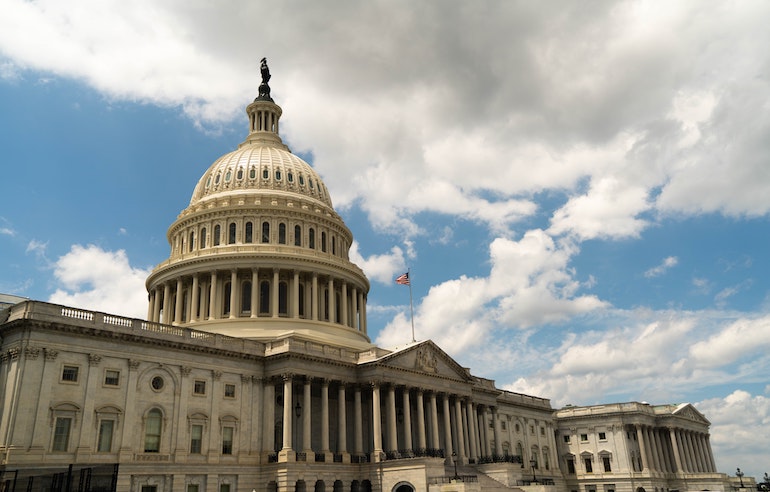
The House of Representatives has done that legislation passed that could revise permitting and environmental assessments for new energy projects. The Standardized Permitting and Expediting Economic Development (SPEED) Act was created to amend the National Environmental Policy Act of 1969, which established the practice of required environmental assessments for major projects. The legislation was approved in the House of Representatives and will go to the Senate for further consideration.
The SPEED Act proposes to increase the number of project-related actions that do not require environmental review, set limits on the duration of reviews, and set review deadlines. The house reportedly amended legislation to further prevent the development of offshore wind energy projects. House Democrats believe this is unfriendly to renewable energy projects.
“The bill was never a serious solution to real permitting issues. It creates no certainty – it creates confusion, risk and higher costs,” Manish Bapna, president and CEO of the Natural Resources Defense Council, said in a news release. “And belated changes behind closed doors have only made it worse, further punishing the cheapest and fastest-to-deploy clean energy technologies that are desperately needed as energy demand soars. It should be a nonstarter in the Senate.”
Renewable energy and environmental groups oppose the SPEED Act in its current state. The American Clean Power (ACP) Association on Wednesday withdrew its support for the SPEED Act.
“Our support for allowing reforms has always been based on one principle: fixing a broken system for all energy sources,” ACS CEO Jason Grumet said in a press statement. “The amendment passed last night violates that principle. Technology neutrality wasn’t just good policy, it was the political foundation that made reform feasible.”
“The SPEED Act falls short in ensuring a fair and predictable permitting process that allows developers to invest, build and compete,” Abigail Ross Hopper, president and CEO of the Solar Energy Industries Association (SEIA), said in a news release. “For months, SEIA and our member companies have worked relentlessly to advance reforms in Congress to help lower energy costs and build the infrastructure needed to win the AI race and defeat China. But without action to address this unequal treatment of solar energy, energy projects across the country will continue to stagnate.”
