

The parent company behind Boviet Solar wants to withdraw from the solar energy industry and is exploring sales options for Boviet’s Vietnamese and American entities.

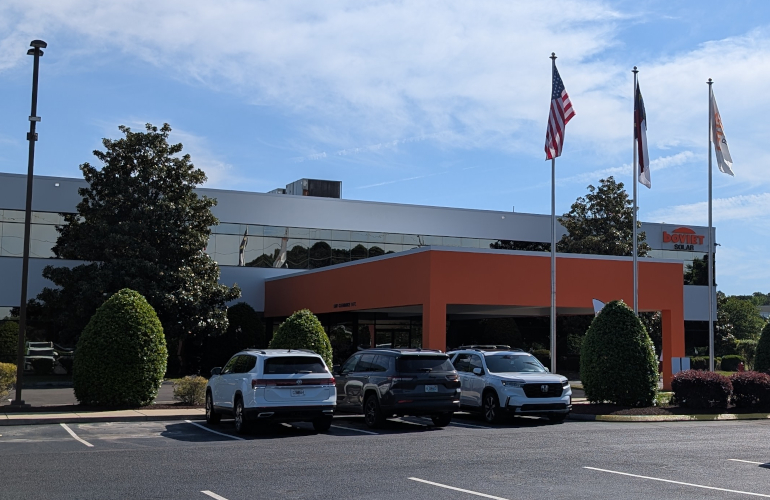
Boviet Solar North Carolina solar panel assembly plant. Credit: SPW
Ningbo Boway alloy materiala China-based technology company involved in the alloy, semiconductor and machinery industries, acquired Boviet Solar in 2016. Boviet originally started in Vietnam in 2013 and Boway Alloy has grown its position in the global solar panel manufacturing market. Boviet operates silicon solar cell and panel manufacturing sites in Vietnam and a 3 GW solar panel assembly plant in North Carolina. In addition to the panel factory in North Carolina, a factory for the production of solar cells is currently being built.
In files On the Shanghai Stock Exchange (SSE), Boway Alloy has outlined a rapid exit from the solar energy sector. The company largely cited U.S. Commerce Department tariffs on Vietnamese imports as making Boviet Solar’s business model unsustainable. Boway Alloy revealed a 90% year-on-year decline in net profit in its 2025 annual results.

The interior of the North Carolina cell factory in November 2025, as shared by Boviet Solar.
Boway Alloy has halted previously planned solar capacity expansions, which would mean Boviet’s under-construction solar cell plant in North Carolina is under a capital freeze. The outer shell of the factory is completed, and Boviet started with interior work in November 2025. The factory was expected to come online by the end of 2026. Boviet estimated that more than 900 employees would work at the North Carolina cell and panel manufacturing campus once it was fully operational.
Instead, Boway Alloy is shifting its investments to its own company special alloy materials. February filings with the SSE confirm that Boway Alloy’s future capital allocation will be squarely focused on high-performance alloy materials rather than “new energy” and solar.
Boviet Solar has released news in the past month reaffirm his commitment for the solar energy market and US manufacturing. About 95% of Boviet’s solar panels are supplied to the U.S. utility market, the company says.
“Our U.S. manufacturing operations reflect a purposeful, long-term commitment to the U.S. solar market,” said Songul Atacan, head of Global Brand and Marketing at Boviet Solar, in a press release. “We are investing in real capacity, real jobs and real infrastructure because we believe in the future of American solar production and in supporting our customers with reliable, domestic supply.”
As of this month, Boway Alloy said it is under negotiation to sell the Boviet business, with “three to four potential buyers quoting no less than the net asset value.” The company aims to complete the transfer before the end of the first quarter of 2026.
