

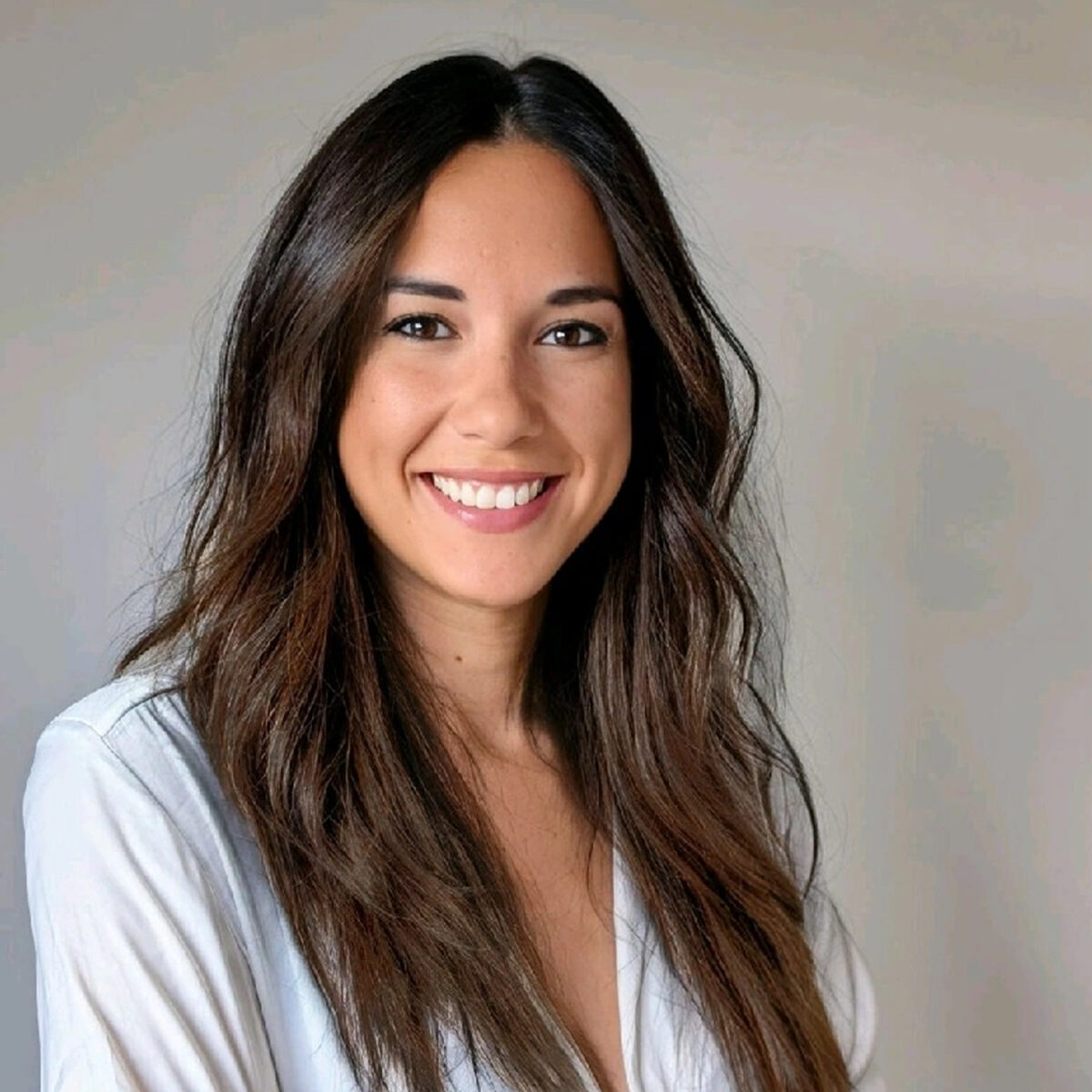
This week, Women in Solar+ Europe gives the voice to Yolanda Hoyos, Chief Technical Officer at the Spanish Blacksalt. She says inclusion, mentorship and authentic leadership unlock talent, dismantle biases and are critical to shaping the future of energy transition. “When organizations respect individual circumstances, commitment and growth follow naturally,” she says.
We are redesigning how the world uses energy. That’s why the solar, energy storage, EV charging and grid infrastructure sectors benefit so greatly from gender diversity and inclusivity. Building networks or storage systems is a social and logistical as well as a technical challenge. If everyone at the table comes from the same background, we will inevitably share the same blind spots. Often I am the only woman in the room, and in those moments I believe our contribution goes beyond technical expertise; it is a vital opportunity to provide different perspectives and fresh approaches that might not otherwise be considered.
In the rapidly evolving renewable sector, resilience is not about resisting change; it’s about adapting to it. Diversity, equality and inclusivity strengthen that resilience by dismantling groupthink. A diverse team is better equipped to anticipate regulatory, social or technical risks because it analyzes challenges from multiple angles. And if we are serious about attracting the enormous talent needed for the energy transition, we cannot afford to overlook 50% of the population. Inclusion is more than an ethical value; it is a competitive survival strategy. An industry that reflects the world it serves is inherently more successful and robust.
Looking back on my own career, the barriers I encountered weren’t huge walls, but everyday prejudices: the surprise of seeing a woman leading in a male-dominated field, or the unspoken expectation that I would have to explain my background more than others. Initially this caused some uncertainty. Over time I have learned that respect is not demanded; it is built by working with the team, showing commitment and adding value with humility. Crucially, I have learned that vulnerability is a strength. Admitting that I don’t have all the answers, but being there to find them has helped me connect with colleagues and overcome stereotypes naturally.
One of the most encouraging shifts in women’s representation that I have observed in the sector is the shift from token presence to real inclusion in decision-making. In the past, a woman in a leading role within sustainable energy was an exception. Today, women leaders are no longer a quota: they are a competitive advantage. Companies are moving beyond quotas and actively valuing collaborative and resilient leadership styles. At the same time, mentorship networks have become stronger and more visible. We are no longer isolated; we are connected. This collective momentum is dismantling old prejudices and building a more future-proof industry.
Prejudice and skepticism were also part of my journey. In the beginning, I tried to over-explain myself to convince others of my abilities. Over time, I realized that my work and consistently achieving goals spoke louder than words. I came to understand that skepticism often reflects the prejudices of others, not my potential. When you consistently get results, doubt gradually turns into respect. My compass has always been a quiet dedication to my work.
As a senior leader, I don’t believe that inclusion is something that is imposed from the top down. It is something we cherish together through daily actions. From my position, I try to keep my door open, not as a policy, but as a sincere invitation to listen and understand the circumstances of colleagues. Accessibility is important. I enjoy asking questions, inviting others to provide solutions and making sure no one feels invisible. My role is not to have all the answers, but to facilitate growth by recognizing that we are all different and that each person brings something essential to the team.
To retain and develop diverse talent, organizations must prioritize visibility, mentorship and true flexibility. Hiring is just the first step. People need role models, clear pathways and support systems that prepare them for growth. Work-life balance and wellbeing should be the norm, not exceptional benefits. When organizations respect individual circumstances, engagement and growth follow naturally.
I have also been fortunate to work with male colleagues who actively broke down barriers. I remember a boss who, during on-site meetings where others instinctively addressed only him, redirected the conversation: “She runs this area; she has the best solution.” That simple gesture was transformative. It established my authority and showed me that true leadership amplifies the voices of others.
To young women entering the renewable energy industry today, my advice is simple: don’t feel like you have to know everything or constantly prove yourself. The path is created by walking it, learning, making mistakes and growing. Seek out mentors, but don’t imitate them. Your unique perspective is your greatest value. Don’t be afraid to be the only woman in the room; see it as an opportunity to make a distinct mark. Trust yourself: your contribution is essential to continue to break through prejudices and shape the future of energy.
Yolanda Hoyos is a senior renewable energy professional with more than ten years of experience in large-scale solar and energy infrastructure projects in Europe. She is currently Chief Technical Officer at Blacksalt Asset Management, where she leads technical strategy for development, acquisitions and construction activities. Prior to this role, Yolanda has built up extensive experience leading utility-scale solar projects in Spain, Portugal and the United Kingdom. Her work included development, acquisitions and construction, with responsibility for project engineering, technical due diligence, Capex definition and manufacturing studies, as well as close coordination with EPCs, suppliers and customers. Earlier in her career, she managed photovoltaic projects from design to implementation and developed a strong foundation in international consultancy and energy advisory roles. Yolanda has a master’s degree in solar photovoltaics Universidad Politécnica de Madrid and an official master’s degree in renewable energies from Universidad CEU San Pablo. She is strongly committed to promoting the energy transition and actively advocates for greater representation of women in the sustainable energy sector.
Interested in participating Yolanda Hoyos and other female market leaders and experts at Women in Solar+ Europe? More information: www.wiseu.network
The views and opinions expressed in this article are those of the author and do not necessarily reflect those of the author pv magazine.
This content is copyrighted and may not be reused. If you would like to collaborate with us and reuse some of our content, please contact: editors@pv-magazine.com.
