

The Trump administration has reaffirmed existing tariffs on imported metals, but is reducing some tariffs on products with varying levels of metal content, taking effect today.
President Donald Trump imposed Section 232 tariffs on imported steel and aluminum in 2018, lasting longer than his first term. Last week the White House published new provisions for Trump’s metal tariffs.
The 50% levy on imported materials consisting mainly of steel, aluminum or copper remains in force. A trade tax of 25% applies to products with a “substantial” steel, aluminum or copper composition. Imported products made from U.S. domestic steel, aluminum or copper are subject to a reduced tariff of 10%. And imported products with a steel, aluminum or copper content of less than 15% are not subject to the tariffs.
In addition, electricity grids and industrial equipment composed of these metals could face a 15% tax until 2027.
In February 2025, Trump initially imposed a 25% tariff on imported metals, which he quickly doubled to 50% in June. Section 232 tariffs can be activated by a president if he deems it necessary for national security.
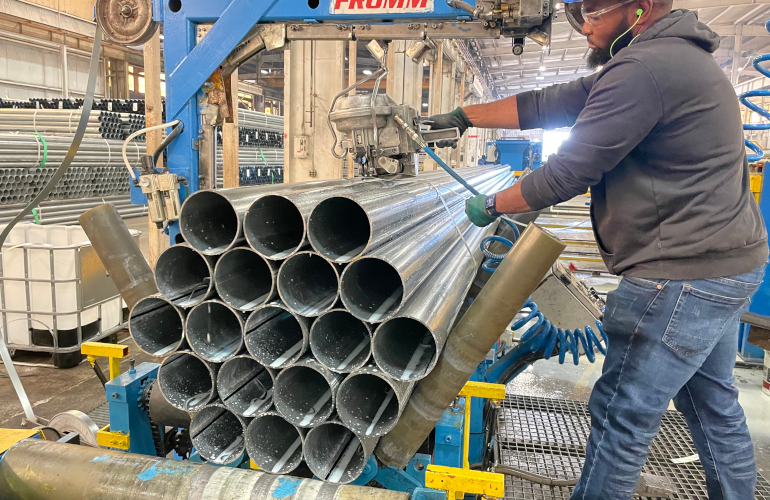
Metals are a prominent material in solar panels at market level. Residential solar panels and rails are typically composed of aluminum, as are the frames for solar panels. Ground-mounted racks, foundations and solar tracker structures are composed of steel, such as I-beams or roll-formed steel in tracker torsion tubes.
During Trump’s first presidency, solar rack manufacturers adjusted to imported metal prices, a market with costs that fluctuated from day to day but mostly trended upward. Since then, and with the implementation of the Inflation Reduction Act, solar and tracker manufacturers have increased domestic production, relying on U.S. metal suppliers.
