
Close Menu
  • News
  • Industry
  • Solar Panels
  • Commercial
  • Residential
  • Finance
  • Technology
  • Carbon Credit
  • More
    • Policy
    • Energy Storage
    • Utility
    • Cummunity
What's Hot

Lithuanian grid operators can now shut down solar power plants without cybersecurity measures

June 8, 2026

Dutch solar owners asked to switch off during peak periods to ease the distribution crisis

June 7, 2026

The hydrogen flow: Toyota demonstrates its racing prototype on liquid hydrogen

June 7, 2026
Facebook X (Twitter) Instagram
Solar Energy News
Monday, June 8
  • News
  • Industry
  • Solar Panels
  • Commercial
  • Residential
  • Finance
  • Technology
  • Carbon Credit
  • More
    • Policy
    • Energy Storage
    • Utility
    • Cummunity
Solar Energy News
Home - Policy - EU measures to limit financing for projects using inverters from high-risk suppliers – SPE
Policy

EU measures to limit financing for projects using inverters from high-risk suppliers – SPE

solarenergyBy solarenergyApril 24, 2026No Comments3 Mins Read
Facebook Twitter Pinterest LinkedIn Tumblr Email
Share
Facebook Twitter LinkedIn Pinterest Email

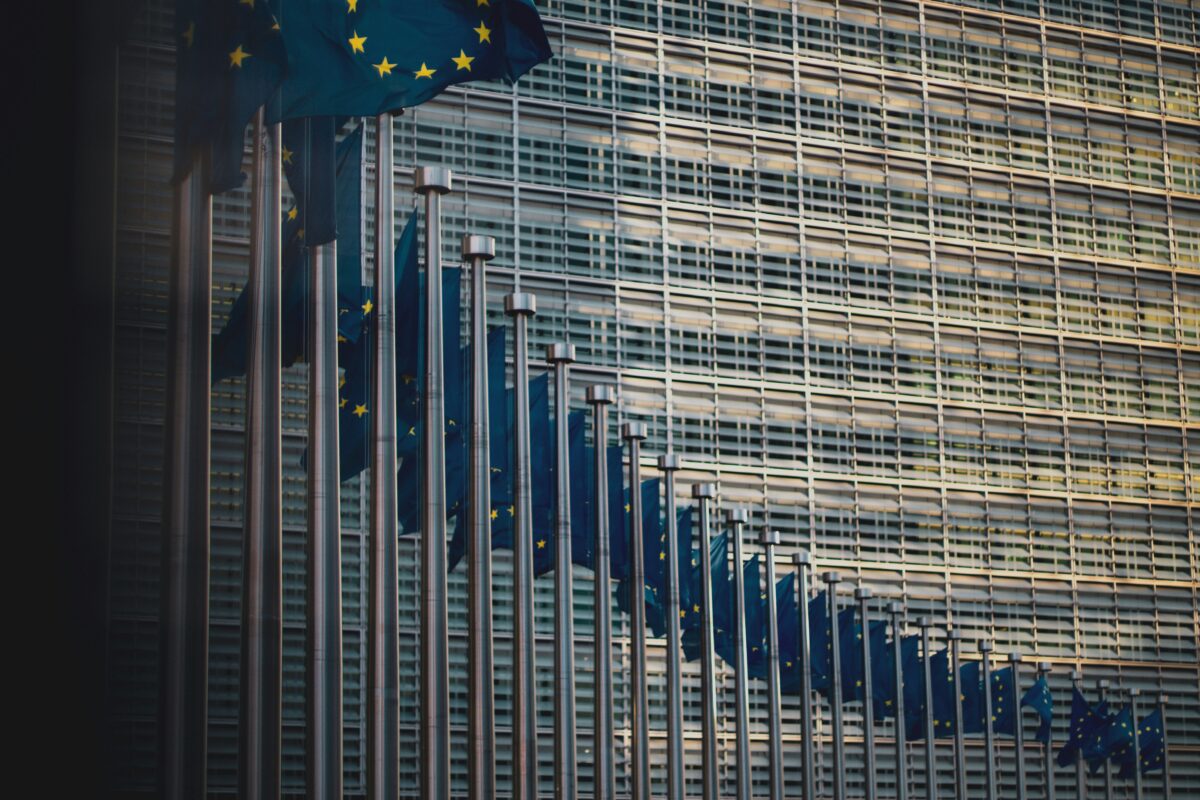
The EU is moving ahead with a plan to restrict financing of PV projects using inverters from high-risk suppliers, citing cybersecurity concerns and issuing new guidelines to phase them out. Some projects linked to the EU network will be subject to a transition period, while others will have to exclude such suppliers by 2027.

April 23, 2026
Emiliano Bellini

The EU has moved forward with a plan to stop financing PV projects built with inverters supplied by high-risk suppliers.

The move was initially reported by the German news channel The Mirrorstating that the measure will take effect immediately.

“We are already facing concrete risks that require immediate mitigation,” a European Commission spokesperson said pv magazine. “To this end, the Commission has developed guidelines on limiting the use of EU funds for projects involving inverters from high-risk suppliers.”

The directive requires all EU-funded projects to comply with the latest cybersecurity standards, with the aim of phasing out high-risk suppliers.

“For projects connected or planned to be connected to the EU grid (both inside and outside the EU), a transition period is provided for projects already in the pipeline, provided they are notified to the Commission by 1 May and submitted for decision before 1 November,” the spokesperson added. “All other projects must exclude high-risk suppliers.”

For projects outside the EU that are not connected or planned to be connected to the EU grid, inverters from high-risk suppliers must be phased out by April 15, 2027.

“Targeted deviations are provided, such as in cases of delays of more than a year or other overriding political or security considerations,” the spokesperson said, without providing further details.

See also  New steps for solar energy in financing multifamily affordable housing

In January, the European Commission started revising its Cybersecurity Act. Presenting the proposals in the European Parliament, the commission’s Executive Vice-President for Technical Sovereignty, Security and Democracy, Henna Virkkunen, said that reliance on a very limited number of solar inverter suppliers “could pose a significant security risk.”

Earlier in December, a safety doctrine published by the European Commission identified solar inverters as a high-risk dependency.

Last year, SolarPower Europe published a report on cybersecurity issues surrounding solar energy installations in the European Union.

Since then, the Dutch government has said it will remain vigilant against potential cybersecurity threats from solar inverters, while Lithuania has already banned Chinese remote access to management systems of solar, wind and storage facilities. In addition, the Czech Cyber ​​Security Agency said that Chinese solar inverters in small power plants pose a potential security threat.

This content is copyrighted and may not be reused. If you would like to collaborate with us and reuse some of our content, please contact: editors@pv-magazine.com.

Popular content

Source link

financing highrisk Inverters limit measures projects SPE suppliers
Share. Facebook Twitter Pinterest LinkedIn Tumblr Email
solarenergy
  • Website

Related Posts

Lithuanian grid operators can now shut down solar power plants without cybersecurity measures

June 8, 2026

Dutch solar owners asked to switch off during peak periods to ease the distribution crisis

June 7, 2026

The hydrogen flow: Toyota demonstrates its racing prototype on liquid hydrogen

June 7, 2026
Leave A Reply Cancel Reply

Don't Miss
Solar Industry

China will impose stricter requirements on PV production

By solarenergyJuly 10, 20240

The new provisions aim to reduce overcapacity in the market while selecting the most efficient…

Romania allocates €150 million for rollout of standalone battery storage – SPE

January 21, 2025

Power Capital Scores Financial Backing from Omnes, Infranity

September 11, 2025

Researchers discover that sodium-ion batteries using hard carbon anodes can intrinsically charge faster – SPE

December 19, 2025
Stay In Touch
  • Facebook
  • Twitter
  • Pinterest
  • Instagram
  • YouTube
  • Vimeo
Our Picks

Lithuanian grid operators can now shut down solar power plants without cybersecurity measures

June 8, 2026

Dutch solar owners asked to switch off during peak periods to ease the distribution crisis

June 7, 2026

The hydrogen flow: Toyota demonstrates its racing prototype on liquid hydrogen

June 7, 2026

Era of electrification exposing Australia’s weakest link

June 6, 2026
Our Picks

Lithuanian grid operators can now shut down solar power plants without cybersecurity measures

June 8, 2026

Dutch solar owners asked to switch off during peak periods to ease the distribution crisis

June 7, 2026

The hydrogen flow: Toyota demonstrates its racing prototype on liquid hydrogen

June 7, 2026
About
About

Stay updated with the latest in solar energy. Discover innovations, trends, policies, and market insights driving the future of sustainable power worldwide.

Subscribe to Updates

Get the latest creative news and updates about Solar industry directly in your inbox!

Facebook X (Twitter) Instagram Pinterest
  • Contact
  • Privacy Policy
  • Terms & Conditions
© 2026 Tsolarenergynews.co - All rights reserved.

Type above and press Enter to search. Press Esc to cancel.