

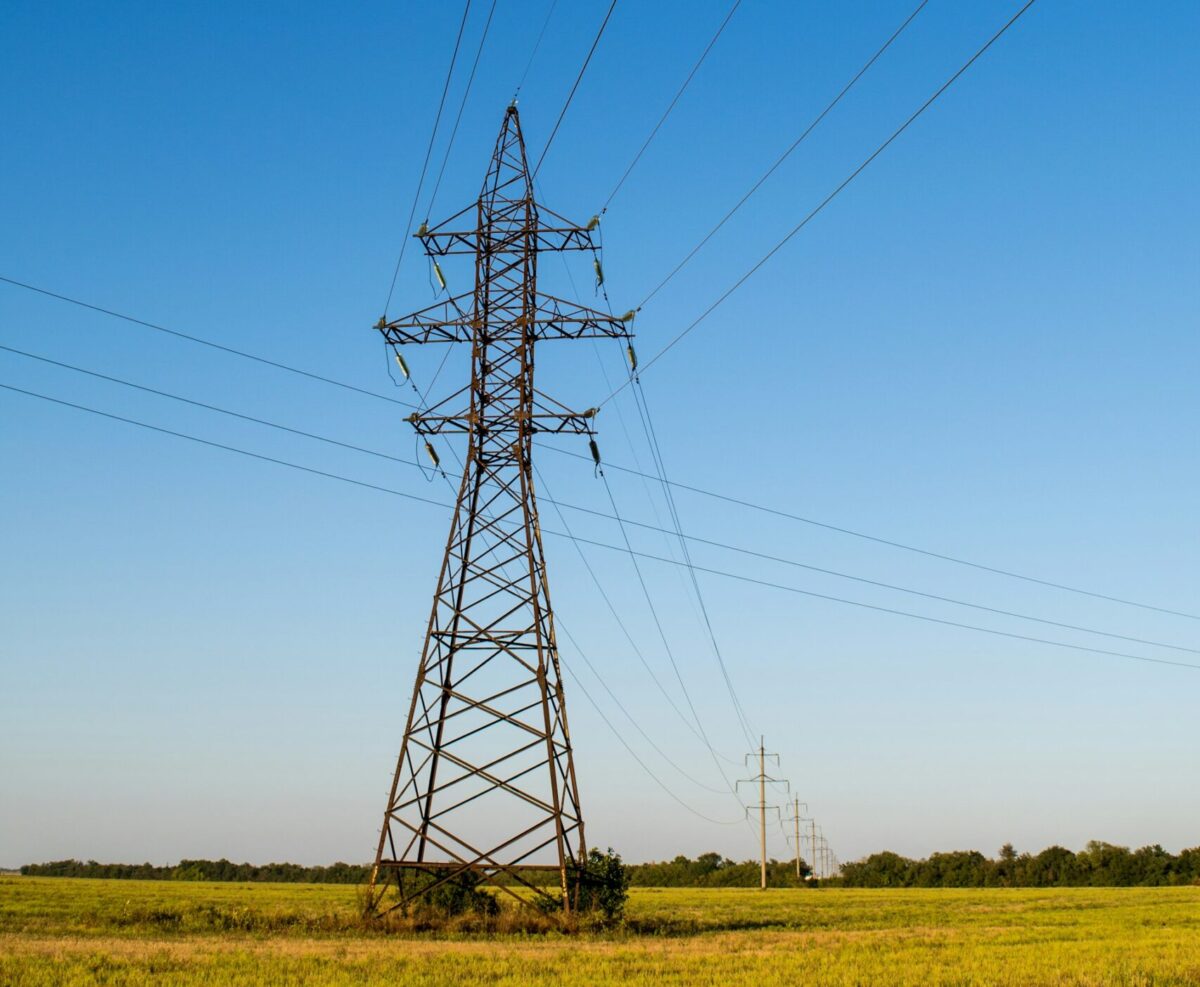
Transpower’s latest assessment of the balance between electricity supply and demand in New Zealand suggests an energy gap could emerge by the early 2030s even if all committed and likely investments are delivered without delay.
New ZealandState grid operator Transpower has said the supply of new generation and battery storage systems must continue into the 2030s to keep ahead of growing electricity demand.
The company Draft security of supply assessment (SOSA) 2026, published earlier this week for consultation with the electricity sector, provides a ten-year overview of the balance between supply and demand in New Zealand’s electricity system.
Short-term findings over the period 2026-2028 show that New Zealand, with its electricity mix dominated by hydro and geothermal energy, has an efficient national energy level to get through dry winters, but adds that the finding is “fragile” if new generation projects are postponed, demand grows faster, gas supply is lower, or solar and wind energy production is weaker than assumed.
Supply sources are likely to be able to meet the country’s winter energy needs in the South Island, the short-term findings added, while also indicating there is sufficient supply-side capacity to meet the forecast winter peak demand in the North Island.
Concerns about security of supply are beginning to emerge in the interim findings, covering the period 2029-2031, which state that an energy gap will emerge even if all committed and likely investments are realized without delay.
Transpower Chief Executive James Kilty said this finding means the sector must “increase the pace of new investment coming online over the medium term.” “[This includes] by committing to new projects earlier, to support increased demand growth and reduce our exposure to risks such as lower gas supplies or legacy plant failures,” he said.
Longer term findings show that if the supply pipeline is delivered, margins will remain above relevant standards by the end of the assessment period in 2035. “While the forward supply pipeline, especially over the longer term, indicates healthy margin potential, there is a risk if some of these future generation projects are not built or are delayed,” the report said.
It also adds that solar power generation projects make up a large part of the future supply pipeline in terms of installed capacity, and warns that there is a risk of too much solar power generation during the day, spot prices may collapse, resulting in lower revenues for future solar projects and affecting their viability.
Kilty added that he identified emerging risks after last year’s assessment As for electricity supply this winter, due in large part to the faster-than-expected decline in natural gas availability in recent years, the industry has “taken a meaningful step toward mitigating these risks as new generation and battery storage systems come online and efforts to secure additional gas supply.”
Transpower is asking for feedback on its new draft SOSA, ahead of publishing a final version on June 30.
New Zealand added 258 MW of solar power last year, according to figures published by the International Renewable Energy Agency (IRENA). The country’s cumulative solar capacity has increased from 578 MW at the end of 2024 to 836 MW at the end of 2025.
Last month, the country’s electricity authority introduced one Standard export limit of 10 kW for residential solar and battery systems to standardize access to the grid and support higher penetration of distributed energy.
This content is copyrighted and may not be reused. If you would like to collaborate with us and reuse some of our content, please contact: editors@pv-magazine.com.
