

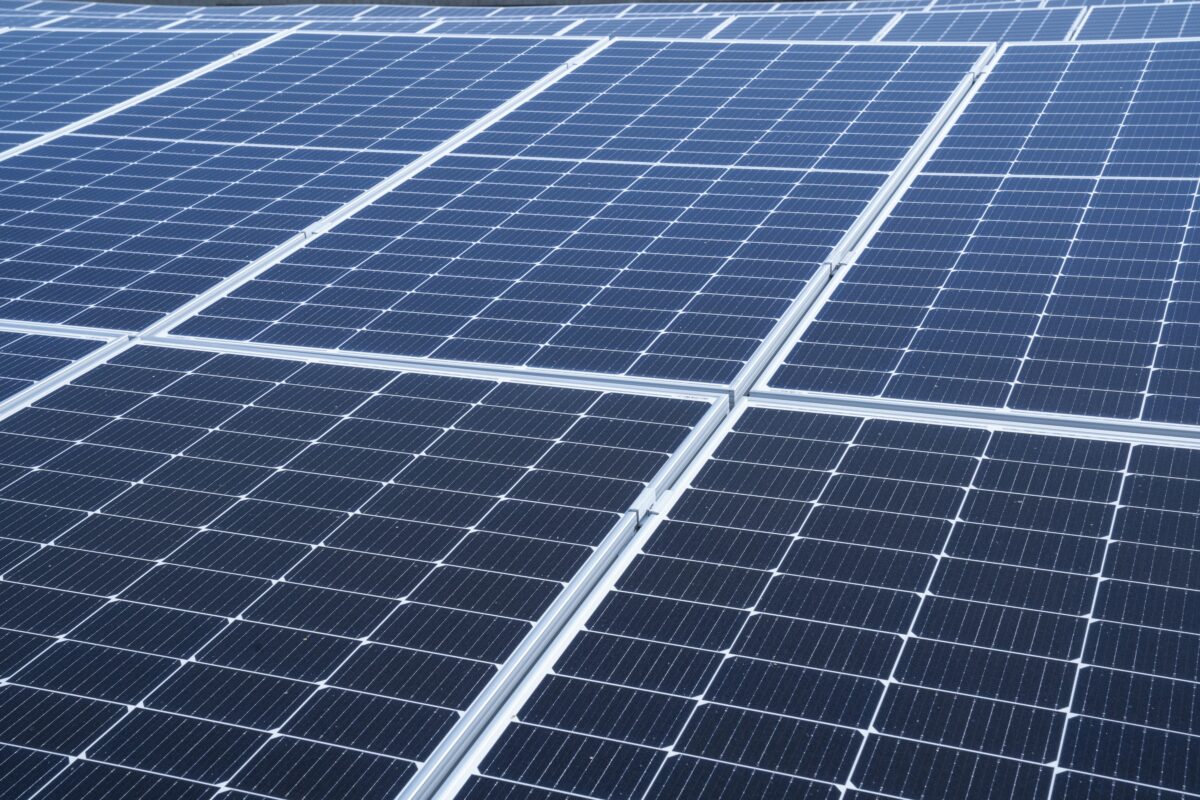
The latest report from the International Energy Agency’s (IEA) Photovoltaic Power Systems Program (PVPS) finds measurable progress in PV module recycling performance compared to previous studies, including higher material recovery rates, improved process yields and higher output purity.
Recycling PV modules is making “meaningful progress” in both commercial and pilot-scale technologies, according to a new report from the IEA-PVPS.
The final task 12 report presents new and updated Life Cycle Inventory (LCI) data. Sources include two US-based commercial crystalline silicon (c-Si) recyclers, Solar cycle and SPR, Italian pilot-scale c-Si module recycler 9-Techthe EU-funded Photorama project and updated global LCI data on cadmium telluride (CdTe) modules from US-based specialist in thin-film solar panels First solar energy.
The report says that, compared to previous studies of task 12The research shows that measurable progress has been made in the recycling performance of PV modules, with higher material recovery rates, improved process yields and higher output purity.
It says recovery rates for high-performance materials have “significantly improved” compared to a 2024 study, when the purely mechanical benchmark recycling technology recovered no silicon or silver. “In the current study, SPR reports the recovery of 98 weight percent (wt%) of the input silicon using a purely mechanical commercial scale process, while 9-Tech achieves 95 wt%. % silicon recovery at pilot scale system that uses mechanical, thermal and chemical recycling processes,” the report explains.
IEA-PVPS also emphasizes the recovery of non-ferrous metals, including silver, aluminum and copper, which the report says represents “a new opportunity for large-scale mechanical processes.” “Solarcycle Reports recovery of almost 92 wt. % for silver and about 95 wt% for copper, while SPR reports 99% copper recovery,” the report continues. “In its pilot scale system, 9-Tech achieves a recovery rate of 95% by weight copper, 90 wt. % for silver and 90 wt. % for aluminum. First Solar reports a recovery of over 90 wt. % for the semiconductor material and more than 90 wt. % metals outside the semiconductor mmaterials.”
The report then notes developments in the purity of the output, further increasing the value of materials recovery. “In the current study, Photorama achieves a purity of 5N for silicon and a purity of more than 2N for silver,” the IEA-PVPS results add. “SPR reports a purity of 99% for recovered copper and other trace metals through mechanical processing, while 9-Tech achieves a purity of up to 95% for copper and silver in recovered metal powders.”
Glass recovery has progressed to 2024 levels, the IEA-PVPS report continues, explaining that advances in mechanical, thermal and other separation approaches, such as flash lamp separation and water jet cleaning, can achieve high glass yield and purity but may require more energy than purely mechanical processes.
The IEA-PVPS report outlines that applications for reuse of recovered materials are expanding. It says recovered silicon is used for battery anodes, sputtering targets and metallurgical applications, while non-ferrous metals are sent to metal recyclers, smelters and refineries, reducing dependence on new resources. The report also finds evidence that glass recovery is being reused in flat glass production.
Despite the overall progress, the report highlights that there are persistent gaps in reporting on material quality, harmonization of system boundaries and characterization of energy consumption. It also suggests that extra information on downstream uses and processing routes would help future efforts to quantify material recovery, energy recovery, and landfill disposal, improving the assessment of reuse routes in future updates.
“Continued collaboration between recyclers, researchers, policymakers and standard-setting bodies will be essential to improve data consistency, drive research and development priorities and support the development of circular, high-quality pathways for PV materials,” the IEA-PVPS report concludes. “A forthcoming Task 12 study will develop life cycle assessment-based analyzes to assess the life cycle implications of different PV recycling pathways.”
This content is copyrighted and may not be reused. If you would like to collaborate with us and reuse some of our content, please contact: editors@pv-magazine.com.
