

The Center for Solar Energy and Hydrogen Research Baden-Württemberg (ZSW) and the German Association of Energy and Water Industries (BDEW) have published a preliminary report on German gross electricity consumption for the first half of 2026.
The report shows that renewable energy sources accounted for 57.7% of gross electricity consumption in the first six months of the year, marking a new record. This figure is up from 55.2% in the first half of 2025 and slightly above the previous record of 57.4% in the first half of 2024.
Gross electricity consumption was 262.4 TWh, compared to 260.9 TWh in the same period of 2025. This figure is calculated by subtracting the import-export balance from gross electricity generation.
Renewables also accounted for 57.7% of gross electricity generation in the first half of 2026, up from 56.9% a year earlier, although lower than the 59.4% recorded in the first half of 2024.
Total gross electricity generation increased by 4% year-on-year to 263.5 TWh, compared to 253.4 TWh in the first half of 2025. Renewable electricity generation increased to 152.2 TWh from 144.1 TWh in the same period.
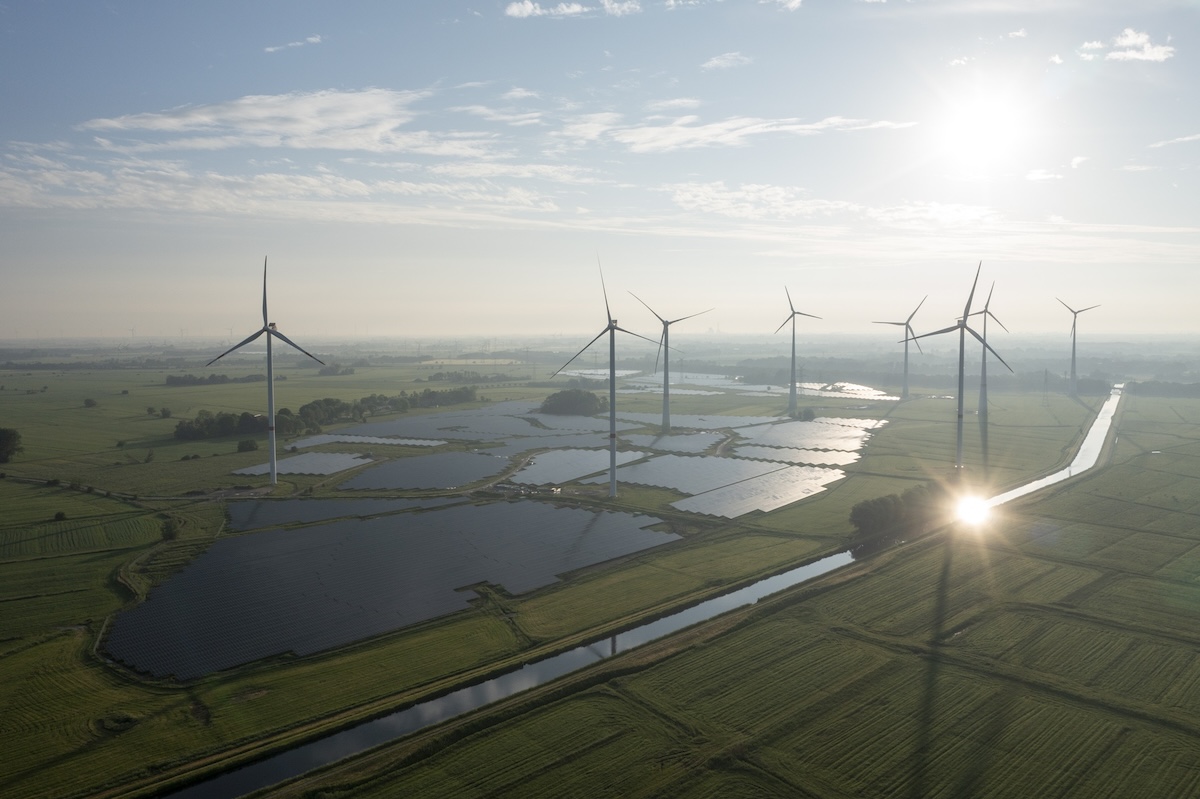
Onshore wind energy accounted for 20.1% of electricity generation in the first half of 2026, followed by solar energy with 19.9%, biomass with 8.3%, offshore wind energy with 5.7% and hydropower with 2.7%.
Compared to the wind-poor first half of 2025, offshore wind energy has increased by 28.3% and onshore wind energy by 7%. Solar energy generation increased 3.7% year over year. Hydropower production fell by 7.7% due to less rainfall, while biomass production increased by 0.6%.
According to ZSW and BDEW, growth in wind and solar power generation reflects both favorable weather conditions and continued capacity expansions.
Germany added 8.3 GW of solar PV capacity in the first half of 2026, compared to 7.8 GW in the same period of 2025. The addition of onshore wind power amounted to 2.5 GW, compared to 2.2 GW a year earlier. Offshore wind installations increased from 0.5 GW to 0.9 GW.
BDEW called on the German government to accelerate the deployment of renewable energy.
“The higher the share of sustainable energy increases, the more independent we become from the import of fossil fuels and the more resilient our economy becomes to energy price shocks,” says Frithjof Staiß, director of ZSW. “The energy crises of recent months and years have been caused by fossil fuels, not renewable energy sources.” He added that expanding renewable energy “is not only insurance against volatile energy prices, but also our sharpest weapon in the fight against climate change.”
Kerstin Andreae, chairman of the board of directors of BDEW, warned that the legislative framework needed to support the deployment of renewable energy is at risk. She called for faster progress on amendments to Germany’s Renewable Energy Sources Act (EEG) and the Offshore Wind Energy Act, noting that both measures must be adopted and approved by the European Union by the end of the year.
“The first six months are over and there aren’t even any bills yet,” Andreae said. “We expect the federal government to reach an agreement quickly so that we can move forward with the process, companies can invest and the expansion goals can be achieved.”
