

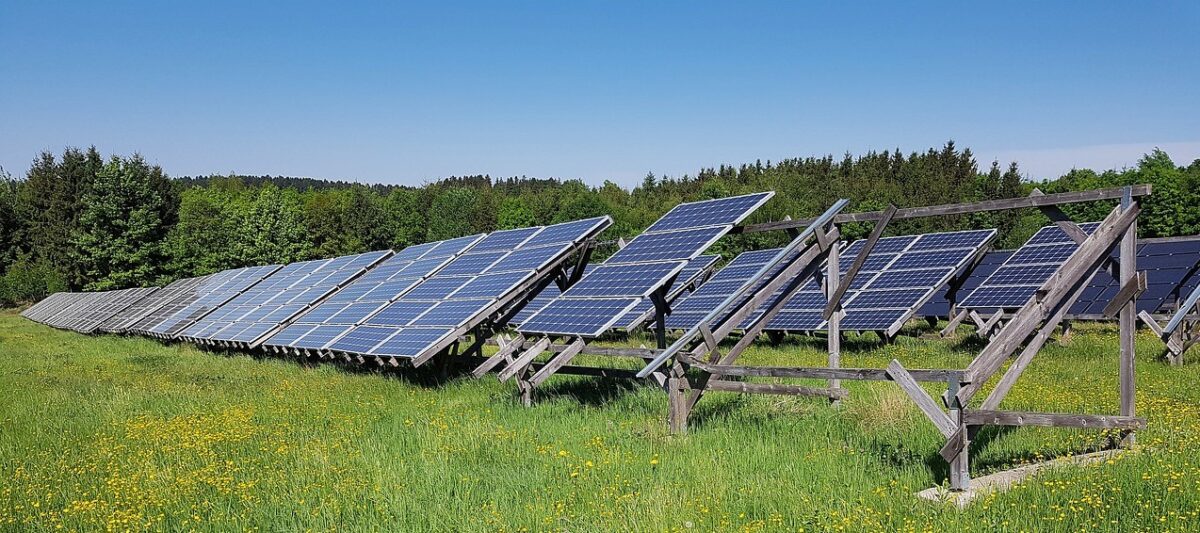
A research group in Spain has demonstrated the technical feasibility of using repaired solar panels with satisfactory results. However, it also warned that there is an urgent need to define a protocol for evaluating the characteristics of a “viable” repaired panel.
A group of researchers led by the Spanish Center for Energy, Environment and Technological Research (CIEMAT) assessed the performance of 23 partially repaired crystalline silicon solar modules in a 12-year-old PV installation in Spain and found that these panels can operate with minimal costs. to lose.
“This study uses a comprehensive standardized approach,” the scientists explained. “It integrates visual inspection, electrical testing, electroluminescence imaging and thermal imaging techniques to thoroughly evaluate the functional status of these modules and define the nature and extent of defects that persist after repair.”
The test was carried out according to the IEC 61215 standard 18 monocrystalline panels and 5 polycrystalline devices. The monocrystalline products came from two different manufacturers. All panels had a backplate-glass configuration and their weight ranged from 21 kg to 25 kg. The group also applied the MQT 03 and MQT 15 module quality testing standards.
Module errors were identified according to the following classification: snail paths; tanned EVA and broken cell; burned cell; delamination and corrosion due to EVA degradation; formation of air bubbles, cracking and burning in the backing layer. “This categorization outlines the progression of power loss from initial levels to a specific point in the operational life of a PV module,” the academics specified.
Through the visual inspections, the team found that the modules exhibited optical degradation due to delamination and discoloration of the encapsulant. Moreover, she has also established that all 23 PV modules evaluated passed the dry insulation test, while only one passed the wet leakage current test.
“All analyzed modules show exposed welds on the backplate, due to busbar repairs,” the researchers pointed out. “This condition is not a failure due to the degradation of the module itself, but rather a result of the subsequent partial repair, which destroyed the insulation, making electrical isolation impossible. To restore the insulation of these modules, it is necessary to proceed with the backsheet repair, sealing the exposed solder joints and retesting the modules for wet leakage current.”
The IV Curve measurements showed that the modules showed no abnormalities, although a power reduction was detected, while electroluminescence (EL) imaging showed that approximately 73% of the panels showed microcracks and darker areas at the edge of the solar cells.
When they used infrared thermography, the researchers found that ‘strong hotspots’ were detected in 4.35% of the panels analyzed, while ‘light hotspots’ were identified in 74% of the modules. “In this latter group, we found that 47% had high temperatures in the junction boxes, which were due to diode activation and further energy dissipation,” she added.
Overall, the analysis showed that the most common defect in the repaired modules is moisture-induced degradation (MID), followed by cracked cells and disconnected areas within cells.
“However, despite the presence of defects, approximately 87% of these modules show a power degradation of less than 20%,” the scientists said. “This important finding suggests that the repaired modules successfully meet the manufacturer’s warranty criteria, indicating their potential for reuse.”
However, the group also warned that there is an urgent need to define a protocol for evaluating the characteristics of a “viable” repaired panel. “In addition, it is necessary to increase awareness regarding international standards and Cradle-to-Cradle certification as this has the potential to drive market demand for second-hand modules with improved sustainability and circularity features,” the report concluded.
Their findings are available in the article “Improving the durability of photovoltaic modules: defect analysis of partially repaired modules of Spanish PV installations”, published in the Magazine for cleaner production.
Another research team at CIEMAT recently developed a series of techniques to repair ribbon rail breaks in PV panels without resorting to expensive electroluminescence imaging.
This content is copyrighted and may not be reused. If you would like to collaborate with us and reuse some of our content, please contact: editors@pv-magazine.com.
