

Global solar supply chains are facing renewed price pressure as weak post-holiday demand in China collides with high polysilicon inventories, driving down wafer costs and putting pressure on exporters ahead of policy changes.
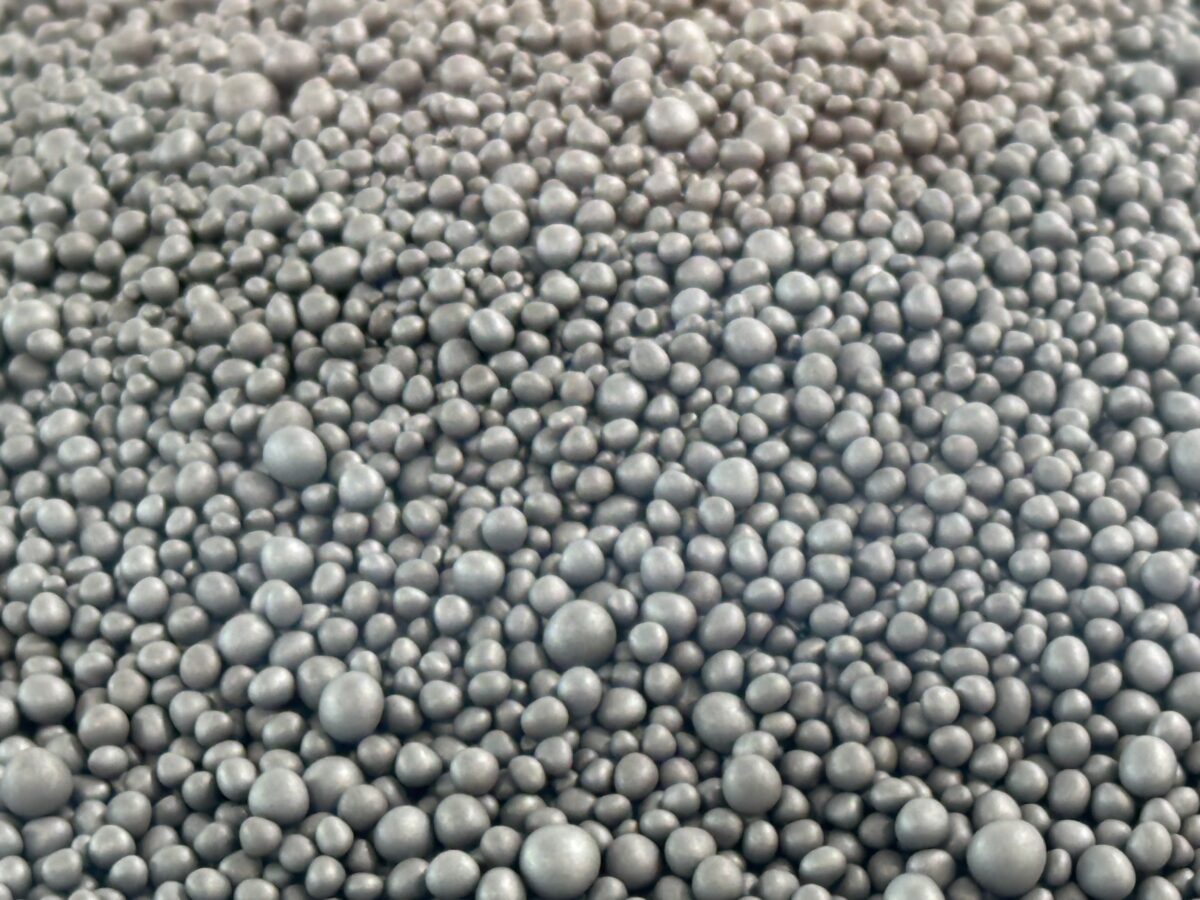
Polysilicon prices have fallen again in China as weak post-holiday demand was accompanied by high inventories and returning supply. The silicon industry branch of the China Nonferrous Metals Industry Association (CNMIA) reported a sharp weekly decline on March 4, with average n-type primary polysilicon down 6.58% weekly to CNY48,300 ($7,002) per metric ton (MT) and n-type granular silicon down 12.87% to CNY44,000/MT.
The study covered nine leading manufacturers responsible for 89.3% of China’s total production in the fourth quarter of 2025.
The decline has largely offset the price recovery of January and early February. By early January, the average n-type polysilicon had risen to CNY59,200/MT and the average silicon content had risen to CNY55,800/MT, as lower operating rates and stronger downstream purchasing temporarily tightened supply.
The sell-off is caused by weak demand and high inventories. Polysilicon stocks rose for seven consecutive months, reaching 480,000 tonnes at the end of February, while the post-holiday recovery at downstream cell and module makers fell short of expectations. February production fell 17.3% month-on-month to around 84,400 tonnes, although March production is expected to rise slightly to 87,000 tonnes to 89,000 tonnes, limiting supply support for prices.
Weakness in polysilicon is already having consequences for wafers. The association’s wafer arm said this week that there were declines across the board, with n-type G10L wafers falling to CNY 1.07/piece, G12R to CNY 1.17/piece and G12 to CNY 1.36/piece, down about 2.5% to 2.9% week on week. Downstream demand remained weak, with February wafer production falling to 45.5 GW and wafer inventories rising by around 5.2 GW.
Policy factors create additional pressure. The Chinese Ministry of Finance and Tax Administration announced on January 8 that VAT export rebates for PV products will be abolished from April 1, 2026. This is seen as increasing pressure on exporters and accelerating the elimination of weaker capacity.
The CNMIA’s silicon industry arm said that without unexpected policy support or stronger end demand, polysilicon prices are likely to remain under pressure, leaving China’s PV supply chain in a destocking phase.
This content is copyrighted and may not be reused. If you would like to collaborate with us and reuse some of our content, please contact: editors@pv-magazine.com.
