

Speaking to the Oireachtas Committee on Climate, Environment and Energy, Solar Ireland warned that the proposal’s definition of private cables could inadvertently delay Ireland’s rollout of household rooftop solar.
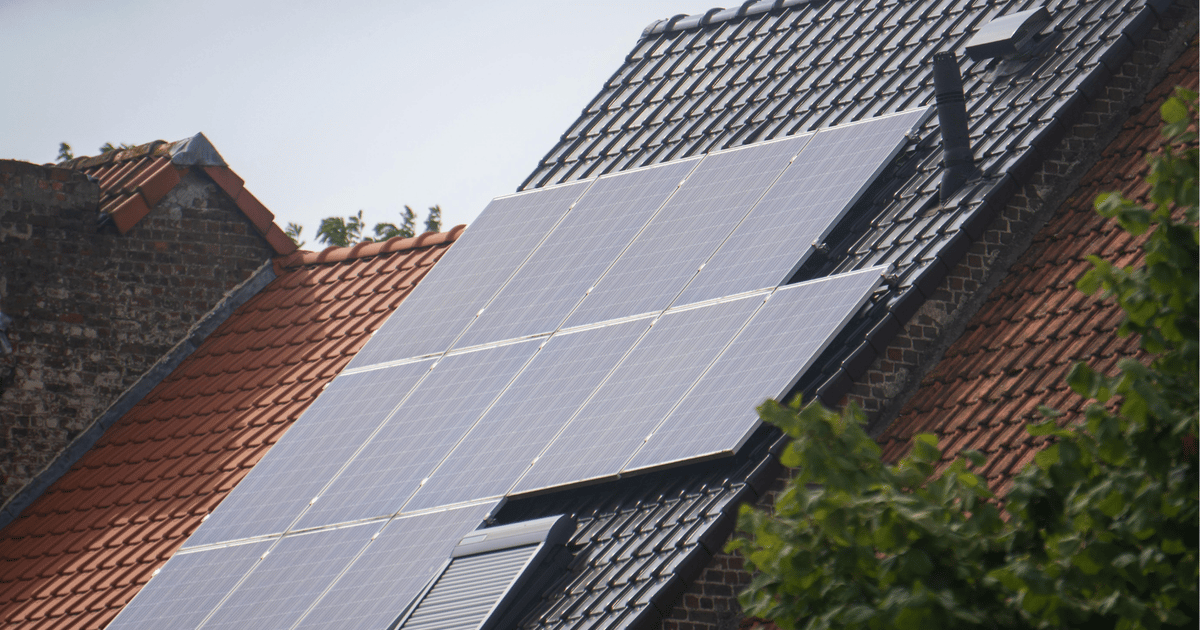
Solar energy deployment has expanded rapidly in Ireland under current grid and safety standards; it now contributes significantly to the country’s sustainable energy mix. Rooftop solar represents 50% of solar technology deployed in Ireland, alongside utility-scale projects.
Should the proposal go through, Solar Ireland is concerned that the definition of private cables could result in rooftop installations being subject to full licensing requirements, slowing the progress of Ireland’s renewable energy implementation.
“Rooftop solar now represents a central part of Ireland’s achievement of its 2030 renewable electricity targets,” Ronan Power, CEO of Solar Ireland, told the joint committee.
“Under the definition of private cables as currently drafted, rooftop projects could require a full permit. Given the scale of deployment, this would place significant additional demands on the regulator and risk thousands of households wanting to install solar every year.”
Power emphasized to the Joint Committee that private cables should be seen as an addition to the electricity system, rather than as a replacement for the national electricity grid:
“The national grid will remain the backbone of Ireland’s electricity system… however, private cables can enable renewable energy producers to supply directly to energy users and allow projects to proceed where grid connection timelines or costs would otherwise delay delivery.”
Power explained that the new regulatory framework should strengthen and build on existing technical and safety standards of the solar energy sector where necessary.
Given that the industry has “been designing and operating grid-connected infrastructure to ESB Networks technical standards for many years,” Power told the joint committee that “new regulations should build on those standards where appropriate, avoiding duplication while maintaining strong safety oversight.”
If implemented correctly, in a way that Power says should be “balanced and technically sound,” the framework could be a clear success.
Speaking to the Joint Committee, he concluded that the reform had the potential to support industrial decarbonisation also relieving pressure on the national electricity grid.
Solar Ireland represents the Irish solar industry across the supply chain, working with government, regulators and system operators to support responsible energy growth.
