

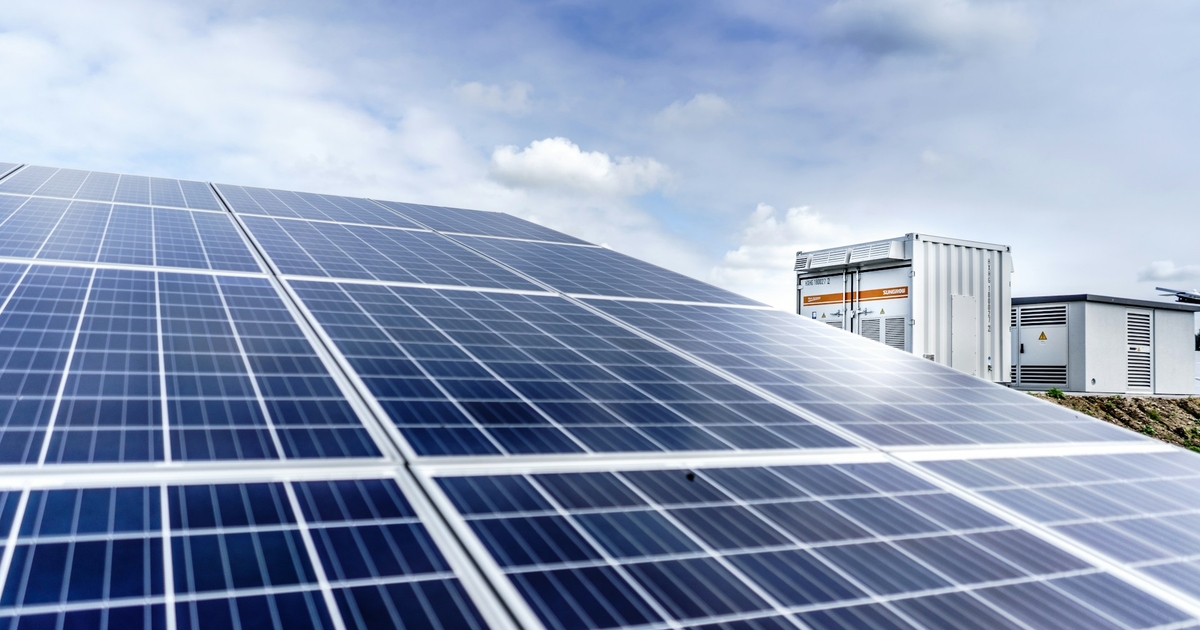
Overall, 76% of the British public are happy to see a solar power plant being built in their area, a figure that shows the technology continues to be accepted, despite a slight drop in support.
The latest Department for Energy Security and Net Zero (DESNZ) research into attitudes towards renewable energy shows that 43% of people are happy or very happy about a solar project being built in their area, while a further 32% “wouldn’t mind either way”.
About 14% of survey respondents said they would be somewhat or very dissatisfied with the construction of a local solar project, an increase from last spring.
Support for the total use of renewable energy – including solar energy, wind energy and biomass – remains high at 80%. While still a majority, support for renewables has declined significantly since fall 2021, when 87% of people supported, strongly supported, or did not mind renewable energy developments. In particular, DESNZ highlighted a decline in strong support for renewables, from 54% in autumn 2021 to 46% in summer 2025.
Strong support for renewables is highest in London (55%) and opposition is strongest in Wales, Yorkshire and the Humber.
A similar story applies to solar projects, which are most popular in Northern Ireland (49%) and the East and South East of England (48-47%), and least popular in Wales, Scotland, Yorkshire and the Humber (32-34%).
The research shows that people over 55 are more likely to oppose solar developments than younger people, with only 36% of over-55s happy with local solar developments, compared to between 46 and 49% of younger age groups.
Opposition rises, support falls
In the last DESNZ survey in spring 2025, the percentage of respondents who were very or somewhat dissatisfied with local solar energy developments increased from 9% to 14%. In the same survey, the number of people who were very or somewhat satisfied with local solar projects dropped from 53% to 47%.
In the latest survey, the number of people satisfied with local solar energy development fell further, to 43%, and the percentage of those indifferent to solar energy development grew from 29% to 32%.
Opposition political parties, led by the Conservatives and Reform UK, have highlighted this more publicity for the anti-net-zero policy. Conservative leader Kemi Badenoch said Net Zero by 2050 was “impossible” and has recently suggested her party could scrap legally binding emissions targets.
Reform UK – leading in some opinion polls since last month – has said it would scrap Net Zero and renewable energy subsidies if voted to power at the next election. Party chairman Richard Tice has been an outspoken critic of solar project developments in Lincolnshire.
The DESNZ survey provided no analysis or reasons for the answers given.
Benefits of renewable energy
The survey asked the group of respondents what benefits would make them more likely to support solar or wind energy developments.
Energy bill discounts for people living near new developments received 62% support, followed by funding for community projects “such as home insulation, community facilities and local nature projects” (59%) and local jobs and apprenticeships (58%).
Only 11% of respondents said none of the potential benefits of renewable energy projects would increase their support for the developments. Those over 55 were the most likely to say nothing would increase their support for renewables (between 15% and 16%), compared to 1% of people aged 16 to 24.
Those over 65 were the least motivated by lower energy bills (50%), compared to between 67% and 72% of 25-54 year olds. The potential for investment in renewable energy projects and increased employment were also more popular among younger demographics.
84% of respondents are aware of the government’s Clean Power 2030 policy, about the same as in spring 2025. Awareness was highest among over-65s, people who self-reported knowing “a lot or quite a bit” about Net Zero and people living in the West Midlands and Scotland.
Utility-scale solar is accelerating in Britain. Energy Minister Ed Miliband approved the country’s largest solar project, the 500 MW Tillbridhe plant in LincolnshireEarlier this month, Miliband signed the tenth Nationally Significant Infrastructure Project (NSIP) solar farm, and the 17e under the current Labor government.
