
Close Menu
  • News
  • Industry
  • Solar Panels
  • Commercial
  • Residential
  • Finance
  • Technology
  • Carbon Credit
  • More
    • Policy
    • Energy Storage
    • Utility
    • Cummunity
What's Hot

Vistra adds Enphase batteries to the Texas VPP program

March 6, 2026

ACME Solar signs 450 MW PPA in India, commissions new 38 MW/82 MWh BESS – SPE

March 6, 2026

Freight costs are rising due to military attacks in the Middle East

March 6, 2026
Facebook X (Twitter) Instagram
Solar Energy News
Friday, March 6
  • News
  • Industry
  • Solar Panels
  • Commercial
  • Residential
  • Finance
  • Technology
  • Carbon Credit
  • More
    • Policy
    • Energy Storage
    • Utility
    • Cummunity
Solar Energy News
Home - Solar Industry - Custom-made modules increase the social acceptance of photovoltaic solar energy integrated into buildings
Solar Industry

Custom-made modules increase the social acceptance of photovoltaic solar energy integrated into buildings

solarenergyBy solarenergyNovember 14, 2024No Comments3 Mins Read
Facebook Twitter Pinterest LinkedIn Tumblr Email
Share
Facebook Twitter LinkedIn Pinterest Email

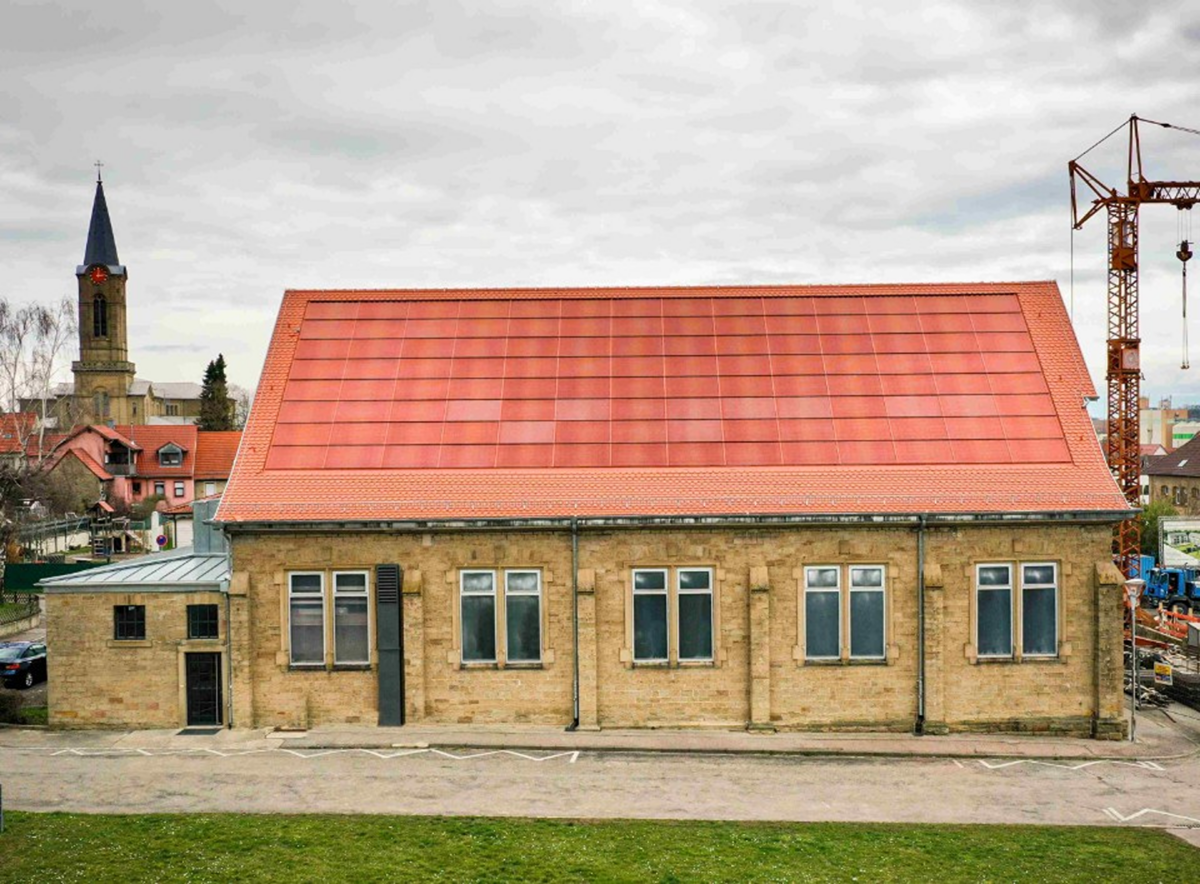
A study by the University of Freiburg and the Fraunhofer Institute for Solar Energy Systems shows that deploying color-matched solar panels on the roof or facade of a building further increases the social acceptance of building-integrated photovoltaic solar energy (BIPV).

November 14, 2024
Patrick Jowett

Matching the color of solar panels to the roof or facade of the building on which they are installed could further increase the social acceptance of building-integrated solar photovoltaics (BIPV), according to new research.

The joint research by the Institute of Psychology of the University of Freiburg and the Fraunhofer Institute for Solar Energy Systems includes two studies investigating which solar module designs are accepted in different buildings.

The findings are presented in the research paper “(Not) in my city: an exploratory study into the social acceptance of photovoltaic installations on buildings”, available in the December issue of Technology in society.

The first study involved participants in assessing six different prototypes of PV crystalline silicon molecules, varying in color and surface texture, on different buildings. It turned out that different module designs were preferred depending on the building.

“The modules were primarily matched to buildings due to color integration and were rarely selected to form an artistic addition to the building,” the research paper notes. “From these findings it can be deduced that PV modules should be integrated into existing buildings as unobtrusively as possible, fitting into the established aesthetic concept of the building, in order to be socially accepted.”

The second study, in which participants indicated their acceptance of a solar installation in 24 buildings through an online survey, showed that the acceptance of integrated solar photovoltaics in urban areas is generally very high, but increases further when the module is aesthetically integrated or invisible.

See also  Holosolis signs Topcon Patent Licensing Agreement with Trina Solar

The results also showed that in most cases solar panels on historic buildings, including churches, are less accepted than on modern buildings. However, when the solar panels were invisible, there was no difference in acceptance between building types.

The researchers conclude that for existing buildings it makes more sense to select colored solar panels that fit homogeneously into the appearance of the building than to use the module as an architectural detail. They add that it is important to offer a wide range of aesthetically different modules to suit different existing buildings.

“The overall findings of the studies highlight the importance of PV technology research/development efforts to focus not only on improving the technical aspects of a PV module, but also on its optical properties ,” the research article concludes.

“A key finding of the study is that the social acceptance of PV systems depends on the building type and visual impression,” said Angela Zhou, lead author of the study. “These two factors far outweigh personal variables such as personal values, political attitudes or environmental concerns.”

This content is copyrighted and may not be reused. If you would like to collaborate with us and reuse some of our content, please contact: editors@pv-magazine.com.

Popular content

Source link

acceptance Buildings Custommade Energy increase integrated modules photovoltaic social solar
Share. Facebook Twitter Pinterest LinkedIn Tumblr Email
solarenergy
  • Website

Related Posts

ACME Solar signs 450 MW PPA in India, commissions new 38 MW/82 MWh BESS – SPE

March 6, 2026

Freight costs are rising due to military attacks in the Middle East

March 6, 2026

Prices for TOPCon modules in China are higher now that March shipments are clear – SPE

March 6, 2026
Leave A Reply Cancel Reply

Don't Miss
News

Kinematics unveils advanced ST series actuators for solar trackers

By solarenergyJuly 22, 20240

Kinematics unveils advanced ST series actuators for solar trackers Kinematics, a leading intelligent motion solutions…

Transparent Solar Windows (2024) | 8MSolar

December 13, 2024

Cosmic Shield Breakthrough can extend the lifespan of the room solar cells

August 4, 2025

Work is underway on a ‘river’ heat pump complex in Massachusetts – SPE

November 10, 2025
Stay In Touch
  • Facebook
  • Twitter
  • Pinterest
  • Instagram
  • YouTube
  • Vimeo
Our Picks

Vistra adds Enphase batteries to the Texas VPP program

March 6, 2026

ACME Solar signs 450 MW PPA in India, commissions new 38 MW/82 MWh BESS – SPE

March 6, 2026

Freight costs are rising due to military attacks in the Middle East

March 6, 2026

Solis launches new portfolio of residential storage systems – SPE

March 6, 2026
Our Picks

Vistra adds Enphase batteries to the Texas VPP program

March 6, 2026

ACME Solar signs 450 MW PPA in India, commissions new 38 MW/82 MWh BESS – SPE

March 6, 2026

Freight costs are rising due to military attacks in the Middle East

March 6, 2026
About
About

Stay updated with the latest in solar energy. Discover innovations, trends, policies, and market insights driving the future of sustainable power worldwide.

Subscribe to Updates

Get the latest creative news and updates about Solar industry directly in your inbox!

Facebook X (Twitter) Instagram Pinterest
  • Contact
  • Privacy Policy
  • Terms & Conditions
© 2026 Tsolarenergynews.co - All rights reserved.

Type above and press Enter to search. Press Esc to cancel.