

Solar projects generally fall into two categories: they are large, ground-mounted, utility-scale projects connected to the electric grid, or they are smaller, distributed projects with a capacity typically of 20 MW or less.
In California, and many other U.S. states, smaller, distributed projects, especially those behind the meter, are under attack by utilities and state lawmakers. scapegoat for high electricity rates. A 2024 paper by Mark Jacobson, professor of civil and environmental engineering at Stanford University, explains why we should support behind-the-meter solar installations nationwide.
Distributed, small-scale solar projects are often classified as behind-the-meter (BTM) or front-of-the-meter (FOM), depending on how they are connected to the grid.
FOM systems are connected to distribution lines and serve buildings directly, minimizing the need for installing additional transmission lines. Distribution lines are connected to transmission lines, so that FOM solar can also supply its electricity to the transmission system. They are therefore subject to the same market and grid connection regulations as utility PV systems.
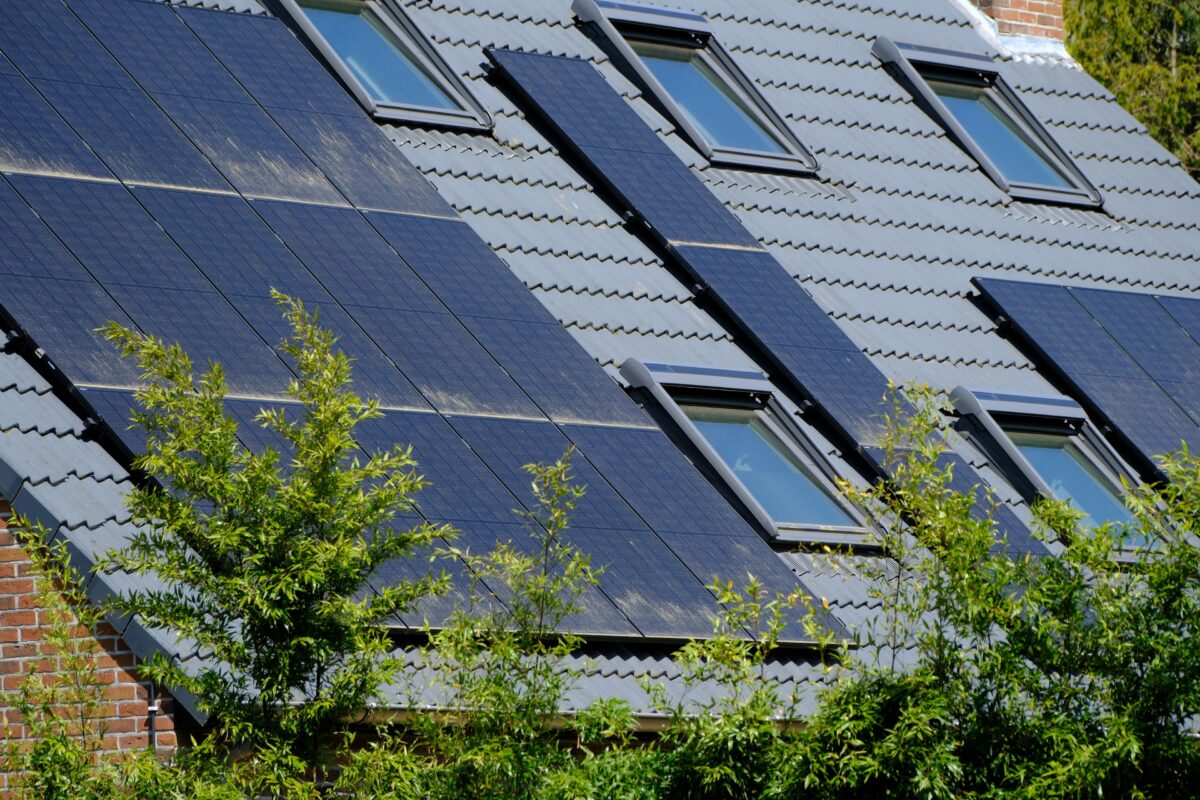
Behind-the-meter systems are typically smaller than FOM systems and are often installed on buildings, parking lots, ramps, yards and vacant lots that directly serve buildings. Any excess electricity production from these systems can be sent back to the grid, and if the system does not meet 100% of demand, it can draw power from the grid.
“Grid operators generally oppose BTM distributed PV because its primary impact is to reduce the demand for electricity from the grid,” Jacobson said. “Utilities argue that remaining customers will have to pay higher costs for remaining demand, especially since the fixed costs of the transmission and distribution system are now spread among fewer customers.”
Jacobson gave ten reasons why BTM solar helps everyone:
1. The claim that BTM Solar reduces electricity demand and therefore increases costs by spreading the fixed costs of transmission and distribution over fewer customers, known as ‘cost shifting’, ignores the reality of the energy transition. Buildings, transport and industry are all being electrified. Jacobson said electricity needs will nearly double.
“Even if 25 percent of total electricity demand is met with BTM PV, the grid’s total electricity demand will still increase by 50 percent compared to today. Thus, utilities’ assumption that large growth in BTM PV reduces demand only applies to low levels of electrification, not to large-scale electrification, which is needed to address climate, pollution and energy security challenges ,” said Jacobson.
2. BTM’s rooftop solar does not require new land, while utilities do. Therefore, BTM solar energy reduces land requirements and habitat damage.
3. BTM Solar reduces the need for transmission and distribution lines. Grid customers require transmission and distribution lines for 100 percent of their electricity consumption, and utility PV requires transmission and distribution lines for 100 percent of generation. BTM solar customers only need transmission lines that support the additional demand that their solar panels cannot meet.
4. When placed next to a battery, BTM Solar produces more than the building consumes, sending excess electricity back to the grid. This is useful to avoid power outages, especially on hot summer days in areas where AC is used.
5. Sparks on transmission lines have led to devastating wildfires, such as in California and Hawaii. The costs of such fires and underground transmission lines have been passed on to California customers. BTM solar reduces the number of fires, Jacobson said.
6. The addition of BTM PV reduces the extraction, processing and combustion of polluting fuels (fossil fuels and bioenergy) for electricity generation on the grid, supporting a cleaner environment.
7. By reducing greenhouse gas emissions from polluting fuels, BTM PV reduces climate damage to both distributed PV and grid customers.
8. By reducing the use of fossil fuels, BTM PV reduces the energy insecurity problems associated with fossil fuels.
9. Installing BTM PV creates more jobs than installing and operating utilities and other grid-level electricity generation, and this benefits a state or country as a whole.
10. Because rooftop PV absorbs 20 to 26 percent of the sunlight that falls on it and then converts the light into electricity, less light is absorbed by the building, cooling the building during the day, reducing electricity demand for daytime air conditioning. This cooling is greatest in the summer and during the day, when electricity prices are highest.
Jacobson offered a few more reasons why behind-the-meter solar is a benefit to ratepayers in general, and it can be read here.
This content is copyrighted and may not be reused. If you would like to collaborate with us and reuse some of our content, please contact: editors@pv-magazine.com.
