

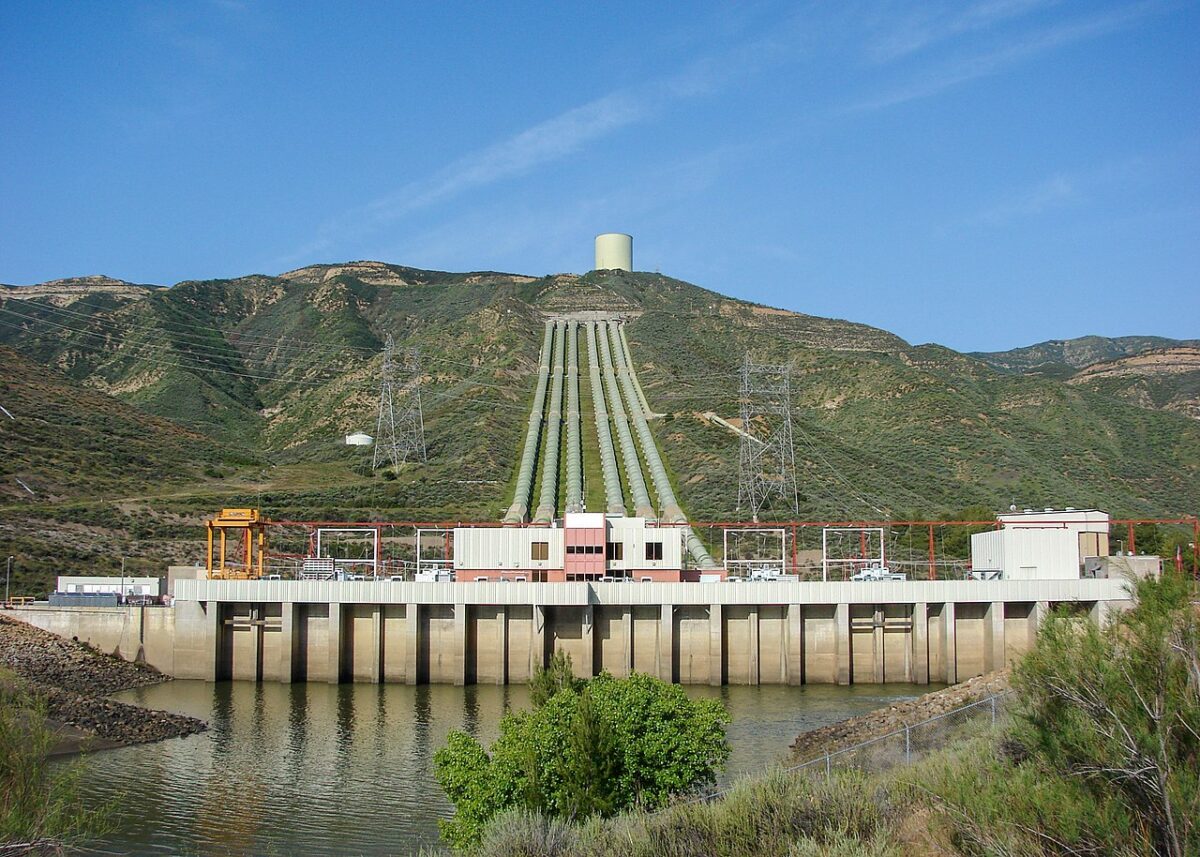
In the last monthly magazine for pv magazinethe International Solar Energy Society (ISES) explains how pumped hydro storage combined with PV energy generation can power data centers 24/7
Pumped Hydro Energy Storage (PHES) offers a widely available, highly mature, cheapest, lowest impact and longest lifespan solution for dunkelflaute.
PHES represents 95% of global energy storage. The world has 820,000 PHES sites with a combined storage of 86 million GWh, equivalent to the usable storage in 2,000,000,000,000 electric vehicle batteries.
PHES and batteries are a complete energy storage solution for solar and wind energy. Batteries provide short-term high-power storage (a few hours), while PHES covers overnight, day, or seasonal storage.
Top-quality PHES provides energy storage in the range of 5-5000 GWh at a capital cost 5-10x lower than batteries (US$8-40) and with a lifetime 10x longer (150 years). Premium sites have high head (400-1600 m); large water-to-rock ratio (10-50) and short pressure tunnels (several km).
The costs of PHES are falling as quickly as those of batteries, because the Global PHES Atlas hundreds of thousands of fantastic locations beyond the river have been uncovered.
There is no need for new dams on rivers. Minimal mining is required compared to mining for battery metals. Reservoir walls are built by scooping rock from the bottom of the reservoirs. Increasing the energy storage volume costs little: shovel more stone to make the walls a little higher.
The water requirement for PHES is very small compared to comparable batteries (including mining and refining). The land requirement for PHES is also very small. Premium quality PHES stores 5-+100 GWh per km2compared to utility batteries of around 15 GWh/km2.
The land and water requirements to provide all the storage required for a prosperous, fully electrified and low-carbon economy dependent on solar and wind energy is on the order of 2 meters2 per person and 2 liters per person per day, respectively.
The local economic content for PHES is high: construction of reservoirs, tunnels, power stations and transmission. In contrast, most countries import batteries.
Almost everyone has PHES or can find it nearby. Europe has unlimited PHES potential in Norway, the Alps and Southern Europe.
Dry US states such as Texas and New Mexico have great locations to store their excellent solar and wind energy overnight at a 15 GWh site, or for a season at a 5000 GWh site. California, like all western stateshas an embarrassment of excellent sites, far more than it would ever need. The Appalachians from Alabama to Canada are also well endowed.
Southeast and East Asia, Central and South America, Africa and the Middle East have a host of prime locations, right where most people live. India has thousands of excellent sites, not only in the Himalayas, but also in the south. The construction of PHES in India is taking off, along with the rapidly increasing use of solar and wind energy.
Even flat and arid Australia has many excellent locations. Australia will soon have 400 GWh of PHES storage (15 kWh per person), built at a cost of one cent per person per day over its 150-year lifespan. This corresponds to 8000 GWh in Europe or 5000 GWh in the US. Australia is rapidly increasing storage and transmission as the country has the highest solar generation per person.
And then there’s China, perhaps the best endowed country in the world, rivaling its massive scale of solar and wind energy. China has a PHES completion pipeline of 16 GW per year, coupled with hundreds of GWh of energy storage.
Solar energy in combination with PHES is ideal for supplying power to data centers 24/7. For example, a 1 GW data center in New Mexico could be powered by 5 GW of SE- and SW-facing high-tilt solar panels (for winter). Hybrid storage is provided by 2 GW of 25-hour PHES (50 GWh) plus 1 GW of 4-hour batteries (4 GWh, to harvest peak power around noon). The PHES storage can be trickle charged from the grid during non-peak periods, and both PHES and the batteries are reimbursed for helping to stabilize the grid during periods of stress.
Together, PHES and batteries are gas killers. Batteries eat up high-value revenue streams for ancillary services and morning and evening peaks. Pumped hydropower absorbs excess solar and wind energy at low or negative cost and provides power when prices are high during wet and windless nights, weeks and seasons.
Dunkelflaute and excessive solar energy in the summer are increasing problems. PHES offers an excellent turnkey solution in combination with batteries, as described under a recent review article here.
There is a lot of PHES implementation activity in places like China, India and Australia. Why aren’t there many new PHES happening in Europe and the United States? Nant de Drance in Switzerland has recently been completed, but it has only 5% of the energy storage volume under construction in Australia, which is home to only 5% of the population of Europe!
Some people have the misconception that PHES requires new dams on rivers, lots of land, lots of water and high costs – all of which is wrong. There also appears to be a partial paralysis over the construction of new transmission systems to share solar energy, wind energy and storage between regions and states.
Image: ISES
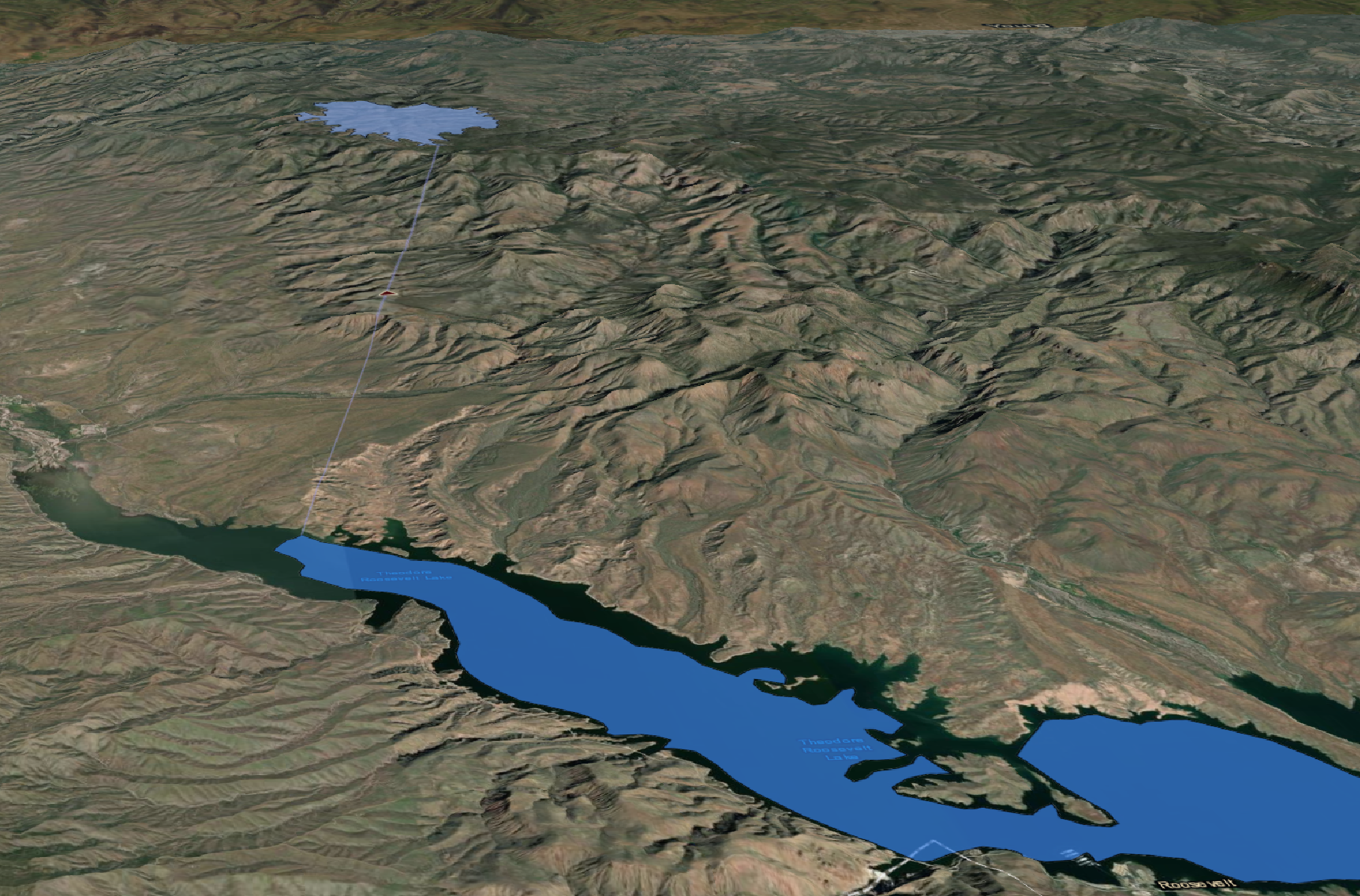
Image: ISES
Authors: Prof. Ricardo Rüther (UFSC), Prof. Andrew Blakers/ANU
Andrew.blakers@anu.edu.au
rruther@gmail.com
ISESthe International Solar Energy Association is a UN accredited member NGO founded in 1954 working towards a world with 100% renewable energy for all, used efficiently and wisely.
The views and opinions expressed in this article are those of the author and do not necessarily reflect those of the author pv magazine.
This content is copyrighted and may not be reused. If you would like to collaborate with us and reuse some of our content, please contact: editors@pv-magazine.com.
Popular content

