

Groundbreaking double-layer design improves the performance of silicon batteries in electric vehicles
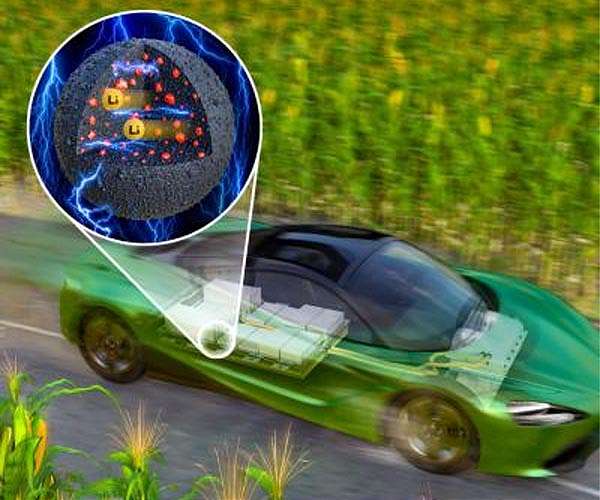
Researchers from Queen Mary University of London have shown that a new double-layer electrode design, guided by operando imaging, significantly improves the cyclic stability and fast charging performance of automotive batteries. Their findings indicate that the new silicon-based composite electrodes can reduce battery costs by up to 30 percent while increasing capacity and lifespan.
The research team, led by Dr. Xuekun Lu, introduced an evidence-based double-layer architecture to address long-standing hurdles with silicon electrode degradation. The high theoretical capacitance of silicon is offset by an expansion of up to 300 percent during operation, which causes rapid wear on standard designs. The proposed double-layer structure mitigates these volume changes, resulting in much greater durability and performance compared to traditional electrodes.
Advanced multimodal operando imaging, deployed during the study, gave the team new insights into the electro-chemo-mechanical processes at work in graphite and silicon composite electrodes. This approach allowed them to refine the microstructural design at a fundamental level.
“This study opens new avenues for innovating 3D composite electrode architectures, pushing the boundaries of energy density, cycle life and charging speed in automotive batteries, thereby accelerating large-scale EV adoption.” said Dr. Xuekun Lu, study leader.
Professor David Greenwood, CEO of the WMG High Value Manufacturing Catapult Centre, commented: “High silicon anodes represent an important technology avenue for high energy density batteries in applications such as automotive. This study provides a much deeper understanding of how their microstructure affects their performance and degradation, and will provide a basis for a better battery design in the future.”
The research has been published in Nature Nanotechnology.
Research report:Unraveling electro-chemo-mechanical processes in graphite/silicon composites for the design of nanoporous and microstructured battery electrodes
