
Close Menu
  • News
  • Industry
  • Solar Panels
  • Commercial
  • Residential
  • Finance
  • Technology
  • Carbon Credit
  • More
    • Policy
    • Energy Storage
    • Utility
    • Cummunity
What's Hot

Inside PV Manufacturing: Belga Solar’s module factory in Belgium

April 23, 2026

Solar energy’s rebound effect could increase European electricity demand by 5% by 2050 – SPE

April 23, 2026

Repowering key for Japanese solar assets nears end of feed-in tariff – SPE

April 23, 2026
Facebook X (Twitter) Instagram
Solar Energy News
Thursday, April 23
  • News
  • Industry
  • Solar Panels
  • Commercial
  • Residential
  • Finance
  • Technology
  • Carbon Credit
  • More
    • Policy
    • Energy Storage
    • Utility
    • Cummunity
Solar Energy News
Home - Technology - Tandem PV launches commercial production of perovskite silicon in California – SPE
Technology

Tandem PV launches commercial production of perovskite silicon in California – SPE

solarenergyBy solarenergyApril 21, 2026No Comments2 Mins Read
Facebook Twitter Pinterest LinkedIn Tumblr Email
Share
Facebook Twitter LinkedIn Pinterest Email

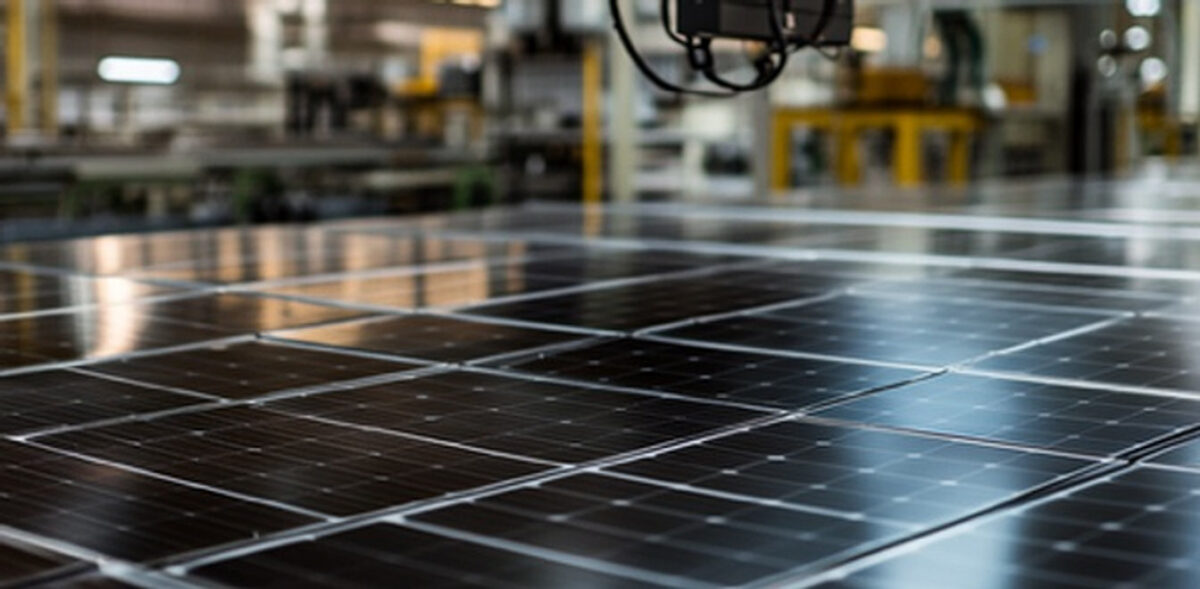
Tandem PV has opened a 40 MW commercial demonstration plant in Fremont, California, marking a significant transition for perovskite silicon technology from laboratory development to repeatable production at scale.

April 21, 2026
Ryan Kennedy

By pv magazine USA

Tandem PV has opened a commercial demonstration plant in Fremont, California, marking a transition for perovskite silicon technology from laboratory development to repeatable production at scale.

The 464.5 m² facility has a nominal annual capacity of approximately 40 MW and produces tandem solar panels approximately 60 times larger than the company’s initial research-scale devices.

The company has reported internal test results of 29.7% efficiency and aims to provide a higher efficiency alternative to standard silicon modules as land and system balance costs still represent the majority of utility-scale project costs.

The production expansion comes at a crucial time for the domestic solar supply chain, as rising electricity demand, fueled by AI workloads and data center growth, places renewed pressure on capacity. Project developers are increasingly looking for hardware innovations that can maximize energy production from a fixed footprint.

The Fremont site is designed to validate the production of large format products and accelerate market acceptance by demonstrating that the advanced materials can be reliably manufactured in the United States. While the industry has resolved long-standing questions about the stability of perovskites, the move toward commercial-scale production reflects a shift toward hardware that can provide lower energy costs through increased efficiency.

The company said it plans to deliver the first modules for customer validation trials later this year, with the aim of reaching high-volume production by 2028.

See also  Heliene is the first domestic manufacturer of silicon solar panels to use American-made cells

Federal and state policy continues to play a role in bringing back advanced solar energy production, with the company receiving support from the U.S. Department of Energy and the California Energy Commission. As global energy markets remain volatile, the push for domestic leadership in next-generation solar technology remains a strategy to strengthen supply chain resilience. The facility represents a broader industry effort to move beyond increasing silicon gains and deliver the kind of breakthrough engineering needed to meet evolving system reliability needs.

This content is copyrighted and may not be reused. If you would like to collaborate with us and reuse some of our content, please contact: editors@pv-magazine.com.

Popular content
Source link

California commercial launches perovskite production silicon SPE tandem
Share. Facebook Twitter Pinterest LinkedIn Tumblr Email
solarenergy
  • Website

Related Posts

Solar energy’s rebound effect could increase European electricity demand by 5% by 2050 – SPE

April 23, 2026

Repowering key for Japanese solar assets nears end of feed-in tariff – SPE

April 23, 2026

Peru opens complementary services market to support renewable energy sources – SPE

April 23, 2026
Leave A Reply Cancel Reply

Don't Miss
Solar Industry

New model for designing floating PV systems at sea

By solarenergySeptember 19, 20240

Researchers from TU Delft have modeled a variety of floating PV structures at sea to…

Longi supports Carbon’s shift to GW-scale solar production in France

December 16, 2025

Zen Center of Denver goes solar with a 9.7 kW array

June 18, 2024

Lightsource BP Energie from the Texas Solar Port Folio

February 4, 2025
Stay In Touch
  • Facebook
  • Twitter
  • Pinterest
  • Instagram
  • YouTube
  • Vimeo
Our Picks

Inside PV Manufacturing: Belga Solar’s module factory in Belgium

April 23, 2026

Solar energy’s rebound effect could increase European electricity demand by 5% by 2050 – SPE

April 23, 2026

Repowering key for Japanese solar assets nears end of feed-in tariff – SPE

April 23, 2026

Peru opens complementary services market to support renewable energy sources – SPE

April 23, 2026
Our Picks

Inside PV Manufacturing: Belga Solar’s module factory in Belgium

April 23, 2026

Solar energy’s rebound effect could increase European electricity demand by 5% by 2050 – SPE

April 23, 2026

Repowering key for Japanese solar assets nears end of feed-in tariff – SPE

April 23, 2026
About
About

Stay updated with the latest in solar energy. Discover innovations, trends, policies, and market insights driving the future of sustainable power worldwide.

Subscribe to Updates

Get the latest creative news and updates about Solar industry directly in your inbox!

Facebook X (Twitter) Instagram Pinterest
  • Contact
  • Privacy Policy
  • Terms & Conditions
© 2026 Tsolarenergynews.co - All rights reserved.

Type above and press Enter to search. Press Esc to cancel.