

German energy company RWE has had its proposals for a 49.9MW solar project in the West Midlands rejected by the city council.
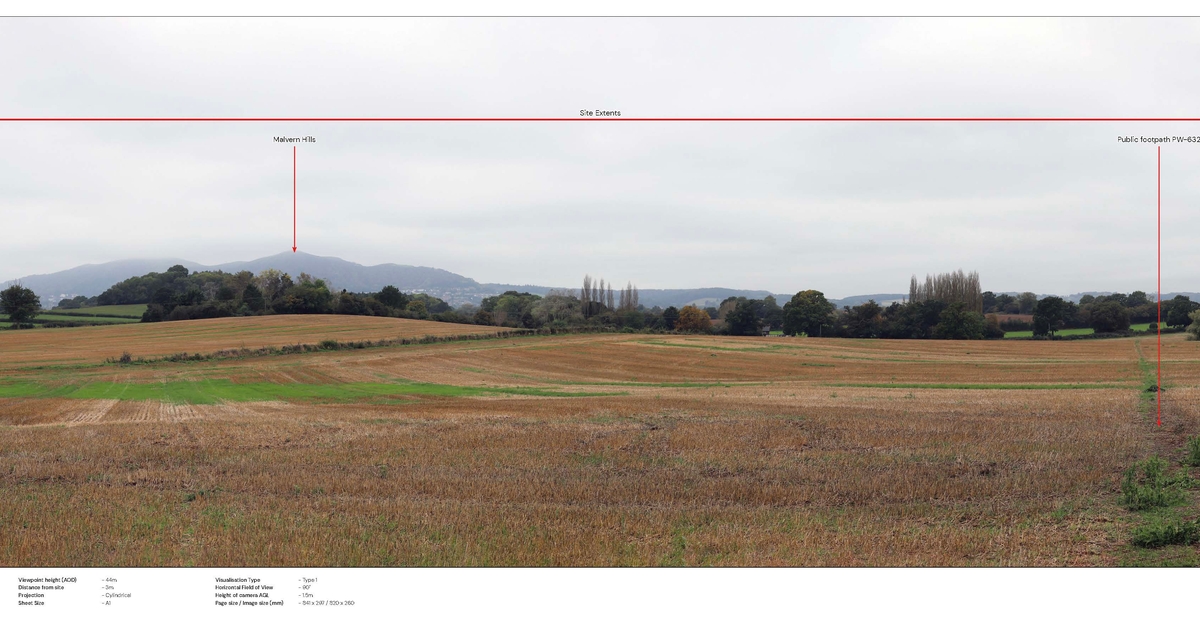
Malvern Hills District Council earlier this month rejected planning permission for the Chapel Hill solar PV and battery energy storage system (BESS) project in Warwickshire following complaints from locals about the site’s impact on local views.
Council planning documents stated that the site would cause “significant demonstrable adverse harm to the open and undeveloped character and appearance of the land” and would be “uncongenial to the local character and history”.
RWE planned to develop the site through its subsidiary JBM Solar, which was acquired in 2023 in a bid to become a leading player in the UK solar and energy storage market. The site would have occupied approximately 271 hectares near Monksfield Farm, including interconnection infrastructure.
RWE/JBM’s plans for the project would have generated 83 GWh of power annually and would have kept “more than 95% of the land suitable for sheep grazing – a practice commonly known as agrivoltaics. The company also claimed it would achieve a net biodiversity gain of “more than 50%” at the site, five times the legal requirement for UK developments.
An opposition campaign, Preserving Powick Landscape and Nature (PPLAN), cited the impact on the local road network due to cable laying, the impact on landscape and farmland and fire risks from BESS installations as reasons for its opposition.
There is evidence that solar projects in their local areas could have biodiversity benefits if developers pursue them, by creating pollinator habitats and wildflower beds and planting new hedges and trees. Often these developments are more biodiversity than monocultural agricultural land.
Combining solar with agricultural land can also offer farmers greater financial stability, and the UK’s solar development goals are This is unlikely to have a meaningful impact on food security. A survey earlier this year found that 37% of farmers used income from solar power generation to support their farms for future generations, and another 30% said they would benefit from solar installations.
Globally, developers of solar energy projects are facing increasing setbacks to their developments, partly due to the expansion of the technology and partly due to the growing culture wars over renewable energy.
Chris Hewett, head of Solar Energy UK, spoke to our sister site: PV Tech, earlier this year and said some British media have “amplified” anti-solar narratives. He said developers have the most success when they engage with local communities early in the process.
In the case of the Chapel Hill solar project, the site was proposed near the Malvern Hills Area of Outstanding Natural Beauty, which has been a consistent theme in opposition to the development, according to documents on the District Council website.
Solar Power Portal has contacted RWE for comment on this story.
The company has grown to become one of the largest developers of solar PV projects in the UK. It is currently developing more than one solar NSIP (nationally significant infrastructure project), most notably a 320MW project in Yorkshire and a 180MW solar plus storage project in the North East.
NSIPs are often quickly approved for approval, given their size and significance, to overcome planning hurdles.
