


The pv magazine Awards 2025 The winners have been announced and this year’s successful solar and storage champions have given a taste of what the future could bring.
Judges were treated to everything from groundbreaking technologies that support grid stability to second life solutions that enhance sustainability. They have recognized activism in fast-growing PV markets, innovation in key emerging market segments and more.
This year was a truly global competition, attracting entries from 40 countries and presenting our expert judges with the challenging task of choosing winners from a number of outstanding entries.
One of the notable features of the pv magazine Awards 2025 is the ability of new entrants to innovate in both mature and emerging categories, from impressive PV module performance specifications to creative new approaches to energy storage.
Commenting on the 2025 participants, Mark Hutchins, magazine director at pv magazinesaid: “Choosing this year’s winners was generally a difficult task for our judges, reflecting the strong competition and high levels of innovation in each sector. And it’s great to be able to recognize achievements in still emerging areas such as recycling and networked energy storage.”
And the winners are…
Projects
Winner: Wärtsilä Energy Storage, Blackhillock BESS
In a year when grid stability, flexibility and storage are in the spotlight, the 2025 Projects Prize goes to a battery energy storage system (BESS) installation delivering world firsts that are sure to be replicated.
The Blackhillock energy storage facility is a 200 MW/400 MWh system developed by Wärtsila Energy Storage in collaboration with owner and operator Zenobe and is the first BESS in the world to deliver true synthetic inertia and short-circuit level support.
Highly recommended: Apollo Energy Analytics, performance and reliability optimization in solar energy in the UAE.
Modules
Winner: Longi Green Energy Technology Co., Ltd., Hi MO x 10
Bifacial performance has long been a weak spot for back-contact cell designs. Longi impressed with several optimizations that bring the back performance ratio of the Hi MO x 10 to 75%, even while all contacts and connection structures partially cover the back of the cell.
The module makes good use of other benefits inherent to back contact technology, including resilience in the shade, low-light performance, and converting light coming from low angles.
Highly recommended: Tongwei, TNC 2.0 series
BESS

Winner: Stabl Energy, high-quality second life source BESS
Stabl’s commercial and industrial (C&I) integrated battery storage system combines the benefits of second-life batteries with new modular multi-level converter (MMC) technology for increased efficiency and optimized sustainability. The status quo of battery storage systems is to connect multiple battery modules in series. This approach means that the chain is only as strong as its weakest link, with performance limited by the weakest module.
Highly recommended: Noon Energy, ultra-long life energy storage battery
Inverters

Winner: SMA Sunny Central Storage UP-S
SMA’s new battery inverter platform is available in four power classes, ranging from 2.7 MW to 4.6 MW. With an efficiency of 99.2%, it was one of the highest ratings in this year’s competition. A key innovation lies in the use of silicon carbide (SiC) transistors throughout the inverter design. Although SiC translators are already common in residential and future C&I inverters, they have not yet been widely used in larger inverters due to the commercial availability of transistors designed for such high loads.
Highly recommended: Sungrow SG9375UD-MV-20
Balance of system

Winner: MBJ Solutions, MBJ Quickcheck
German imaging company MBJ Solutions scored a win in the BoS category with its portable electroluminescence (EL) inspection system. This system can be used to inspect PV modules during normal inverter operation and energization, without disassembly, transportation and laboratory time. The core of the MBJ Quickcheck consists of a test housing on a telescopic rod that contains an EL imaging camera that can capture EL images during operation and in daylight.
Highly recommended: Proa MetCube
Production
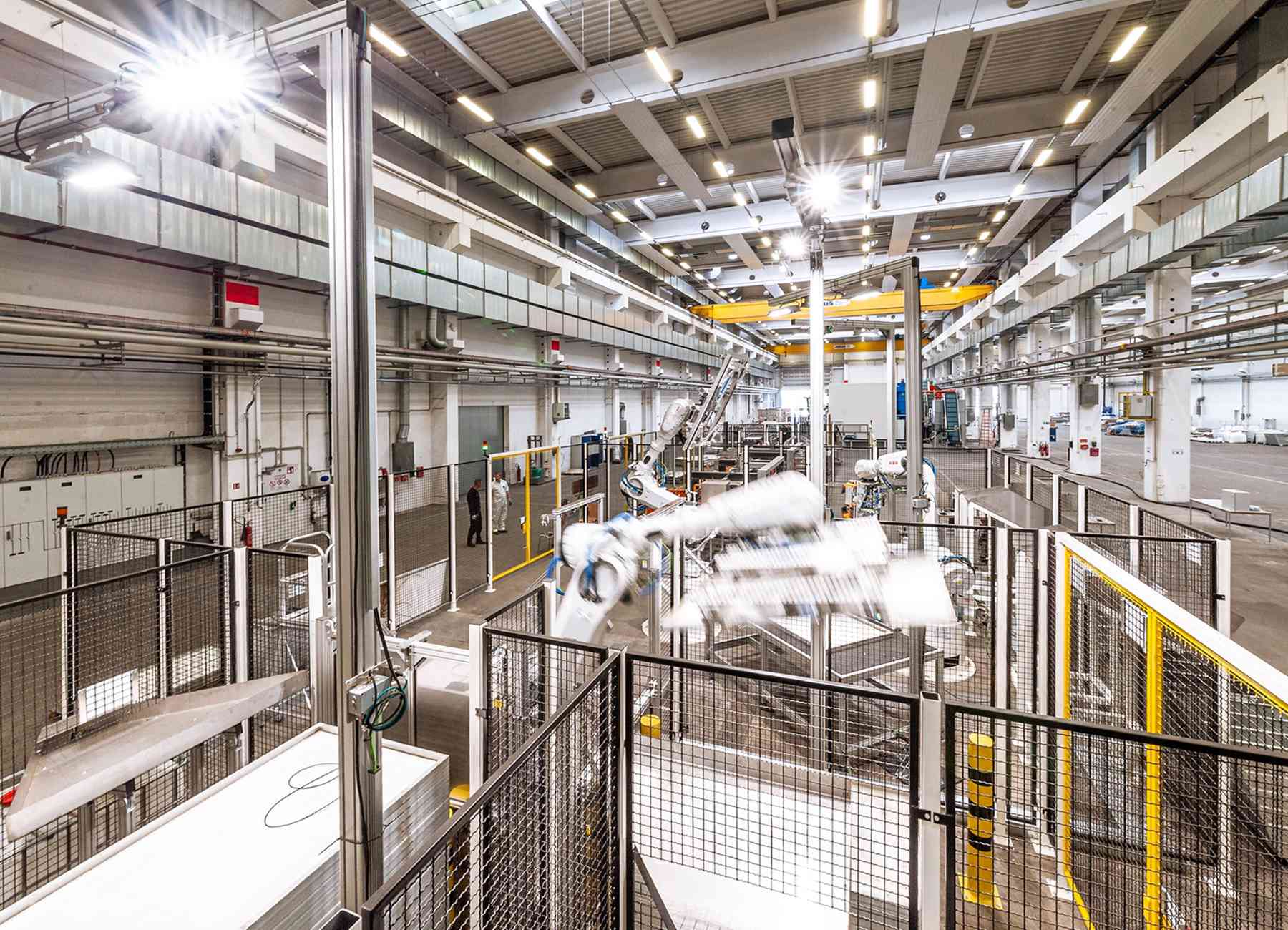
Winner: Solar materials, solar energy recycling
The German Solar Materials has developed its own processes that claim to recover 98% of all raw materials in a typical solar panel. The company uses a ‘reverse production line’ approach, with automated processes to separate the panels layer by layer, avoiding chemical treatments and high temperature processing. In April 2025, it opened its first industrial PV recycling facility in Germany, capable of processing 7,000 tons of solar panels per year, with plans to triple capacity, as well as open sites in Italy, France and Spain.
Highly recommended: Kyoshin Electric, FSS 4 probe rod
Sustainability

Winner: Smart Solar, Waqas Khaleeq
Solar vlogger Waqas Khaleeq involves ordinary people in Pakistan’s transition to clean energy. The CEO of Pakistani renewable energy company Smart Solar, Khaleeq, believes that education and knowledge sharing are as powerful as technological innovation. He knows that a country cannot become decarbonized without people understanding how and why to embrace clean energy. His vlogs are aimed at both industry personnel and regular viewers, and they receive very high engagement.
Highly recommended: Zelestra, 3Es strategy
Publisher’s choice
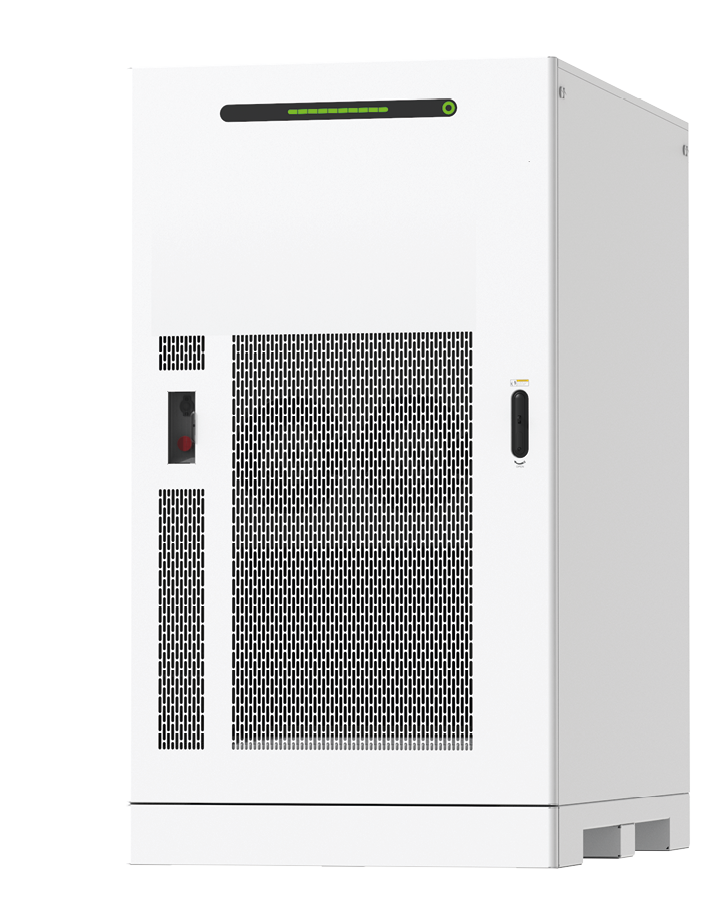
Winner: Huawei Technologies
Shenzhen-based Huawei Technologies presented an innovative commercial and industrial BESS system at The smarter E Europe in Munich, Germany this year. Huawei FusionSolar C&I Hybrid Coolin ESS LUNA2000-215-2S10. The C&I BESS has a power of 108 kW and can supply the electricity grid for almost two hours. The highlight is the hybrid cooling technology, which uses a patented combination of air and liquid cooling, which reduces energy consumption by 30% according to the manufacturer.
“Huawei is one of the world’s leading innovators and the innovation we see in the Huawei FusionSolar C&I Hybrid Cooling ESS shows that Huawei is bringing the same commitment to R&D and innovation to the energy storage market that we have come to appreciate with its work in PV systems,” said Eckhart K. Gouras, pv magazine publisher. “All these technologies are coming together, including digitalization, AI, robotics and EVs, to accelerate the energy transition and ensure a better environment and a greener planet.”
Find out more about this year’s winners, the highly regarded finalists and comments from our independent judges in the winter edition of pv magazine Global available now.
This content is copyrighted and may not be reused. If you would like to collaborate with us and reuse some of our content, please contact: editors@pv-magazine.com.
Popular content

