

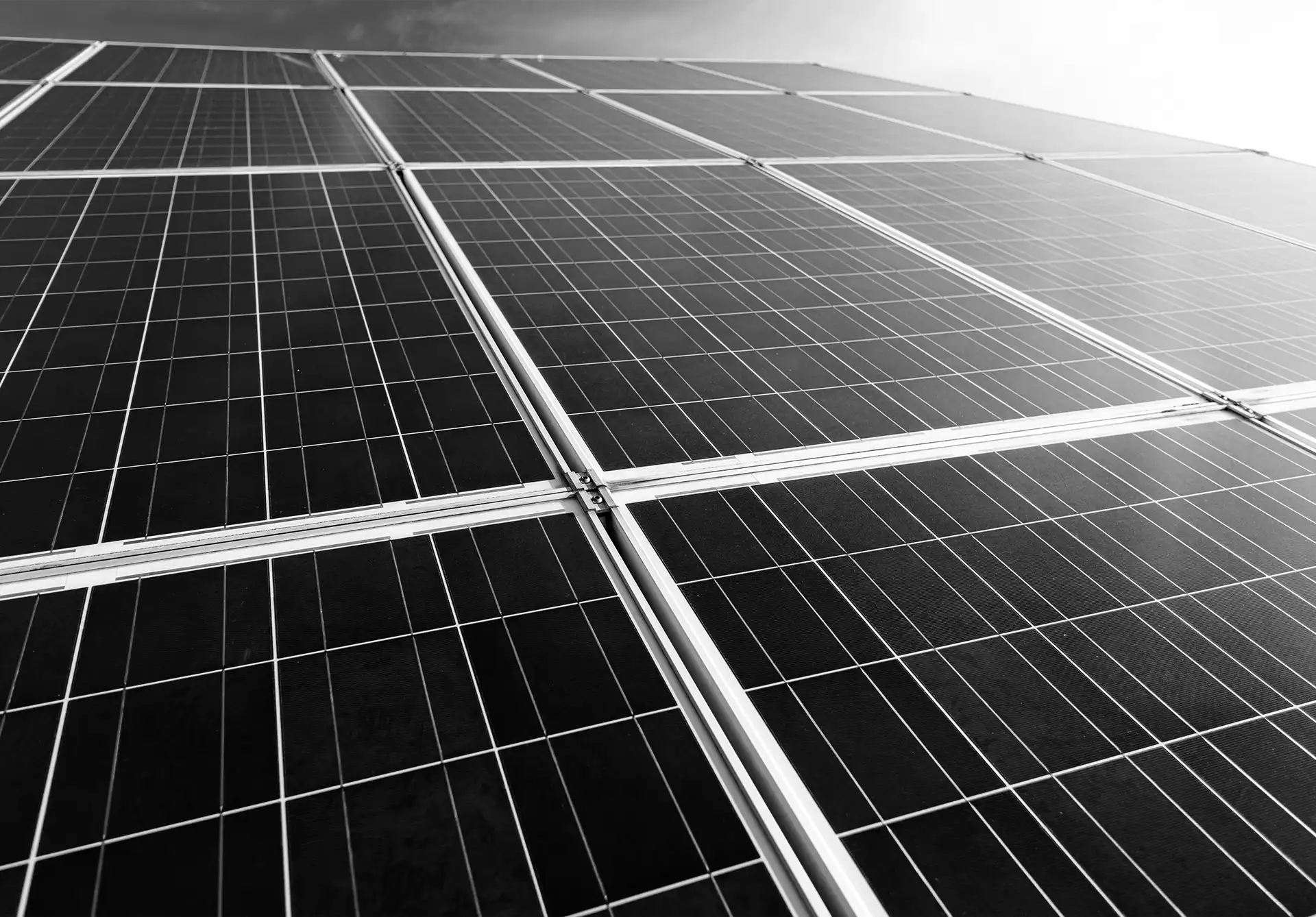
Solar power has grown significantly in recent years, thanks to innovations in solar panel technology that make it more efficient, cost-effective, and versatile. New advancements like perovskite and bifacial solar panels, have increased efficiency and reduced costs. Perovskite panels are particularly promising, offering higher efficiency at a lower price point than traditional silicon-based panels, while bifacial panels capture sunlight from both sides, generating more power from the same area. These improvements make solar power a more viable option for both residential and commercial applications.
Energy storage technology has made solar power more reliable. Improvements in battery technology, like lithium-ion and solid-state batteries, allow excess energy to be stored during the day and used at night or on cloudy days, overcoming the issue of intermittent sunlight. New solar designs like solar roof tiles and windows are making solar integration into homes and buildings easier and more aesthetically pleasing. With these technological breakthroughs, solar power is becoming a more practical energy solution for the future.
Efficiency Improvements in Solar Panels
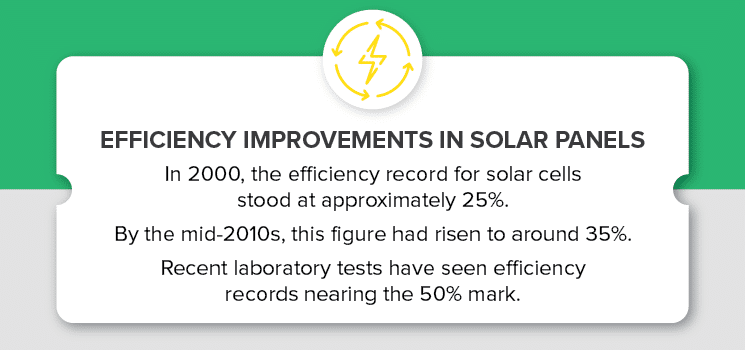
Solar panels have seen significant enhancements in their efficiency – the ability to convert sunlight into electricity – over the years. This increased efficiency means that less sunlight is wasted, resulting in a higher energy yield. According to the National Renewable Energy Laboratory (NREL), the efficiency of solar cells has improved dramatically:
- In 2000, the efficiency record for solar cells stood at approximately 25%.
- By the mid-2010s, this figure had risen to around 35%.
- Recent laboratory tests have seen efficiency records nearing the 50% mark.
This continual improvement in solar panel efficiency means more power generation per unit area, reducing the space required for solar installations.
Developments in Solar Cell Materials
Solar technology advancements have also extended to the materials used in the construction of solar cells. Traditionally, solar panels have utilized crystalline silicon cells, but new materials are beginning to make their mark. Some notable advancements include:
- Thin-film solar cells: These cells are cheaper and lighter than traditional silicon cells. They can be made from a variety of materials, including cadmium telluride (CdTe) and copper indium gallium selenide (CIGS).
- Perovskite solar cells: A newer development in the solar industry, perovskite cells are less expensive and more straightforward to manufacture than silicon cells, potentially lowering the cost of solar power.
Advances in Solar Battery Storage
The improvements in solar panel technology don’t stop with the panels themselves. The advent of more efficient and cost-effective solar battery storage systems is another significant advancement. These batteries store the surplus power generated by the solar panels, which can be used when the sun isn’t shining. Some key features of these advances include:
- Increased capacity: Newer solar batteries can store more power, allowing homeowners to use solar energy even during nights or cloudy days.
- Decreased costs: The price of solar batteries has been decreasing, making solar power more affordable for average consumers.
Solar Tracking Technology
Solar tracking technology has also seen significant advancements. These systems allow solar panels to move and follow the sun’s path throughout the day, maximizing exposure to sunlight and enhancing efficiency. Highlights of solar tracking technology include:
- Increased efficiency: By optimizing the angle at which sunlight hits the solar panels, solar trackers can increase energy production by up to 25% compared to stationary installations.
- Lower costs: Advances in technology and manufacturing have made solar trackers more affordable for residential use.
Bifacial Solar Panels
Bifacial solar panels represent one of the latest developments in solar technology. Unlike conventional panels, which only have photovoltaic cells on one side, bifacial panels feature cells on both sides, enabling them to absorb sunlight reflected off the ground in addition to direct sunlight. Key benefits of bifacial solar panels include:
- Increased energy production: Bifacial solar panels can generate up to 20% more power than traditional panels, thanks to their ability to capture additional reflected light.
- Versatility: Bifacial panels are ideal for locations with high albedo, such as snowy or sandy environments, where a significant amount of light is reflected from the ground.
Predictions for the Future of Solar
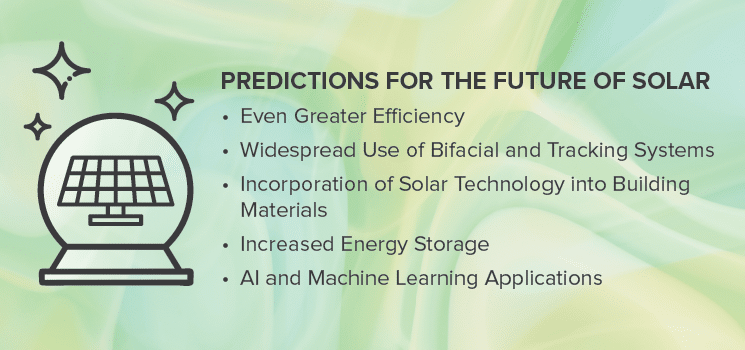
As we look ahead, the future of solar power is filled with possibilities and technological advancements that could shape the way we generate and use energy. Here are some predictions for what lies ahead:
- Even Greater Efficiency: Solar panel efficiency has improved over the years, and ongoing research and development suggest that solar panels will become even more efficient in the near future. With innovations in materials like perovskite and the potential use of multi-junction cells, we could see solar panels achieve efficiencies exceeding 50%, allowing for greater energy production with less surface area.
- Widespread Use of Bifacial and Tracking Systems: As the costs of bifacial solar panels and tracking systems decrease, they are expected to become more common in residential and commercial solar installations. Bifacial panels, which capture sunlight from both sides, and tracking systems, which follow the sun’s movement throughout the day, could increase energy production by harnessing more light and extending power generation.
- Integration of Solar Technology into Building Materials: The future may see solar technology seamlessly integrated into the buildings themselves, such as in solar windows or solar tiles. This approach could revolutionize how we view energy generation, allowing every building to contribute to power production and reducing the need for large-scale solar farms. With solar power built directly into our homes and offices, the energy landscape could change dramatically.
- Improved Energy Storage: Energy storage has been a challenge for solar energy, but continued developments in battery technology are expected to improve storage capacity. With more advanced and affordable batteries, solar energy could be stored more efficiently, ensuring a steady supply of power even when the sun isn’t shining. This would help stabilize solar energy use, allowing households and businesses to rely more on solar power around the clock.
- AI and Machine Learning Applications: Artificial intelligence and machine learning are poised to revolutionize solar power. By optimizing energy production and consumption, AI could help solar systems work at maximum efficiency, adapting in real-time to environmental factors. Machine learning could also be used to predict and manage grid systems, improving reliability and preventing system failures before they occur. AI could play a role in analyzing data from solar panels to improve performance over time.
While predicting the future is never certain, one thing is clear: the advancements in solar panel technology, from increased efficiency to better energy storage, will only make solar energy a more attractive solution for a sustainable future. The potential for solar power to transform the way we generate, store, and use energy is vast, and we are only beginning to scratch the surface of what’s possible.
Where Do We Go Next
Solar energy is a field characterized by constant innovation, with advancements in solar panel technology making this form of renewable energy ever more efficient and affordable. These innovations not only benefit the environment but also make solar power a more viable option for consumers. As these advancements continue to take shape, the future of solar power appears incredibly bright.
