


A Missouri state senator, with vocal support from the governor, has introduced a bill that would immediately halt all solar construction, placing a moratorium on all new solar construction effective until December 31, 2027 – or whenever new rules are developed by the state.
Missouri Senator Cindy O’Laughlin (R-18) is introduced Senate Bill 849 (SB 849), which would halt all ongoing and new utility-scale solar construction in the state until environmental regulations governing its construction, deployment, and operation are established.
The bill imposes an immediate moratorium on “new and current” solar projects statewide. It says:
The law provides that there will be a moratorium on the construction of new and ongoing solar projects in the state beginning on the effective date of the law. The Department of Natural Resources will promulgate regulations regarding environmental issues related to the construction, siting, and operation of a solar energy project. The moratorium will end on December 31, 2027. However, if the Department does not promulgate the rules before that date, the moratorium will remain in effect until such rules are promulgated.
On LinkedInAttorney Marshall Harkins suggested the bill “would create significant potential liability for the state, especially for existing projects still in progress.” Maria Bries, law partner at Fox Swibel Levin & Carroll LLP, said Missouri’s original 1820 Constitution was structured with a “underlying disgust to the retrospective application of laws.”
Underlying the propriety of already approved permits, especially for projects under construction, is the fact that all five U.S. offshore wind turbines whose leases were recently terminated by President Trump have all been allowed to at least temporarily resume construction at their respective sites, pursuant to the rulings of various judges.
On January 13Governor Mike Parson of Missouri expressed support for the bill during his State of the State address. He said, “I support Senator O’Laughlin’s efforts to install fundamental guardrails around industrial solar developments that divide our rural communities. We must protect our resources for future generations.”
pv magazine USA has written to the senator’s office asking about their positions.
Source: US Energy Information Administration
According to the U.S. Energy Information Administration (EIA), in 2024, Missouri generated just over 56% of its electricity from coal, 15% from nuclear, 15% from natural gas, about 10% from wind, and about 1.4% from utility-scale solar. The state imports almost its entire supply of fossil fuels due to the minimal production of coal, oil or gas in the state.
EIA data ranks Missouri 39th out of 50 states in the amount of electricity it gets from solar, putting it (technically, but not really) off the grid. solar backwater area. Construction of a 430 megawatt solar power plant recently started double the state’s total deployed capacity.
The state recently adopted a law that protects homeowners’ solar rights. Homeowner associations may not make laws that “prevent the installation of the (solar) device, impair the operation of the device, limit the use of the device, or adversely affect the cost or efficiency of the device.” The bill does offer associations the opportunity to set ‘reasonable rules’ that limit the installation of solar panels. However, the Missouri Supreme Court has ruled in favor of homeowners wanting to install solar panels outside of established HOA guidelines.
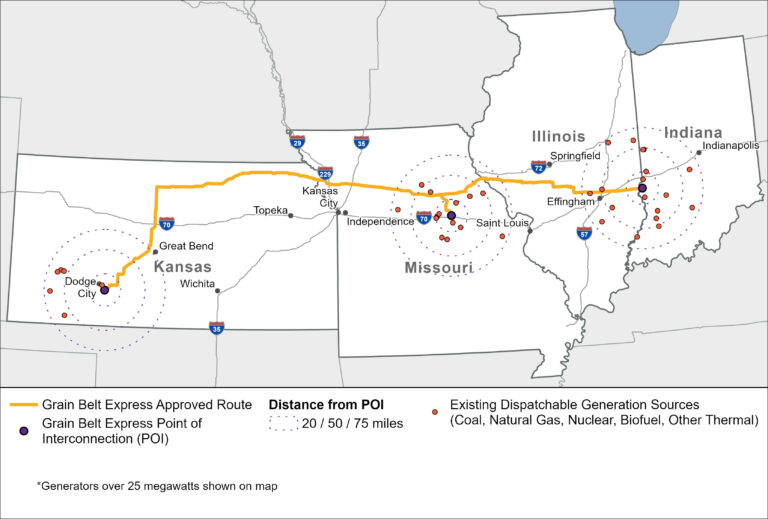
Source – Invenergy
In recent years, the state has several political leaders have worked hard to block the Grain Belt Expressway. The multi-billion dollar power line is designed to bring wind energy from western Kansas to the power grids of Missouri, Illinois and Indiana. Missouri Attorney General Andrew Bailey proposed that the Missouri Public Service Commission revoke the permit for the Grain Belt Expressway and insisted that Invergy submit documents supporting claims about the project’s economic benefits.
In an interview with Politico, Bailey stated:
“I think the project should be stopped. It does not benefit the people of the state of Missouri. It was sold under false pretenses.”
It is clear that the “war against renewable energy sources” continues. In all this – solar energy has retained its title as the country’s most popular energy sourceeven while actively repelling some support.
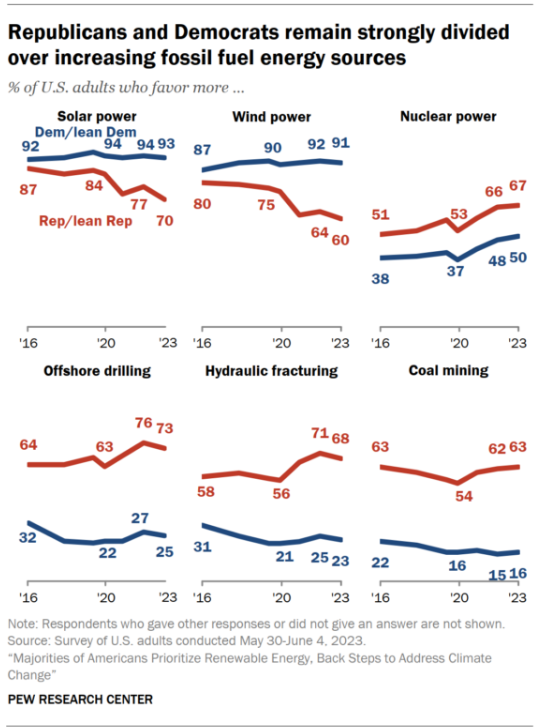
At the national level, attacks on renewable energy have increased – starting with groups like “Citizens for responsible solar energy‘who started first gaining fame working in Virginia. This group has funded and trained copycat locals to create a fake grassroots resistance.
During the Biden years, this strengthened local opposition started cracks at the edges of the solar development. State-level legislative changes, such as decommissioning requirements only apply to wind and solar energy in Texasto have spread throughout the country.
Interestingly, although people complain before solar is installed, they don’t care when there is good communicationand once it is installed.
Now under Trump, Federal attacks on the development process have also increased. Of course, not all hope is lost, like even Texas won’t bite are gift horse for wind, solar and storage networks – and also nationally, with another almost 50 GW of capacity expected.
This content is copyrighted and may not be reused. If you would like to collaborate with us and reuse some of our content, please contact: editors@pv-magazine.com.
Popular content

