

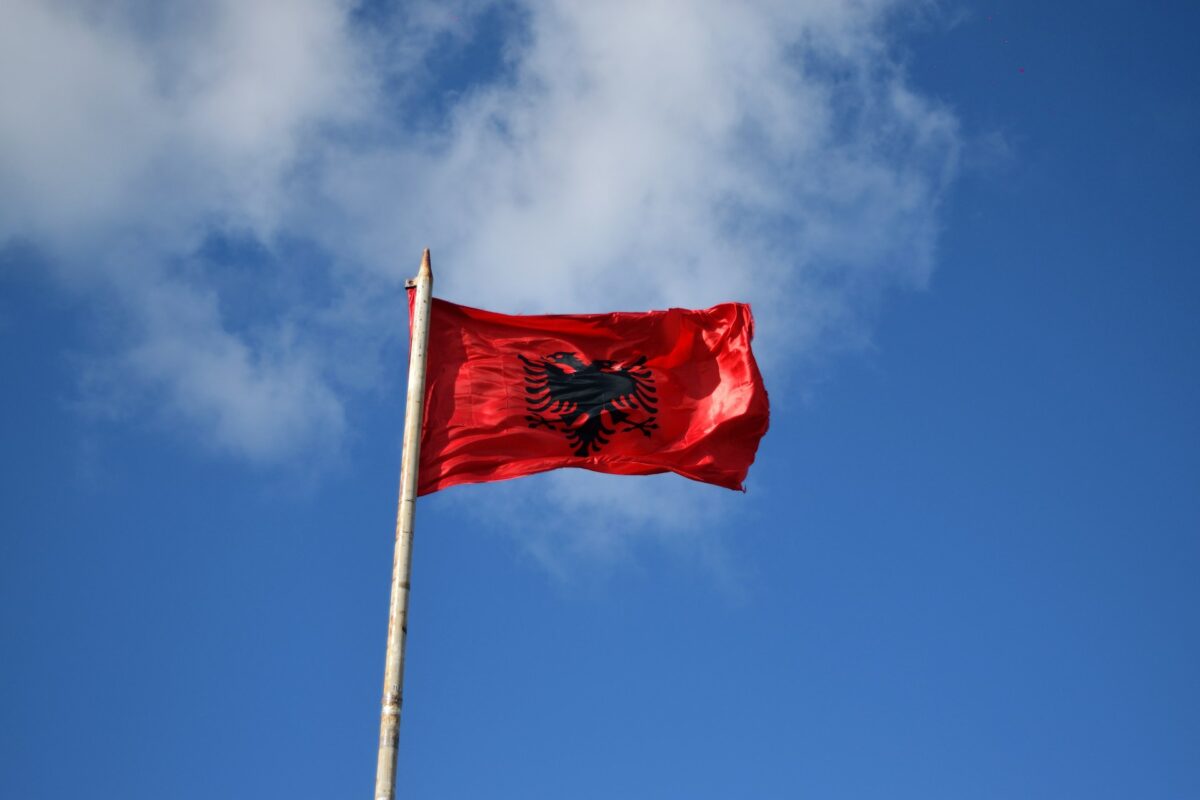
Albania’s cumulative solar capacity is now likely to be between 600 MW and 650 MW, with installations to date led by the utility segment and growing interest from the C&I market.
Albania adding about 180 MW to 210 MW of solar capacity by 2025, according to analysis by Dr. Lorenc Gordani, an energy market and regulatory lawyer and lecturer.
Gordani said pv magazine that the estimate, based on market observations and project tracking, puts Albania’s total solar capacity at approximately 600 MW to 650 MW.
He explained that the utilities market is currently Albania’s main growth driver, with the country attracting increasing interest from international investors, especially from developers already active in Southeastern Europe.
“The market has gradually moved towards market-based sustainable investments, with commercial projects playing a more prominent role,” Gordani explains, adding that several commercial solar projects have made progress. allow and construction last year, reflecting investor confidence in Albania’s developing electricity market.
Gordani cited the 50 MW Belsh PV project, located about 50 km south of the capital Tirana, as an example of a key site under development. Financing for the project has been secured, including a €30 million ($34.3 million) loan from the European Bank for Reconstruction and Development and a Western Balkans Investment Framework grant totaling approximately €9.25 million, with the project currently in the tender and pre-construction phase.
The Albanian C&I solar market is gaining momentum, Gordani continued, explaining that industrial customers are increasingly viewing rooftop solar as a tool to hedge against market price volatility. And while residential solar currently makes up the smallest share of the Albanian solar market, Gordani says interest is increasing as the technology becomes more accessible and awareness increases. “However, growth in this segment still depends on regulatory simplification and better access to financing mechanisms,” he pointed out.
Gordani said that while the outlook for solar in Albania remains structurally positive, the pace of new installations could become investment-driven rather than policy-driven. “The early phase of the market was mainly focused on capacity expansion, supported by auctions and favorable conditions,” he explains. “The next phase of development is likely to increasingly depend on the bankability of investments and the conditions for system integration.”
Gordani suggested clearer and more transparent procedures for grid connection, the development of power purchase agreement (PPA) frameworks for companies and clearer rules for the allocation of curtailment risks would help further strengthen the Albanian solar market.
He also recommended better market integration with regional power exchanges and stronger frameworks for energy storage and system flexibility, which he said will be essential to maintain system stability while continuing to attract investment as solar penetration increases.
“Regulatory and sector discussions in 2025 increasingly focused on the management of grid connection capacity, the role of energy storage and system flexibility, and the digitalization of the distribution system, including the planned rollout of smart meters and modernization measures within [Albanian electricity distribution operator] OSHEE,” Gordani also said pv magazine. “These discussions reflect the gradual transition of Albania’s renewable energy sector from an auction-driven phase to a more market-driven investment environment.”
Although no new solar auctions were completed last year, discussions on potential future renewable energy tenders in Albania continued, Gordani added. Albania organized its first unsubsidized large-scale solar energy project in 2024. Received the tender for 300 MW 283.93 MW of project proposals at an average price of €0.0513 ($0.059)/kWh.
This content is copyrighted and may not be reused. If you would like to collaborate with us and reuse some of our content, please contact: editors@pv-magazine.com.
