

Researchers at the Fraunhofer Institute for Solar Energy Systems ISE have reduced silver consumption in the metallization of solar cells to 1.1 mg/Wp using an electrodeposition-based process, compared to current levels of 10-12 mg/Wp.
Tunnel oxide passivated contact cells (TOPCon), which currently dominate global crystalline silicon production, consume more silver than previous technologies such as PERC, making them particularly sensitive to price volatility. The silver price, on the other hand, has remained at a high level in recent months.
Researchers from the Fraunhofer Institute for Solar Energy Systems ISE (Fraunhofer ISE) have now significantly reduced silver consumption in TOPCon solar cells. Using an electrodeposition-based metallization process, the team reduced silver usage to 1.1 mg/Wp, compared to current levels of 10-12 mg/Wp.
The approach is based on a hybrid metallization process that combines high-precision ultraviolet laser structuring with electrochemical metal deposition. Nickel serves as a diffusion barrier to prevent copper migration into silicon, copper provides the main electrical conduction, and silver is limited to a thin coating to protect against oxidation.
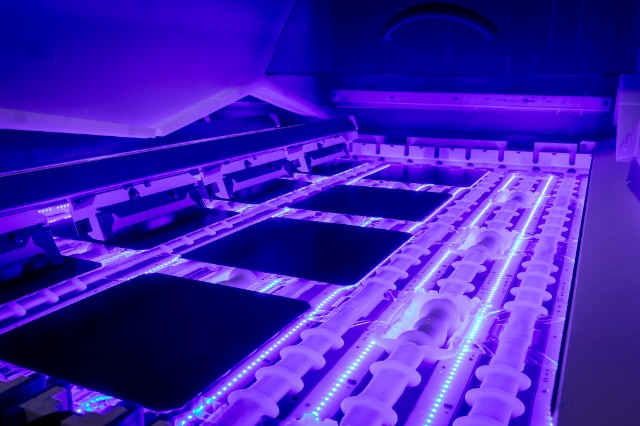
The process has been implemented in pilot systems in collaboration with RENA Technologies GmbH, using inline electroplating equipment. Tests with M10 size cells achieved an efficiency of 24%, in line with conventional screen printing cells using silver pastes. The researchers also reported a fill factor of approximately 82.1%, indicating low contact resistance and good electrical performance.
Industrial viability was demonstrated under the umbrella of the EURO and SHINE PV research projects, processing multiple TOPCon batches. Modules produced from these cells have passed the IEC 61215 reliability test, demonstrating stability comparable to established technologies.
Electrodeposition of metal contacts is not new in the photovoltaic sector. Research has already been conducted in heterojunction (HJT) and interdigitated back contact (IBC) cells to fully or partially replace silver with copper. However, applying these approaches to TOPCon is more challenging due to the absence of transparent conductive oxide (TCO) layers, requiring additional solutions such as nickel interlayers.
Copper-based electrodeposition metallization also offers supply chain benefits. It reduces dependence on geographically concentrated silver supply and benefits from a more diversified global copper market, including materials, equipment and chemical inputs.
However, scaling up the technology comes with challenges. Integrating electroplating tools into existing production lines requires significant capital investments. Additionally, maintaining process uniformity, repeatability and compatibility with high-throughput manufacturing remains critical.
Research is also underway to reduce silver use in screen printing, including hybrid silver-copper or pure copper pastes. These approaches face technical limitations in TOPCon, supporting interest in electrodeposition as an important pathway for silver reduction.
Nickel and copper-based electrodeposition metallization could reach commercial application within two to three years, providing potential reductions in material costs while improving supply chain resilience and sustainability.
This content is copyrighted and may not be reused. If you would like to collaborate with us and reuse some of our content, please contact: editors@pv-magazine.com.
