

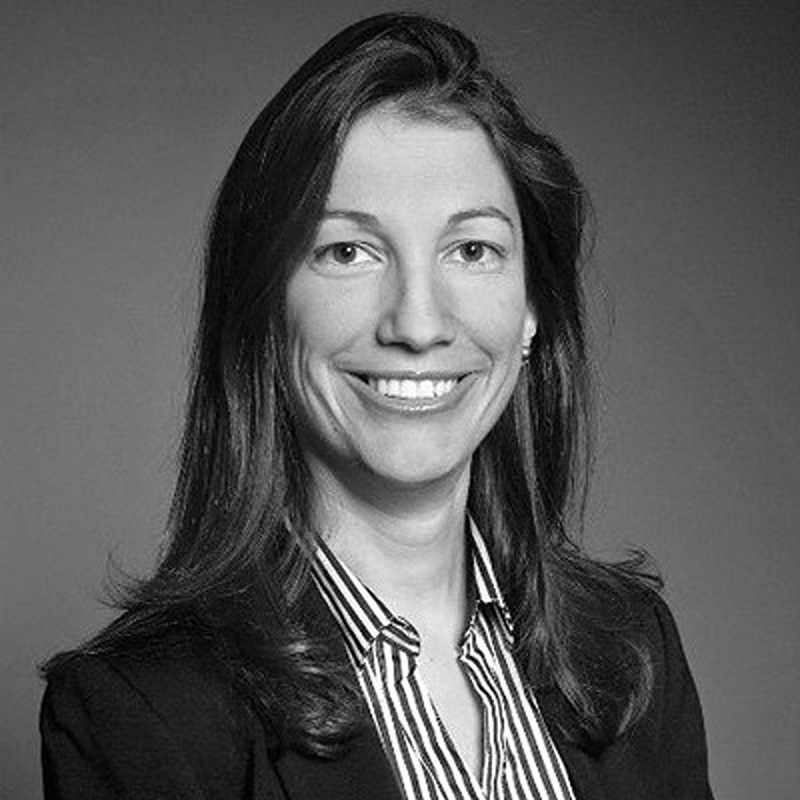
This week, Women in Solar+ Europe gives the voice to Carla Vico, CEO of the French Green Solver. She says building an inclusive culture means valuing people for their work, responsibility and dedication, not their gender or background. “I don’t believe in affirmative action; I believe in creating equal opportunities and making merit-based decisions,” she says.
The solar energy, energy storage, EV charging and grid infrastructure sectors are still relatively young industries. Many of the companies operating in this space are built with diversity and inclusion as part of their DNA, creating a real opportunity to shape more balanced leadership and ways of working from the start.
Of course, this is not the full picture. There are still large, traditional energy companies transitioning to renewables, where gender diversity often exists more on paper than in reality, with boards that remain predominantly male. However, this is changing. In the sustainable energy sector, more and more companies are bringing women into board and management positions. For women, this makes the sector a particularly attractive place to build a career: the sector is dynamic, fast-growing and increasingly open to diverse leadership and perspectives.
In my own experience, mentorship has been one of the most important drivers of growth. Whether formal or informal, internal or external, the people you learn from determine how you evolve as a professional. I have been fortunate to work with managers who genuinely supported my development and encouraged me to challenge myself. Following leaders who push you, trust you and show you what excellence looks like really makes a difference.
While training programs and coaching can also be valuable, I believe the greatest impact comes when you have a strong manager who provides effective leadership on a daily basis. This is something I often emphasize: if you don’t have the right manager or aren’t challenged enough, don’t be afraid to make a change. Your environment is important.
As a senior leader, I approach inclusion from a perspective of fairness and performance. To me, building an inclusive culture means valuing people for their work, responsibility and dedication, rather than their gender or background. I don’t believe in positive discrimination; I believe in creating equal opportunities and making merit-based decisions.
What I find particularly encouraging is how this approach naturally challenges stereotypes. For example, in our engineering team in France we have more women than men, while in our accounting team we have more men than women. This balance did not come from quotas, but from a focus on skills, development and performance. This is how inclusivity becomes real and sustainable, and this is the way we work at Greensolver.
Over time, I’ve seen clear evidence that diverse teams perform better. Both through management training and direct experience, I have learned that performance improves when teams are built around complementary strengths. The goal should not be to make everyone the same, but to understand what each individual is best at and enable them to build on those strengths.
I remember a project in which we brought together a very analytical profile, a strong operational executor and a strategic, people-oriented leader. This combination enabled us to make faster decisions, manage risks more effectively and maintain alignment during a particularly challenging phase. Diversity goes beyond gender in this sense, but mixed gender teams often bring different perspectives that reinforce this balance and lead to stronger results.
For organizations that want to retain and develop diverse talent, priorities must be clear. People stay where they feel trusted, valued and supported. This means providing fair opportunities, meaningful challenges and equal access to development, visibility and responsibility at all levels.
It also requires a culture where diverse perspectives are actually heard and not just represented. Understanding individual strengths and creating the right environment for people to grow is much more effective than relying on rigid diversity targets. If people feel that their contribution matters and that they are given the space to develop, involvement and performance will follow automatically.
For young women entering the renewable energy sector today, my advice is simple. Start by understanding your strengths and build your career around them. Focus on developing what you are good at, rather than trying to fit into a predefined model.
Finding the right manager or mentor is essential, someone who challenges you, trusts you and supports your growth. Don’t be afraid to ask for responsibility or visibility, and if you don’t find the right environment to develop, be willing to move on.
The sustainable energy sector is expanding rapidly, and that growth brings opportunities. For those willing to learn, adapt and take ownership of their development, it offers the opportunity to build a strong and fulfilling career.
Carla Vico is CEO at Greensolver, a leading independent asset manager and technical advisor focused on renewable energy sources. With more than 20 years of experience in the sustainable energy sector, she has held senior positions in operations, asset management and technical consultancy, in Spain, France and internationally. After working at Iberdrola for several years, in operational teams, she joined Greensolver in 2013. Since then, Carla has played a key role in growing the company from a small startup to a recognized independent service provider across Europe. Now, as CEO, she oversees the company across multiple markets in Europe. She is passionate about building high-performing teams, operational excellence and driving a pragmatic, people-centric energy transition.
Interested in participating Carla Vico and other female market leaders and experts at Women in Solar+ Europe? More information: www.wiseu.network
The views and opinions expressed in this article are those of the author and do not necessarily reflect those of the author pv magazine.
This content is copyrighted and may not be reused. If you would like to collaborate with us and reuse some of our content, please contact: editors@pv-magazine.com.
