

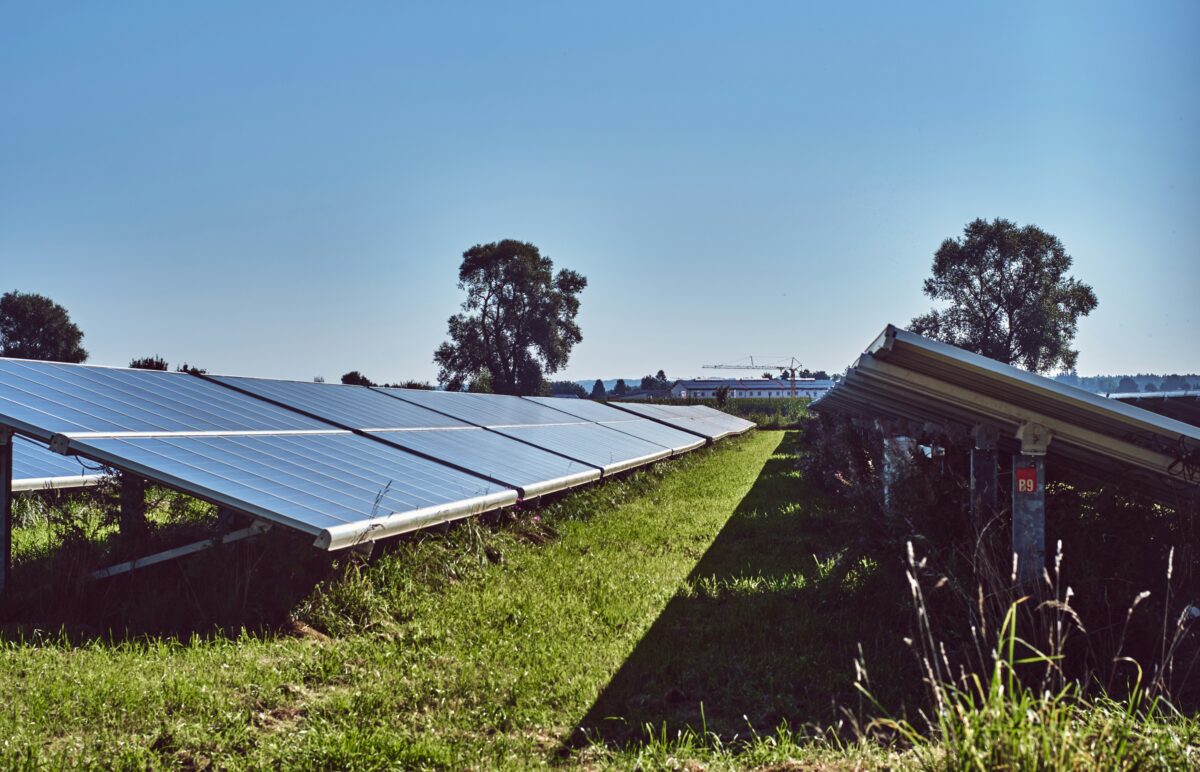
A SolarPower Europe scenario analysis, modeled by Rystad Energy, shows that accelerating the deployment of solar power and battery storage could save the European Union €223 billion ($260.7 billion) in gas imports between 2026 and 2030 and reduce wholesale electricity prices by 14% compared to 2025 levels.
The European Union is on track to miss both its 2030 solar and wind energy targets under current circumstances. Under the modeled base case, solar power is modeled at 574 GW against a target of 600 GW, while wind power is modeled at 344 GW against a target of 425 GW – a shortfall of 19%, according to a new report from SolarPower Europe.
The analysis compares a ‘business-as-usual’ base scenario with a ‘Solar+’ scenario with a higher ambition, in which the deployment of solar energy and battery storage accelerates. In the Solar+ scenario, the European Union will reach 732 GW of solar capacity and 600 GWh of battery storage capacity in 2030 – almost an eightfold increase compared to 77 GWh in 2025. The Solar+ scenario reaches a share of renewable electricity of 68%, compared to the European Commission’s indicative benchmark of 69%.
In the Solar+ scenario, the operating costs of the EU energy system will fall by 49% compared to 2025 levels, saving €55 billion annually. Wholesale prices for day-ahead electricity fall by 14% on average in selected EU markets to €63.4/MWh. Of the markets assessed, Germany and Poland see the largest day-ahead price drops, of 25% and 16% respectively. Price volatility – measured by four-hour price differences – drops by 42% in selected markets.
The report addresses concerns that higher solar penetration will undermine project economics through price cannibalization. The research shows that combining solar with battery storage will increase PV plus battery energy storage system (BESS) prices in selected markets by an average of 73%, compared to standalone PV capture prices in 2025, with capture rates reaching 84%.
In terms of energy security, the report calculates that PV will have avoided €27.4 billion in gas import costs into the EU by 2025. In the Solar+ scenario, annual savings will reach €53.3 billion by 2030, with cumulative savings of €223 billion between 2026 and 2030. The report notes that solar energy alone has saved the EU €8.5 billion in gas import costs since the start of the conflict in the Middle East, at the time of publication.
SolarPower Europe calls for an EU flexibility strategy with a dedicated action plan for battery storage, aligned with the existing EU target of 200 GW of storage by 2030, and a coordinated EU action plan for electrification. The report identifies structural and regulatory barriers, not technological ones, as the main barriers to implementation.
The Solar+ report was written by Raffaele Rossi and colleagues at SolarPower Europe, with models by Marius Mordal Bakke, Håkon Sletsjøe and Fabian Rønningen at Rystad Energy.
Solar+’s findings extend analysis that SolarPower Europe has developed as solar deployment in the EU has accelerated but grid and market constraints have increased. The European Union installed 65.1 GW of solar power in 2025, but grid constraints now mean more than 120 GW renewable capacity that are at risk across the bloc, underscoring the structural barriers identified in the latest report. European solar energy production is also lagging significantly behind its own industrial targets, adding a supply chain dimension to the implementation challenge.
This content is copyrighted and may not be reused. If you would like to collaborate with us and reuse some of our content, please contact: editors@pv-magazine.com.
