

Indian solar manufacturer Waaree Energies is looking to expand in Europe as the EU Net-Zero Industry Act (NZIA) reforms solar sourcing requirements and the supply chain. It says its size, bankability and track record of multi-gigawatt production will enable it to meet stricter European requirements for supply chain resilience and traceability.
Indian solar producer Waaree Energies wants to deepen its presence in Europe as the NZIA of the European Union reforms solar energy purchasing and imposes stricter restrictions on Chinese module suppliers.
The NZIA is prioritizing supply chain resilience, reduced dependence on single-country sources such as China, sustainability and full traceability – criteria that are increasingly influencing public procurement and renewable energy auctions across Europe. These changes create new opportunities for non-Chinese manufacturersespecially from India.
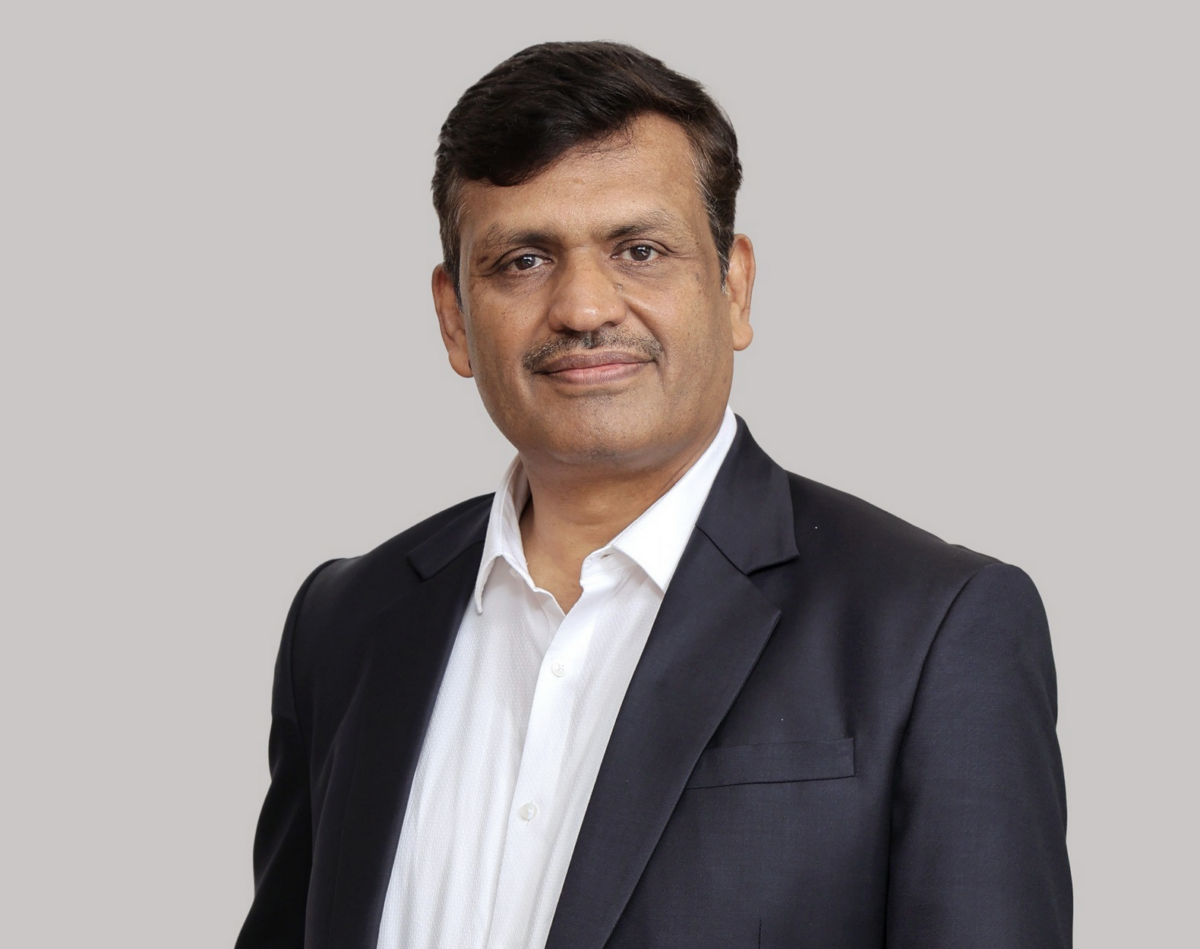
“With the NZIA placing a strong emphasis on supply chain resilience, independence, sustainability and full traceability, Waaree is exceptionally well positioned to support Europe’s clean energy transition,” Sunil Rathi, executive director of Waaree Group, said. pv magazine. “As a publicly traded, Tier-1 and bankable manufacturer with a proven global track record in multi-gigawatt, we bring the scale and credibility that European developers and utilities are now prioritizing.”
Waaree currently operates 22.3 GW of global solar module manufacturing capacity in India and the US, along with 5.4 GW of solar cell capacity. The US manufacturing footprint totals 2.6 GW, including 1.6 GW of tunnel oxide passivated contact (TOPCon) capacity in Texas and 1 GW of heterojunction (HJT) capacity in Arizona acquired from Meyer Burger, with another 1.6 GW in progress. The company expects to reach nearly 5 GW of solar production capacity in the US by March.
While the US has been Waaree’s largest export market, the company is now actively exploring markets outside North America as it continues to scale up its capacity. According to Rathi, Waaree is closely monitoring geopolitical developments and potential free trade agreements involving India, including with the European Union, the United Kingdom, Australia, Gulf Cooperation Council (GCC) countries and Africa.
Solar modules are currently responsible for the majority of Waaree’s turnover. However, the company expects its transformer business to contribute meaningfully to group revenues in the 2026-2027 financial year as capacity increases.
Waaree entered the transformer segment through the takeover of Kotsonsa transformer manufacturer with more than 45 years of operational history. Kotsons has exported transformers to more than 30 countries, including markets in the Middle East, Europe, Africa, UK, US and Canada.
Waaree this year launched inverter transformers with capacities of 78.6 MVA, 75.6 MVA and 17.6 MVA, and is targeting production of 220 kV, 170 MVA power transformers by the middle of next calendar year.
In addition to transformers, the company has expanded its product portfolio with the launch of a 350 kW string inverter designed and manufactured in Indiasingle-phase and three-phase smart meters, tailored to India’s smart grid transition, and Waaree Autonova – an automated guided vehicle (AGV) focused on automation on the production floor.
“As a company, we have consistently pursued backward integration – from modules to cells, blocks, wafers, frames and junction boxes, and soon to glass and other components,” said Rathi.
Through its engineering, procurement and construction (EPC) unit, Waaree RTL, the company is currently executing 5.1 GW of projects in India and expanding into the Middle East, Eastern Europe and South Africa. A project in Southeast Asia is expected to begin ground operations in the first quarter of the next calendar year.
Europe, Rathi noted, is witnessing renewed momentum in renewable energy deployment. India’s cost competitiveness and technical expertise enable Waaree to competitively bid for full EPC projects, especially in Eastern Europe, where the company expects to scale up its operations from 2026.
This content is copyrighted and may not be reused. If you would like to collaborate with us and reuse some of our content, please contact: editors@pv-magazine.com.
