

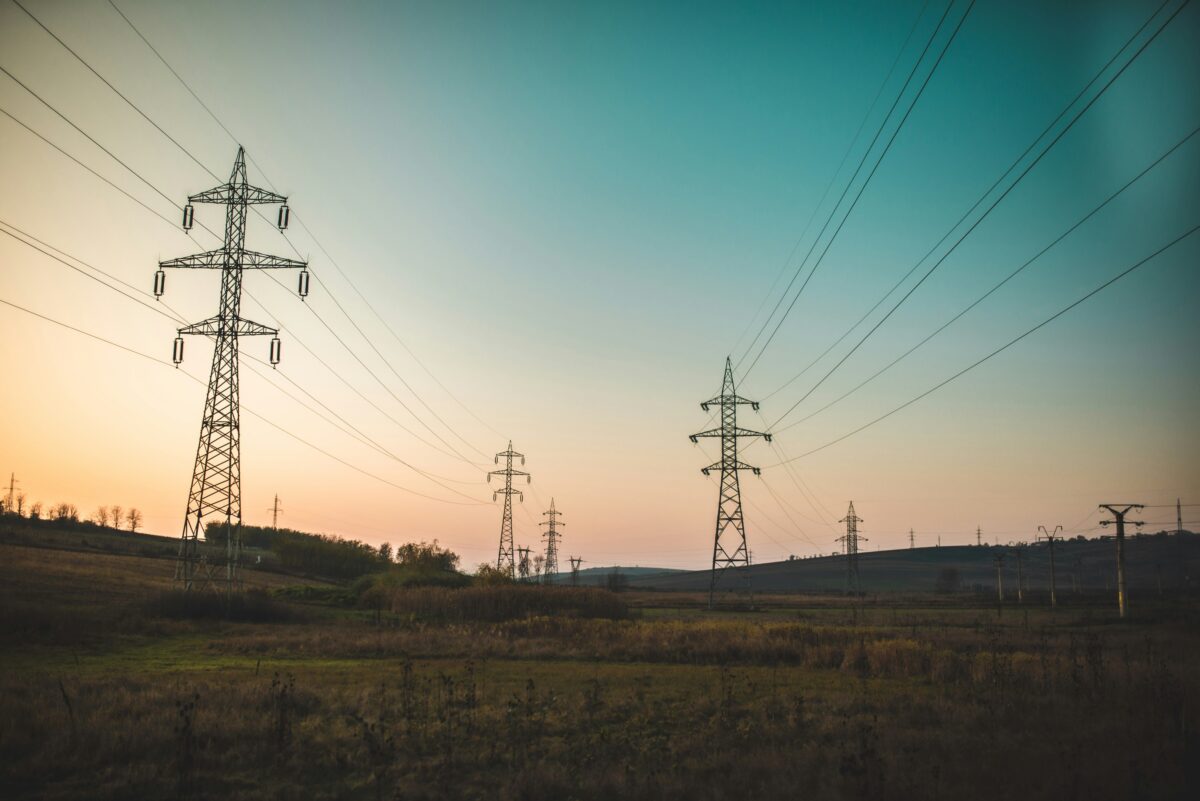
In recent months, Germany has experienced widespread negative electricity prices due to high solar energy production and low demand during midday hours. The trade organization BNE calls the situation avoidable and calls for accelerated deployment of storage, smarter charging of electric vehicles, faster rollout of smart meters and more flexible network and market integration to better absorb sustainable surpluses.
Germany currently experiences widespread negative electricity prices, especially during the day, when strong solar energy production coincides with low demand. Day-ahead prices for last Saturday, published on EPEX SPOT, indicate values at or below €0/kWh between 9:30 a.m. and 4:45 p.m.
The German Association for New Energy Economy (bne) describes the situation as an “avoidable situation” and urges the government to take seven countermeasures. “The entire situation is as frustrating as it is unnecessary. We would have sufficient storage capacity and other flexibility options if these solutions were not held back,” the association said in a statement, noting that the legal changes currently being discussed would not solve the problem.
According to the BNE, barriers to large-scale battery storage need to be removed to enable faster grid connections and shift excess solar generation to the evening peak, when demand is typically higher and gas-fired power plants set prices. “The Grid Connection Package should become an acceleration package for granting storage permits,” the association said.
It also calls for better integration of more than 20 GWh of residential PV storage into market and grid activities, supported by a regulatory framework that avoids perverse incentives.
Further measures include making smart charging – and ultimately bi-directional charging – standard for electric vehicles (EVs), supported by smart meters and improved data processing capabilities among grid operators. The association estimates that electric vehicles represent approximately 100 GWh of storage capacity.
The bne is also calling for an accelerated rollout of smart meters, which would allow consumers to shift demand to periods of low or negative prices and ease grid restrictions.
In addition, it wants rooftop PV systems to respond more strongly to price signals, including a more accessible shift to direct marketing ahead of the end of the so-called EEG feed-in tariff scheme. All generation resources, including conventional plants, must be fully controllable to allow curtailment during periods of high renewable production.
As a final measure, the association emphasizes the digitalization of the electricity grid and the introduction of dynamic network tariffs under the AgNes framework. “The grid crisis must be overcome. These measures can significantly reduce negative electricity prices, reduce system costs and efficiently use sustainable surpluses,” the bne said.
This content is copyrighted and may not be reused. If you would like to collaborate with us and reuse some of our content, please contact: editors@pv-magazine.com.
