

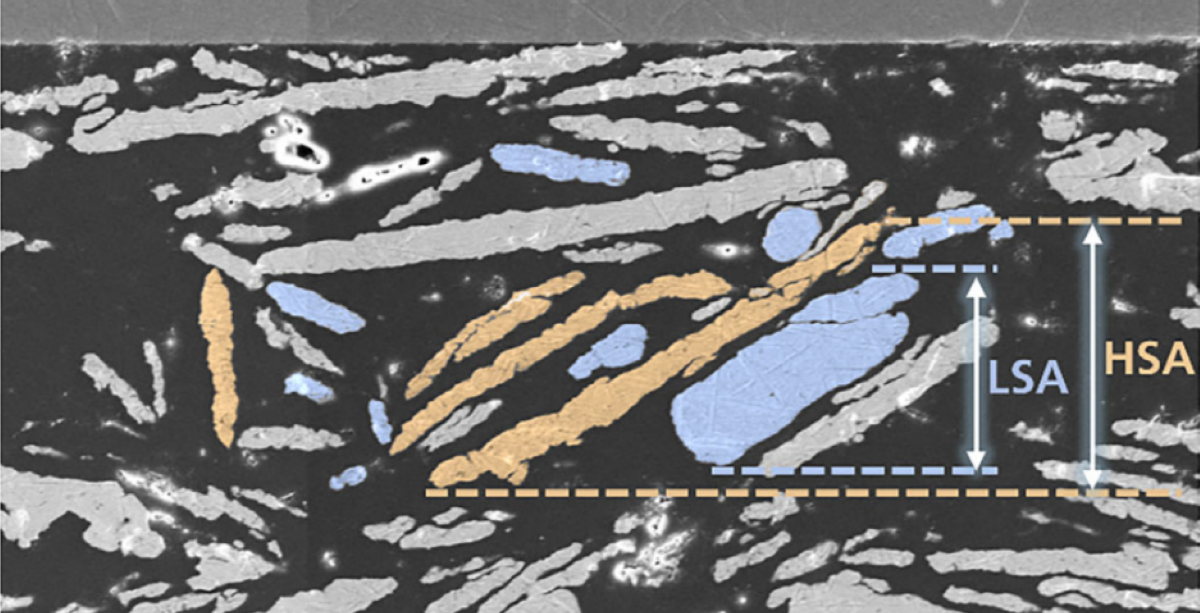
The German research institute ISC Konstanz has developed a new method to measure the contact resistance of solar cell connections made with electrically conductive adhesives (ECA). The proposed approach reportedly enables the accurate characterization of both contact resistance and bulk resistance.
Researchers from the International Solar Energy Research Center Konstanz (ISC Konstanz) in Germany have developed a new method to measure the contact resistance of solar cell connections made with electrically conductive adhesives (ECAs).
ECAs are made of adhesive polymers with embedded metallic filler particles, such as silver. They can be used in solar PV designs based on ribbon, gravel and conductive backsheet connections. They can also be used in the production of silicon heterojunction (SHJ) and tandem perovskite silicon cells.
The proposed approach reportedly enables the accurate characterization of both contact resistance and bulk resistance. “Better ECA adhesion measurements enable the optimization of ECA material formulations, for example by using more or less filler, or using different filler shapes, or depositing different geometries of the ECA material on the bonding surfaces,” says Daniel Tune , group leader of tandems and new materials at ISC Konstanz, explains pv magazine. Such ECA changes are relevant to efforts to reduce production costs without negatively impacting performance.
The scientists explained that two electrical measurements important for optimizing the use of ECA are contact resistance and bulk resistance. Bulk resistance can be measured easily, but contact resistance measurements are more difficult because the calculated resistance values can be highly dependent on samples and preparation conditions, making it difficult to compare prototypes in other laboratories or by other teams.
“Now both resistance measurements can be recorded across a wide range of samples using the ISC method, which combines both a dedicated measurement unit and sample design with new algorithms to extract the correct resistance values from data sets consisting of hundreds of individual measurements,” explains Tune out. .
When asked about the transfer of the ECA characterization technology, Tune said that measurements are currently offered as a service to industry and that the team is working to find partners for commercialization.
A demonstration of the characterization technology is described in the study “The effects of increasing filler loading on the contact resistance of connections based on silver-epoxied conductive adhesives and silver metallization pastes,” published by Progress in photovoltaics.
Popular content
The research showed how optimizing both bulk and contact resistance parameters enabled a “significant” reduction in silver while maintaining a “comparable” level of product performance. The article was the result of a collaboration between researchers from ISC Konstanz, Anhalt University of Applied Sciencesand the Fraunhofer Center for Silicon Photovoltaics (CSP).
“We wanted to develop a method for a reproducible and reliable measurement of the contact resistance of ECA-metal interfaces and were confident that with the right measurement setup and statistical treatment this should be possible,” said the study’s lead researcher Maria Ignacia Devoto Acevedo. Edition.
“This is a great example of how a new technique to measure the fundamental properties of a material system can reveal commercially important vectors in materials R&D that were previously unknown or only known on a qualitative basis,” said Tune.
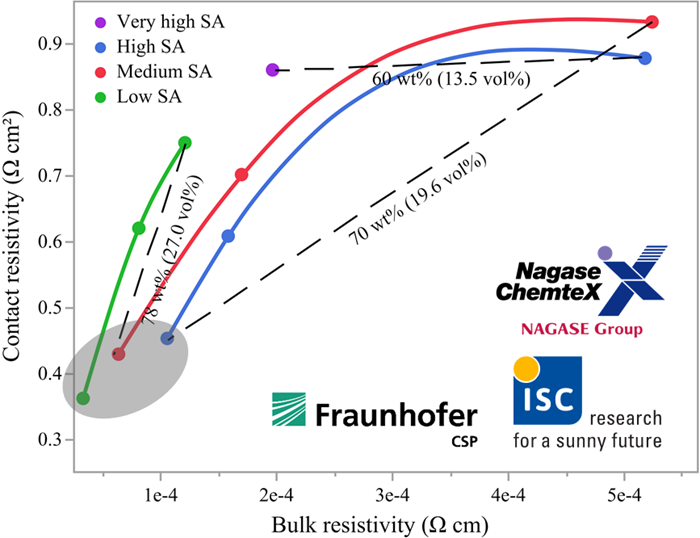
Image: ISC Konstanz
This content is copyrighted and may not be reused. If you would like to collaborate with us and reuse some of our content, please contact: editors@pv-magazine.com.
