

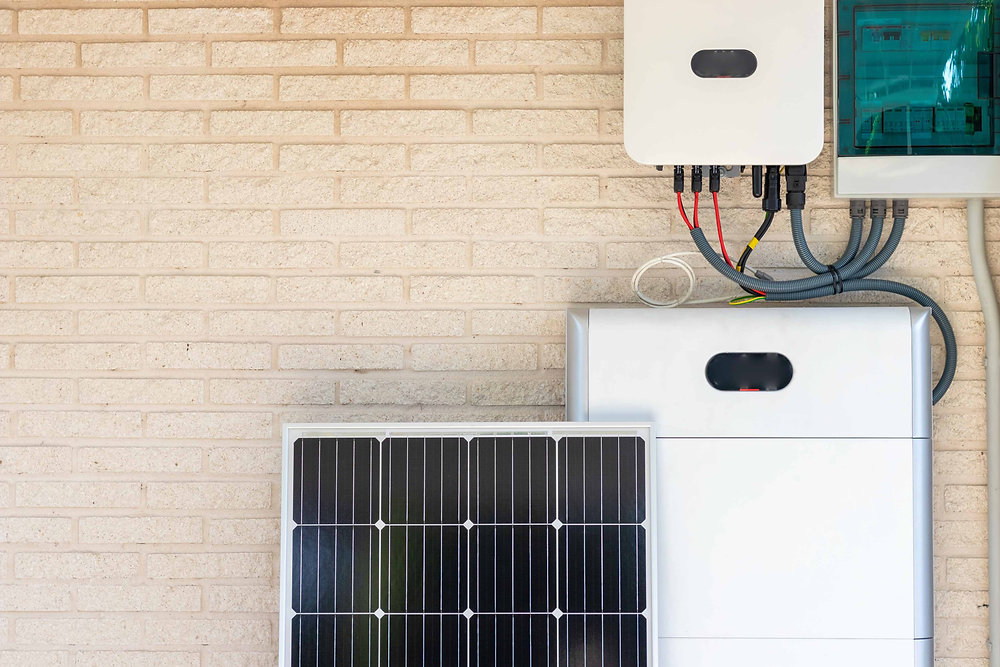
In an era where energy independence is increasingly valued, DIY battery banks have emerged as a viable solution for individuals seeking autonomy over their power supply. These self-assembled systems allow users to store energy generated from renewable sources such as solar panels or wind turbines, providing a reliable backup during power outages or a sustainable off-grid power solution. In this guide, we’ll walk you through building your own DIY battery bank, from understanding the basics to solving common problems.
Understanding battery banks
Battery banks are the heart of any off-grid or backup power system, storing electricity for later use. They consist of interconnected batteries, usually lead-acid or lithium-ion, managed by a battery management system (BMS). When selecting batteries for your DIY project, consider factors such as capacity, voltage, lifespan and cost to meet your specific energy needs.
Guarantee safety
Working with DIY battery banks can pose serious risks. Handling hazardous materials, the risk of fire and explosions, a lack of expertise, regulatory compliance issues and the absence of guarantees and professional support are major concerns. To guarantee safety, it is strongly recommended to engage professionals with expertise in the field of battery systems and energy storage installations.
DIY battery components needed
To assemble a DIY battery bank, you will need several key components:
-
Batteries: the energy storage units of the system.
-
Battery Management System (BMS): Monitors and controls the batteries to prevent overcharging or over-discharging.
-
Inverter: Converts stored DC energy into AC power for home appliances.
-
Charge controller: Regulates the flow of electricity from renewable sources to the batteries.
-
Cables and connectors: Ensure proper wiring and connections between components.
-
Housing or Enclosure: Protects the battery bank from environmental elements.
Designing your battery bank
Before installing your battery bank, calculate your energy needs and adjust the system accordingly. Determine the optimal configuration of batteries based on their capacity and voltage ratings. Design the layout of components to maximize efficiency and accessibility.
When it comes to securing your battery bank’s housing, the choice of springs can have a significant impact on its durability and functionality. Compression springs are often used to maintain pressure on components, ensure a good seal and prevent any movement or vibration that could damage batteries or other sensitive equipment.
To find the right springs for your battery bank housing, you can use the Compression spring calculator Available at RinseDB. This tool provides accurate calculations based on your specifications, allowing you to select springs that provide optimal performance and longevity for your DIY project.
Build your DIY battery bank
To begin building your DIY battery bank, the first step is to carefully assemble all the components. Start by securing a ventilated and thermally controlled environment for your battery bank to prevent overheating and ensure safety. Connect the batteries in series or parallel depending on your voltage and capacity requirements. It is essential to apply insulation material to the connections to minimize the risk of short circuits.
Then integrate the battery management system (BMS) with your batteries. The BMS is critical for monitoring the health of each battery and ensuring they charge and discharge evenly. This step requires careful wiring and attention to the manufacturer’s instructions to avoid damage to the batteries or BMS.
After the BMS installation, concentrate on connecting the inverter and the charge controller. The inverter plays a crucial role in converting direct current stored in the batteries into alternating current suitable for home appliances. Meanwhile, the charge controller regulates the flow of electricity from renewable sources, preventing overcharging. Ensure that the cables and connectors used are of sufficient thickness and compatible with the power requirements of your system.
Finally, test your DIY battery bank in a controlled environment before fully deploying it. Start with a low load and gradually increase the capacity of your system, carefully observing the response of each component. This testing phase is critical in identifying and troubleshooting potential problems so that your battery bank operates safely and efficiently.
Keep in mind that building a DIY battery bank can be rewarding, but prioritizing safety and adhering to local regulations and standards is paramount. This includes ensuring proper ventilation, wearing protective clothing, mounting the batteries safely, using insulation and protective covers, following proper wiring procedures, and disconnecting power before working on the system.
By staying informed about battery chemistry and best practices, and seeking professional help when necessary, you can minimize the risk of accidents and ensure the safe operation of the battery bank. In addition, take maintenance into account and check for wear regularly so that your system remains reliable for years to come.
Install and maintain your battery bank
Place your battery bank in a suitable location and connect it to your energy source, if necessary solar panels, wind turbines or a grid connection. Establish a maintenance routine to monitor battery health, clean and inspect components, and replace worn parts as necessary. Do not place the battery bank in direct sunlight or anywhere where it may experience extreme elements or temperature fluctuations, as this may affect the life of your batteries or even hinder their use.
In any case, make sure that your battery bank is not located in a place where there could be a fire hazard. Common battery types, such as lithium-ion, can pose a serious fire hazard if damaged, dropped, or improperly charged/discharged.
Troubleshoot common battery bank problems
Be prepared to troubleshoot common problems that may arise with your DIY battery bank, including:
-
Overcharging: Check whether the charge controller is functioning properly and is set correctly. Make sure the charging voltage is within the recommended range for your batteries to avoid overcharging, which can lead to shorter battery life.
-
Charging too little: If your batteries are not reaching full capacity, investigate possible causes such as a faulty connection, incorrect settings on the charge controller or insufficient sunlight for solar systems. Adjustments may be necessary to optimize charging performance.
-
Battery imbalance: Monitor the individual cells or battery units within your bank to detect voltage or charge imbalances. If necessary, rebalance the batteries to ensure uniform performance and prevent damage to specific cells.
-
Faults in the inverter: If your inverter does not effectively convert DC power to AC power, check for loose connections, blown fuses, or errors in the inverter’s settings. Use caution when handling electrical components and consult the manufacturer’s guidelines for troubleshooting steps.
-
Problems with the charge controller: If the charge controllers are not working properly, inspect the wiring, settings and overall condition of the device. Watch for error codes or unusual behavior that may indicate a problem with the charge control process.
Maximizing service life
Implement strategies to optimize the performance of your battery bank and extend its life. Regular maintenance, proper operating practices (such as maintaining a reasonable temperature), and upgrade options for future expansion or improvement can increase the efficiency and reliability of your system.
DIY battery banks can be worth it
By building your own DIY battery bank you can take control of your energy supply, whether it’s backup power during emergencies or sustainable off-grid living. By understanding the basics, selecting the right components, and following best practices in assembly and maintenance, you can create a reliable system tailored to your needs. Start your journey to energy independence today and embrace the freedom of DIY energy solutions.
