
Close Menu
  • News
  • Industry
  • Solar Panels
  • Commercial
  • Residential
  • Finance
  • Technology
  • Carbon Credit
  • More
    • Policy
    • Energy Storage
    • Utility
    • Cummunity
What's Hot

Dutch solar owners asked to switch off during peak periods to ease the distribution crisis

June 7, 2026

The hydrogen flow: Toyota demonstrates its racing prototype on liquid hydrogen

June 7, 2026

Era of electrification exposing Australia’s weakest link

June 6, 2026
Facebook X (Twitter) Instagram
Solar Energy News
Monday, June 8
  • News
  • Industry
  • Solar Panels
  • Commercial
  • Residential
  • Finance
  • Technology
  • Carbon Credit
  • More
    • Policy
    • Energy Storage
    • Utility
    • Cummunity
Solar Energy News
Home - Technology - A few micrograms of particulate matter is enough to affect solar energy generation – SPE
Technology

A few micrograms of particulate matter is enough to affect solar energy generation – SPE

solarenergyBy solarenergyOctober 1, 2024No Comments3 Mins Read
Facebook Twitter Pinterest LinkedIn Tumblr Email
Share
Facebook Twitter LinkedIn Pinterest Email

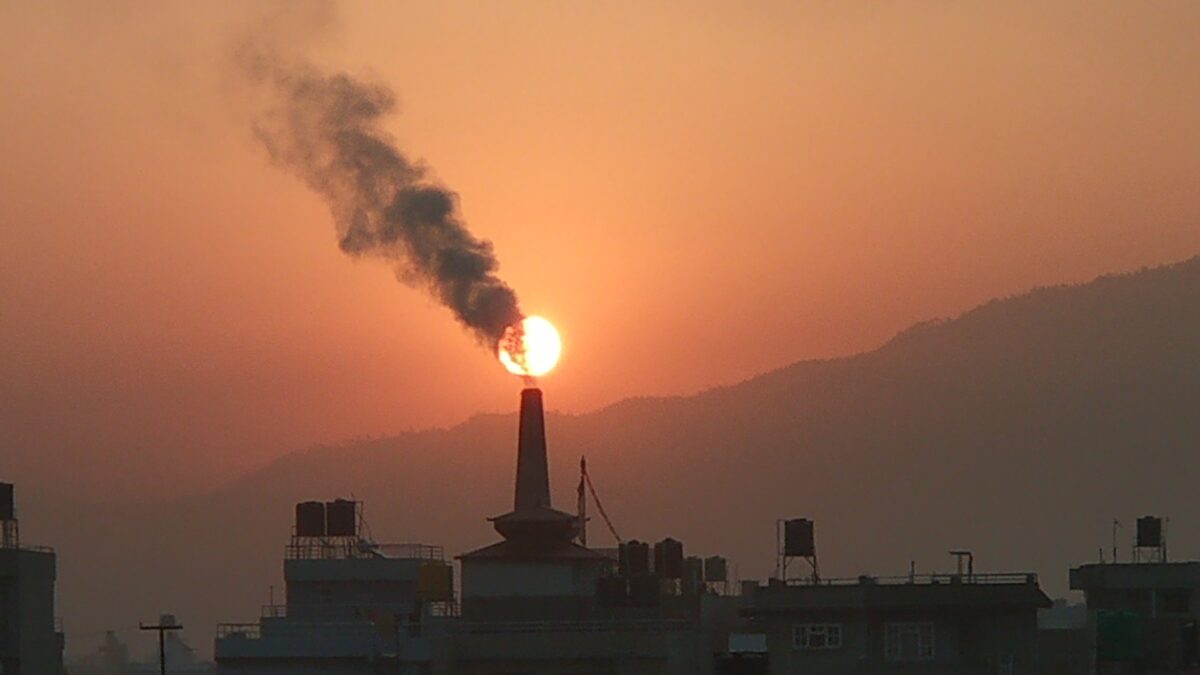
New research from South Korea has shown that even a 10 μg/m3 increase in particulate matter in the atmosphere can significantly reduce solar energy generation and impact the revenues of PV system owners.

October 1, 2024 Emiliano Bellini

A research team from George Mason University Korea investigated the effect of air pollution on solar power generation in South Korea and found that even a small amount of airborne particles can result in significant economic losses for PV system operators.

“This study shows that air pollution significantly hinders solar energy production in South Korea,” said the study’s lead author, Moon Joon Kim. pv magazine. “We found that even a small increase in air pollution can lead to a substantial decrease in the amount of electricity that solar panels can generate, costing millions of dollars annually. This highlights the urgent need to clean our air, not only for our health, but also to unlock the full potential of solar energy as a clean and affordable alternative to fossil fuels.”

In particular, the scientists sought to quantify the magnitude of sunlight-absorbing coarse particles (PM10) on solar energy generation and investigated how this impact may vary over time or show delayed effects. Their analysis also took into account the pollution effects caused by these particles and relied on a dataset of hourly data on PV energy production, air pollution and meteorological conditions in South Korea from 2006 to 2013.

The group also took wind direction into account to obtain accurate estimates of the potential endogeneity of PM10. “We use the Newey-West instrumental variable regression model, using wind direction as an instrument for PM10,” it explains. “This approach allows us to obtain unbiased estimates of the causal relationship between air pollution and solar energy generation.”

See also  DTE is breaking ground on three new solar projects funded by volunteer customers

The analysis showed that a 10 mg/m3 The increase in PM10 concentration resulted in a total reduction in solar energy generation per hour by 2.17 MWh, or a total loss of 152.2 GWh. Taking into account solar prices in South Korea, the researchers estimate that these values ​​translate into a loss of approximately KRW 240 million ($182.7 million) for the entire country’s PV system fleet during the analyzed period.

Their findings were described in the study “Air pollution and photovoltaic power generation: evidence from South Korea”, published in Energy economics. “Our research provides compelling evidence that tackling air pollution is a crucial step toward a greener and more sustainable future for South Korea and other countries looking to expand their use of solar energy,” concluded Kim.

The group also noted that fine particulate matter (PM2.5) also affects solar radiation and said future research should examine their impact in addition to PM10. “Future research could build on these findings by expanding the analysis to other geographic contexts, examining the impact of specific air pollutants, examining the role of technological advances in mitigating the effects of air pollution on solar panels and examining the distributive consequences of air pollution on solar energy. energy generation in different socio-economic groups,” the report highlights.

This content is copyrighted and may not be reused. If you would like to collaborate with us and reuse some of our content, please contact: editors@pv-magazine.com.

Popular content

Source link

affect Energy generation matter micrograms particulate solar SPE
Share. Facebook Twitter Pinterest LinkedIn Tumblr Email
solarenergy
  • Website

Related Posts

Dutch solar owners asked to switch off during peak periods to ease the distribution crisis

June 7, 2026

Britain’s next energy dependency is already taking shape

June 5, 2026

Letter from China’s PV Industry: Arctech wins 2.1 GW solar deal

June 5, 2026
Leave A Reply Cancel Reply

Don't Miss
Solar Industry

Floating solar could reach LCOE of $0.053/kWh in Saudi Arabia

By solarenergyJanuary 23, 20250

Scientists in Saudi Arabia have assessed the techno-economic feasibility of floating PV installations at three…

Brookfield is exploring the sale of solar developer X-Elio – SPE

February 5, 2026

Solar key to make clean cooking in refugee camps possible

May 24, 2025

Spain allocates 2 billion euros to expand clean energy and industry programs

November 14, 2025
Stay In Touch
  • Facebook
  • Twitter
  • Pinterest
  • Instagram
  • YouTube
  • Vimeo
Our Picks

Dutch solar owners asked to switch off during peak periods to ease the distribution crisis

June 7, 2026

The hydrogen flow: Toyota demonstrates its racing prototype on liquid hydrogen

June 7, 2026

Era of electrification exposing Australia’s weakest link

June 6, 2026

‘Come out from behind your screen, our industry is ultimately about people’

June 6, 2026
Our Picks

Dutch solar owners asked to switch off during peak periods to ease the distribution crisis

June 7, 2026

The hydrogen flow: Toyota demonstrates its racing prototype on liquid hydrogen

June 7, 2026

Era of electrification exposing Australia’s weakest link

June 6, 2026
About
About

Stay updated with the latest in solar energy. Discover innovations, trends, policies, and market insights driving the future of sustainable power worldwide.

Subscribe to Updates

Get the latest creative news and updates about Solar industry directly in your inbox!

Facebook X (Twitter) Instagram Pinterest
  • Contact
  • Privacy Policy
  • Terms & Conditions
© 2026 Tsolarenergynews.co - All rights reserved.

Type above and press Enter to search. Press Esc to cancel.