
Close Menu
  • News
  • Industry
  • Solar Panels
  • Commercial
  • Residential
  • Finance
  • Technology
  • Carbon Credit
  • More
    • Policy
    • Energy Storage
    • Utility
    • Cummunity
What's Hot

Dutch solar owners asked to switch off during peak periods to ease the distribution crisis

June 7, 2026

The hydrogen flow: Toyota demonstrates its racing prototype on liquid hydrogen

June 7, 2026

Era of electrification exposing Australia’s weakest link

June 6, 2026
Facebook X (Twitter) Instagram
Solar Energy News
Sunday, June 7
  • News
  • Industry
  • Solar Panels
  • Commercial
  • Residential
  • Finance
  • Technology
  • Carbon Credit
  • More
    • Policy
    • Energy Storage
    • Utility
    • Cummunity
Solar Energy News
Home - Solar Industry - Astrobotic, Honda -developing vertical solar, storage solution for lunar missions
Solar Industry

Astrobotic, Honda -developing vertical solar, storage solution for lunar missions

solarenergyBy solarenergyOctober 7, 2025No Comments3 Mins Read
Facebook Twitter Pinterest LinkedIn Tumblr Email
Share
Facebook Twitter LinkedIn Pinterest Email

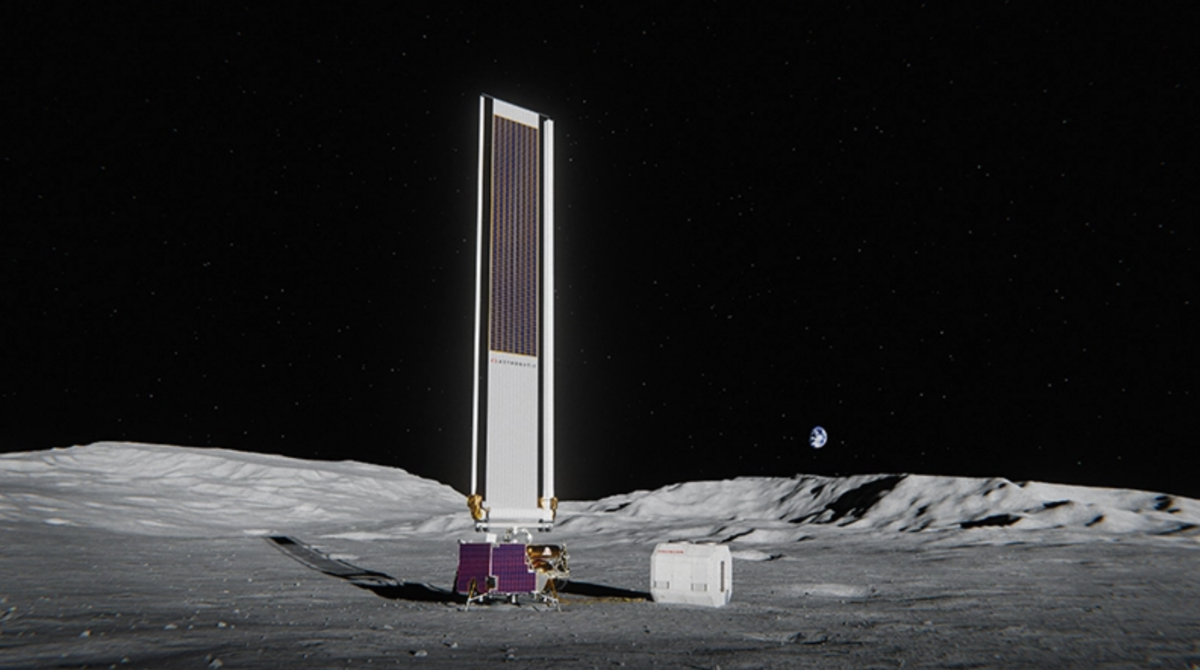
The Space Company Astrobotic, based in Pittsburgh and the North American subsidiary of Honda, are working on the integration of the vertical solar American technology of Astrobotic with the regenerative fuel cell system of Honda to develop a power and storage solution that is able to support long-term exploration.

October 6, 2025
Patrick Jowett

American Honda Motor Co., Inc. and Astrobotic Technology, Inc. have concluded a joint development agreement to develop an integrated power solution for lunar surface missions.

The two companies will carry out a joint feasibility study that investigates how astrobotic’s vertical solar -Array technology (VSAT) and Lunagrid -service can be linked to Honda’s RFC system (RFC) to offer continuous power for moon survey, even during periods of darkness on the moon.

Astrobotic’s Lunagrid is a power infrastructure service that is designed to offer persistent moon surface. It has the solar energy-driven astrobotic VSAT, a self-leveling system that is able to follow sun. The company develops both a VSAT system of 10 kW and an extra large vertical Solar Array Technology (VSAT-XL) that can generate 50 kW.

The study will combine the technology of Astrobotic with the Honda RFC system, which offers oxygen, hydrogen and electricity with the help of solar energy and water. The energy storage system stores solar energy as hydrogen during Monday and converts it into electricity during the moon evening. The only by -product of the fuel cell after generating electricity is water, which is recycled in the system of the system in the system to create an energy cycle of closed loop.

See also  American scientists build antimony sulfide solar cell with 7.69% efficiency

As part of the feasibility study, the two companies simulate annual solar direction profiles at different lunar pool locations with both the astrobotic 10 kW and 50 kW VSAT systems.

The results will help determine how much sunlight the vsat sun panels on the moon surface receive to provide the water electrolysis during the day, so that the RFC system can convert the stored hydrogen into electricity all night. These findings will be used by Honda to help increase the regenerative fuel cell system, so that it meets the energy storage needs of various Lunar missions scenarios.

The study will also evaluate the scalability of the Honda RFC system for the use of Lunagrid and the integration of hardware and software with the Honda RFC and Astrobotic VSAT to define RFC system requirements required for reliable effect.

According to a statement from Honda, the integration of the technologies could considerably expand the availability of current, which extends the mission possibilities, a persistent human presence on the Moon, the development of the moon surface infrastructure development and power of the power of the future commercial industries.

Bobby Rolley, the architect of Astrobotic’s Lunar Power Systems, said that the Lunagrid of the company can extend mission time from days to years, in turn stimulating the mission performance and data return per dollar invested. “Our collaboration with Honda is an important step in this vision, because their scalable energy storage technology will improve both Lunagrid and our VSAT, which extends our overall power generation and storage options,” Rolley added.

See also  Cumberland Solar Facility: $200 Million Investment for Va.

In April, the American defense and space manufacturer Lockheed Martin announced that it was Development of VSAT For the bet on the moon.

This content is protected by copyright and may not be reused. If you want to work with us and reuse part of our content, please contact: editors@pv-magazine.com.

Popular content

Source link

Astrobotic developing Honda Lunar missions solar solution storage Vertical
Share. Facebook Twitter Pinterest LinkedIn Tumblr Email
solarenergy
  • Website

Related Posts

Dutch solar owners asked to switch off during peak periods to ease the distribution crisis

June 7, 2026

UK government considers community grant for battery storage

June 5, 2026

Letter from China’s PV Industry: Arctech wins 2.1 GW solar deal

June 5, 2026
Leave A Reply Cancel Reply

Don't Miss
News

PVH USA to equip 200MW Texas project with advanced solar trackers

By solarenergyJuly 18, 20240

PVH USA to equip 200MW Texas project with advanced solar trackers PV Hardware USA (PVH…

Demand for large capacity battery storage cells remains strong as prices continue to fall – SPE

September 16, 2024

When solar energy meets the next generation of nuclear energy – SPE

November 26, 2025

Irish LCOH on par with Morocco and Brazil – SPE

May 15, 2026
Stay In Touch
  • Facebook
  • Twitter
  • Pinterest
  • Instagram
  • YouTube
  • Vimeo
Our Picks

Dutch solar owners asked to switch off during peak periods to ease the distribution crisis

June 7, 2026

The hydrogen flow: Toyota demonstrates its racing prototype on liquid hydrogen

June 7, 2026

Era of electrification exposing Australia’s weakest link

June 6, 2026

‘Come out from behind your screen, our industry is ultimately about people’

June 6, 2026
Our Picks

Dutch solar owners asked to switch off during peak periods to ease the distribution crisis

June 7, 2026

The hydrogen flow: Toyota demonstrates its racing prototype on liquid hydrogen

June 7, 2026

Era of electrification exposing Australia’s weakest link

June 6, 2026
About
About

Stay updated with the latest in solar energy. Discover innovations, trends, policies, and market insights driving the future of sustainable power worldwide.

Subscribe to Updates

Get the latest creative news and updates about Solar industry directly in your inbox!

Facebook X (Twitter) Instagram Pinterest
  • Contact
  • Privacy Policy
  • Terms & Conditions
© 2026 Tsolarenergynews.co - All rights reserved.

Type above and press Enter to search. Press Esc to cancel.