Halocell Energy is expected to benefit from the development of a sovereign supply chain for high-purity perovskite precursors, after signing a memorandum of understanding with Queensland advanced materials company Lava Blue.
Halocell energy will benefit from the development of a sovereign supply chain for high-purity perovskite precursors, following the signing of a Memorandum of Understanding (MOU) with Queensland advanced materials company Lava Blue.
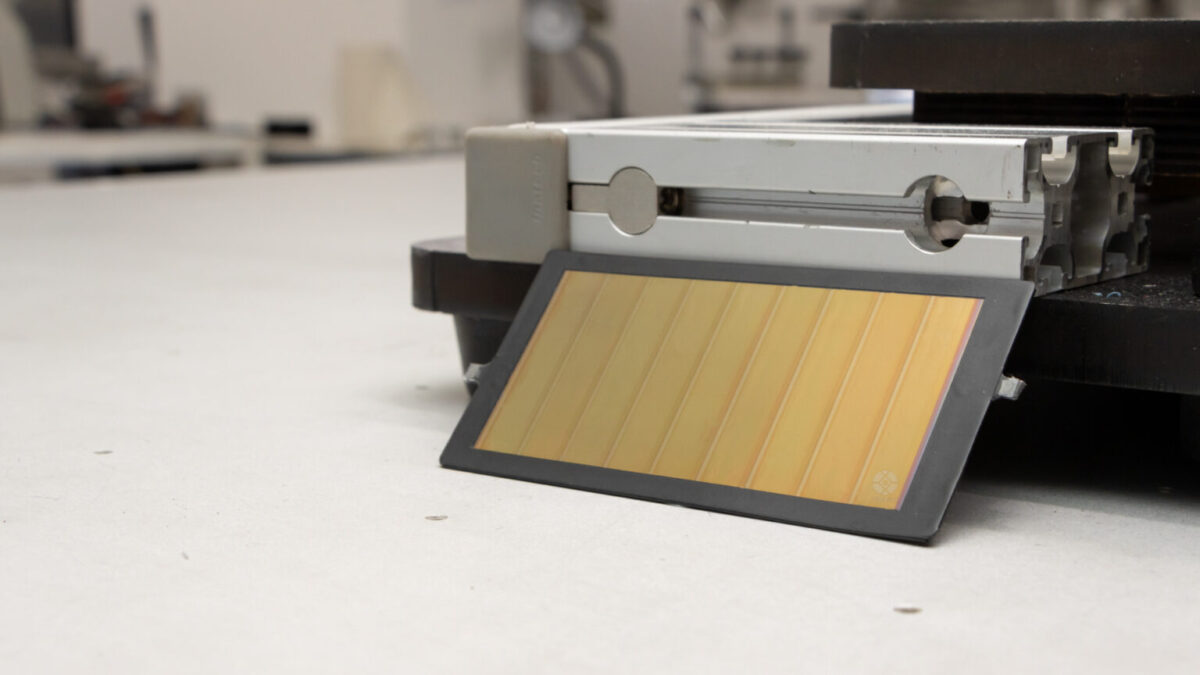
Lava Blue and New South Wales (NSW) head office Halocell Energy team up to develop scalable, Australian-made specialty chemicals used in printing perovskite solar panels.
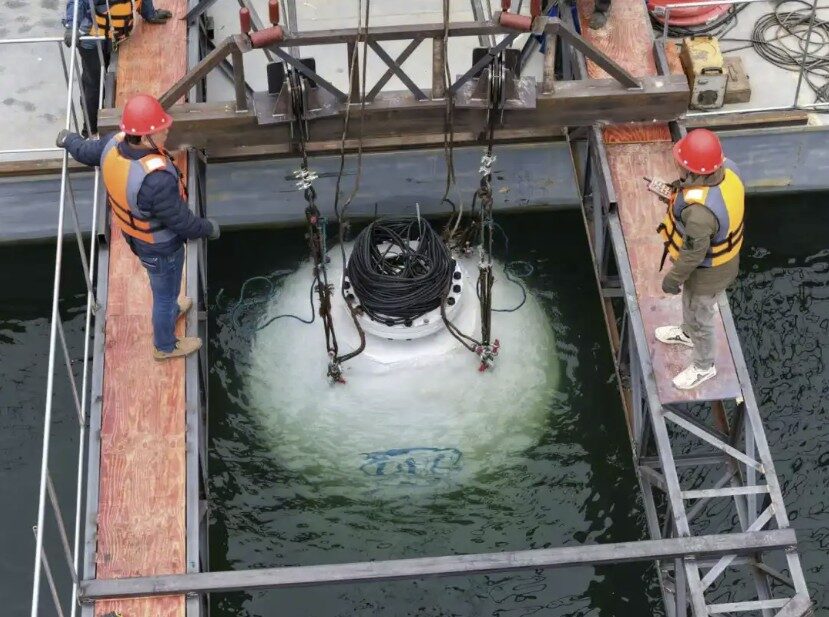
The MOU builds on Lava Blue’s work under an Australian Research Council (ARC) funded project, refining high-purity materials from mine waste for use in downstream clean technologies.
The proprietary process for producing High Purity Alumina (HPA), used in batteries, semiconductors, optics and light-emitting diodes (LEDs), enables production from unconventional sources including kaolin, red mud and industrial residues.
It operates the Center for Predictive Research into Specialty Materials (PRiSM) in Brisbane, a demonstration scale processing line capable of delivering Four-Nines (4N) and Five-Nines (5N) HPA, with purity levels up to 99.999%.
Reduce material costs
Lava Blue managing director Michael McCann said the partnership is a sign of Australia’s ability to be more than just a commodity exporter.
“We can be a source of specialized, value-added inputs essential to the energy systems of the future. With this MOU, the goal is to reduce material costs and enable Halocell to scale, making the perovskite proposal viable beyond the laboratory and into the marketplace,” said McCann.
Halocell will potentially enable cost-effective commercialization of its products, which have applications for airborne drones, space-based systems and satellites, and low-light energy harvesting for indoor electronic devices.
Halocell Energy Chief Executive Officer Paul Moonie said Halocell is creating the next generation solar solutionsthat are lightweight, printable and tailored to real-world conditions.
“To achieve scale, we need access to suitable materials at the right cost, which is why this partnership with Lava Blue is so important,” said Moonie.
Lava Blue says global demand for HPA is expected to exceed 240,000 tonnes per year by 2030, with 75% of current supply concentrated in Chinainternational interest in low-carbon, geographically diverse alternative sources of the crucial material is increasing.
This content is copyrighted and may not be reused. If you would like to collaborate with us and reuse some of our content, please contact: editors@pv-magazine.com.
Popular content