
Close Menu
  • News
  • Industry
  • Solar Panels
  • Commercial
  • Residential
  • Finance
  • Technology
  • Carbon Credit
  • More
    • Policy
    • Energy Storage
    • Utility
    • Cummunity
What's Hot

Dutch solar owners asked to switch off during peak periods to ease the distribution crisis

June 7, 2026

The hydrogen flow: Toyota demonstrates its racing prototype on liquid hydrogen

June 7, 2026

Era of electrification exposing Australia’s weakest link

June 6, 2026
Facebook X (Twitter) Instagram
Solar Energy News
Monday, June 8
  • News
  • Industry
  • Solar Panels
  • Commercial
  • Residential
  • Finance
  • Technology
  • Carbon Credit
  • More
    • Policy
    • Energy Storage
    • Utility
    • Cummunity
Solar Energy News
Home - Carbon Credit - Carbon trading requires host country approval: UNFCCC SB 60 conclusion
Carbon Credit

Carbon trading requires host country approval: UNFCCC SB 60 conclusion

solarenergyBy solarenergyJune 22, 2024No Comments2 Mins Read
Facebook Twitter Pinterest LinkedIn Tumblr Email
Share
Facebook Twitter LinkedIn Pinterest Email

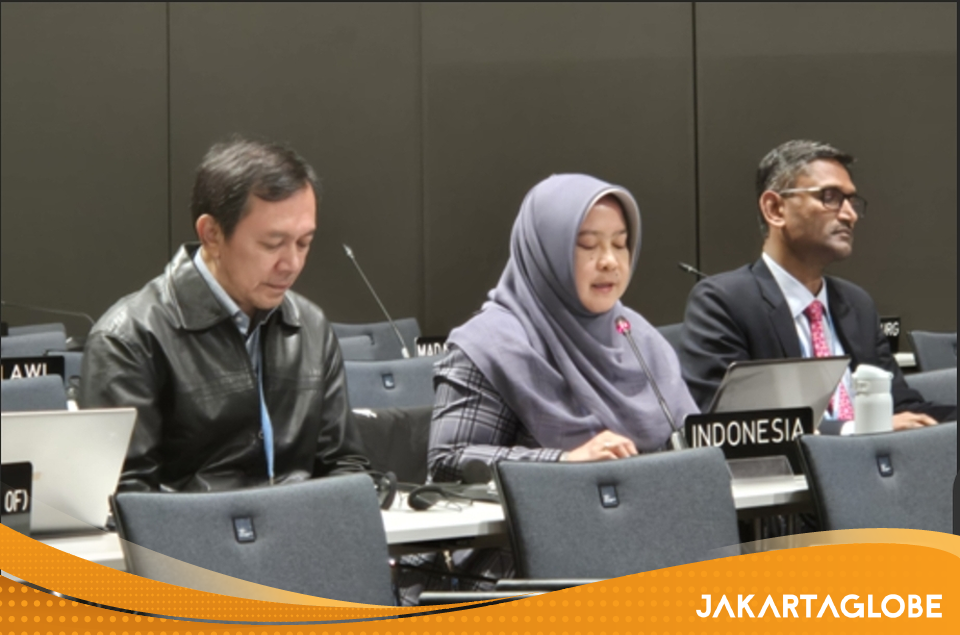
Jakarta. The 60th meeting of the Subsidiary Body (SB) of the United Nations Framework Convention on Climate Change (UNFCCC), held in Bonn, Germany from 3 to 14 June, aimed to promote international cooperation on climate change through of carbon trading. An important conclusion was that carbon trading with foreign partners requires consent from the host country.

Director General Laksmi Dhewanthi, representing the delegation of the Republic of Indonesia, underlined the importance of this agenda, especially in the context of Article 6 of the Paris Agreement. Discussions covered methodologies, authorization procedures and corresponding adjustments to avoid double counting and reporting requirements.

The meeting’s draft conclusions will be discussed at COP 29 UNFCCC in Baku, Azerbaijan in November. The meeting concluded that the transfer of carbon units to foreign partners for the fulfillment of Nationally Determined Contributions (NDCs) and other international purposes must be approved by the host country.

Detailed methodologies for corresponding adjustments will be a focal point at COP 30 in 2025. Although agreement on electronic reporting formats for intercountry cooperation under Article 6.2 is pending, cooperation can proceed independently.

As National Focal Point (NFP) for Indonesia, Laksmi highlighted the critical role of NFPs in identifying and implementing climate actions, using the UNFCCC’s non-market-based web platform for reporting.

The meeting also identified themes for the 2024 work program, emphasizing natural resource management and encouraging stakeholder engagement in NDC contributions through foreign cooperation, especially in land-based sectors such as agriculture and forestry.

“Indonesia advocates a stakeholder role in NDC contributions without transferring carbon units abroad, especially in land-based activities,” Laksmi said in a statement on Saturday.

See also  The government has petitioned 6,000 people to scrap free carbon credits for big polluters

In addition to the official agenda, Verra, a non-profit organization specializing in carbon credit programs, organized discussions on voluntary markets under Article 6 of the Paris Agreement. They emphasized the need for host countries to make corresponding adjustments to avoid double counting and maintain registry balance, except for proposed labeling purposes of overseas companies, which would require corresponding adjustments by the host country.

Keywords: keywords:

Source link

approval carbon conclusion country host requires trading UNFCCC
Share. Facebook Twitter Pinterest LinkedIn Tumblr Email
solarenergy
  • Website

Related Posts

Island Green Power obtains approval for a 125MW BESS project in Great Britain

May 21, 2026

Finding Nature Based Solutions In Your Supply Chain

May 21, 2026

Carbon scrap solar panel gigafactory project in France

May 19, 2026
Leave A Reply Cancel Reply

Don't Miss
Technology

How EU NIS2 is reforming physical and cyber security for PV plant operators – SPE

By solarenergyMarch 19, 20260

The European Union’s NIS2 directive forces PV operators to strengthen both cyber and physical security,…

Polysilicon prices in China are falling again as the stockpile of 480,000 tonnes is built up

March 6, 2026

Ardian takes over Energia Group from I Squared Capital

October 7, 2025

Seven projects drawn from the EU waterstoffonds – PV Magazine International

September 23, 2025
Stay In Touch
  • Facebook
  • Twitter
  • Pinterest
  • Instagram
  • YouTube
  • Vimeo
Our Picks

Dutch solar owners asked to switch off during peak periods to ease the distribution crisis

June 7, 2026

The hydrogen flow: Toyota demonstrates its racing prototype on liquid hydrogen

June 7, 2026

Era of electrification exposing Australia’s weakest link

June 6, 2026

‘Come out from behind your screen, our industry is ultimately about people’

June 6, 2026
Our Picks

Dutch solar owners asked to switch off during peak periods to ease the distribution crisis

June 7, 2026

The hydrogen flow: Toyota demonstrates its racing prototype on liquid hydrogen

June 7, 2026

Era of electrification exposing Australia’s weakest link

June 6, 2026
About
About

Stay updated with the latest in solar energy. Discover innovations, trends, policies, and market insights driving the future of sustainable power worldwide.

Subscribe to Updates

Get the latest creative news and updates about Solar industry directly in your inbox!

Facebook X (Twitter) Instagram Pinterest
  • Contact
  • Privacy Policy
  • Terms & Conditions
© 2026 Tsolarenergynews.co - All rights reserved.

Type above and press Enter to search. Press Esc to cancel.