

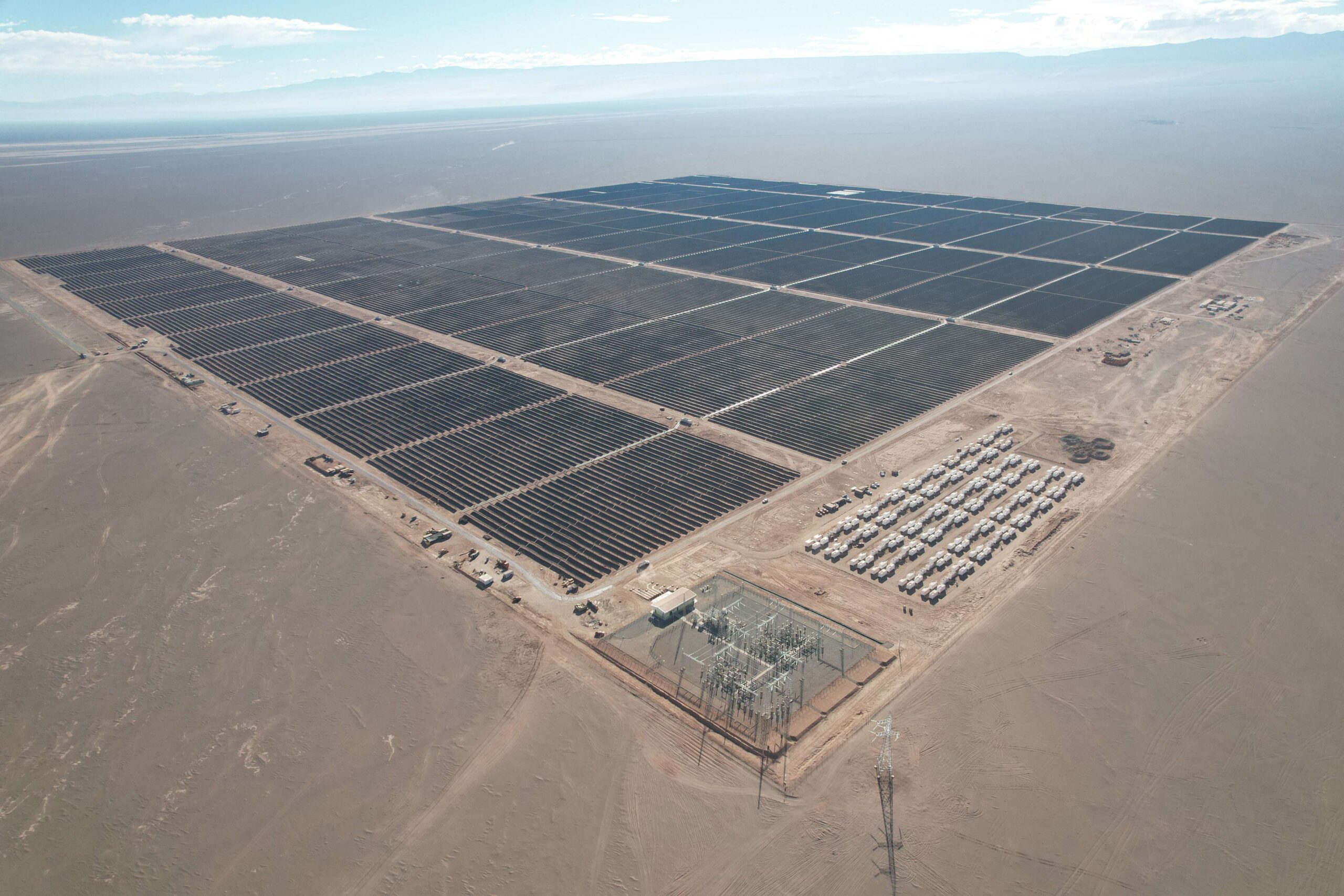
The National Energy Commission of Chile (National Energy Commission (CNE)) has approved the preliminary terms and conditions for the tender 2026/01 Licitación Pública Nacional e Internacional de Suministro 2026/01. Although the process is technology neutral, it sends clear signals that promote participation in renewable energy, especially PV combined with storage.
The document does not set exclusive quotas for solar energy or other renewable technologies. However, it does limit the eligible sources for backup generation. Proposals must be supported by generation assets or storage systems connected to the National Electric System (SEN). Coal, petroleum coke, diesel fuel and No. 6 fuel oil are not permitted as primary fuel sources.
In this context, PV technology is well positioned to compete, especially when combined with battery storage. The tender allows storage systems as a valid backup for contracted supply, provided that bidders meet obligations regarding energy extraction, backup capacity and participation in the short-term market. For sustainable projects with storage, the energy from the generation facility must be clearly distinguished from the energy removed from storage systems.
Blocks
The tender consists of two supply blocks:
- Block 1: 1,575 GWh/year, delivery from January 1, 2029 to December 31, 2043
- Block 2: 1,260 GWh/year, delivery from January 1, 2030 to December 31, 2044
Total tender volume: 2,835 GWh/year under 15-year contracts.
Segmentation by time of day
An important feature of renewable energy sources is time of day segmentation. Each block is divided into three bands:
- Band A: 00:00–07:59 and 23:00–23:59
- Band B: 08:00–17:59
- Band C: 18:00–22:59
Band B, tailored to peak solar energy generation, is responsible for the largest share: 700 GWh in Block 1 and 558 GWh in Block 2.
This structure supports solar bidding during the day, while storage enables delivery in the evening peak, specifically Band C (6:00 PM–10:59 PM). This segment totals 389 GWh in Block 1 and 312 GWh in Block 2.
By zone, most supply is concentrated in Zone 2, which includes demand from Enel, Chilquinta Energía, Emelca, Litoral, Edecsa, EEPA and part of CGE CGE. Zone 2 totals 1,000 GWh in Block 1 and 799 GWh in Block 2. This is followed by Zone 3 (297 GWh and 237 GWh), Zone 1 (146 GWh and 117 GWh) and Zone 4 (132 GWh and 107 GWh).
Variable part
The tender includes a variable component equal to 5% of the annual basic energy demand to accommodate unexpected increases in demand. Developers of renewable energy sources must therefore take into account flexibility requirements in addition to established supply obligations.
The specifications also define the requirements for next generation projects. Bidders must demonstrate sufficient backup capacity, financial closure and progress towards project execution. In case of delays, backup contracts must be concluded with another generator or an approved storage system, under the conditions set out in the tender annexes.
The CNE expects continued growth in regulated customer demand over the survey period. For the period 2029–2037, demand is expected to increase from 32,863 GWh to 41,789 GWh. A second dataset in the tender documents that the consumption of participating distributors will increase from 32,279 GWh in 2029 to 46,018 GWh in 2040.
Timelines
The preliminary planning sets the start of the tender on July 1, 2026. The research period runs until August 28, with responses and any changes no later than October 2. The submission of bids is scheduled for December 4, 2026, the opening of the economic bid on January 5, 2027 and the award ceremony on January 13, 2027.
Bids must be in USD/MWh. The reserve price is determined by the CNE through a confidential administrative act and is only published when economic offers are opened. Offers above the ceiling price are considered void.
