

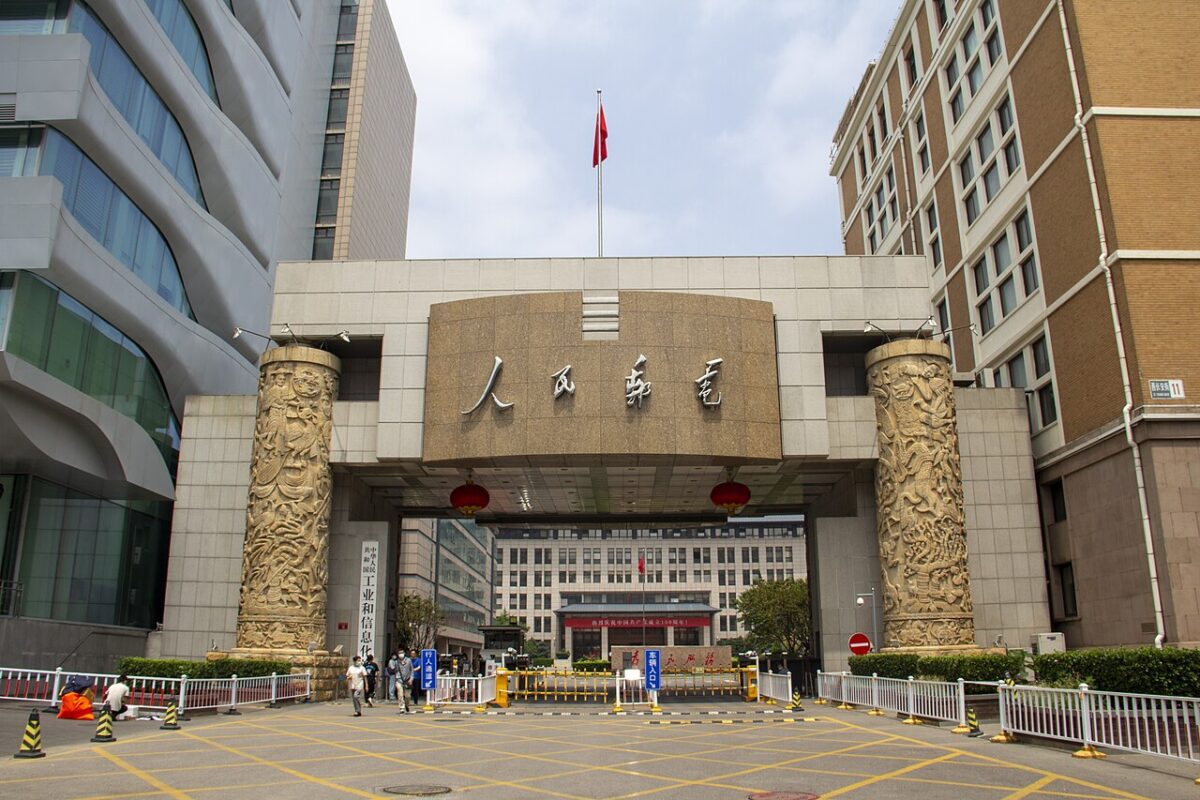
Chinese authorities plan to implement a series of policy measures to introduce stronger intellectual property protection in the country’s photovoltaic sector. Chinese enterprises are encouraged to accelerate technological progress and reserve basic patents for the development of technologies.
China’s National Intellectual Property Administration (CNIPA) and the Ministry of Industry and Information Technology (MITT) have unveiled a package of policy measures aimed at Intellectual property (IP) protection in the country’s solar industry.
The two sides jointly published a document committing to strengthen the protection of intellectual property rights to “effectively solve the problem of involution competition, continuously create a fair and orderly market environment, and promote the healthy development of the photovoltaic industry.”
The document lists eleven core tasks, starting with promoting high-quality patent applications. Companies are encouraged to accelerate technological progress in TOPCon, back-contract (BC) and heterojunction (HJT) PV technologies and reserve basic patents for developing technologies such as perovskites and tandem.
Other important tasks include improving the efficiency of patent preliminary examination, strengthening the monitoring of intellectual property risks and improving the handling of administrative dispute settlement.
The document also commits to better joint protection of IP rights, the regulation of IP infringement in solar energy procurement and the development of diversified dispute resolution. Then, the transformation and application of intellectual property rights, strengthening the response to foreign intellectual property risks, expanding the intellectual property capabilities of enterprises, and strengthening trademarks, brand building and protection are listed as other important tasks.
CNIPA and MIIT say that by 2027, IP rights will have “significantly contributed to the healthy development of the photovoltaic industry” by deploying a number of high-value patents with competition rights and increasing the industry’s ability to deal with IP risks.
The document ends with a commitment that IP management departments and industry and information technology authorities will work together to establish a coordination and consultation system for IP rights in China’s solar energy sector.
The system will strengthen overall guidance and provide a regular communication mechanism, the document said, by examining models of central-local government cooperation and regional cooperation.
The coordination and consultation system will also support solar companies with IP management and utilization capabilities, establish specialized think tanks with experts in IP, industry, law and public services, and promote IP protection in China’s solar energy sector. This work will foster a “positive social atmosphere that respects IP rights and values innovation,” CNIPA and MITT conclude.
Last July, MITT committed to curbing “disorderly” competition in China’s solar sector by tackling low-price competition and overcapacity. In November, the ministry said it would tackle irrational competition in the country’s battery storage industry.
This content is copyrighted and may not be reused. If you would like to collaborate with us and reuse some of our content, please contact: editors@pv-magazine.com.
