

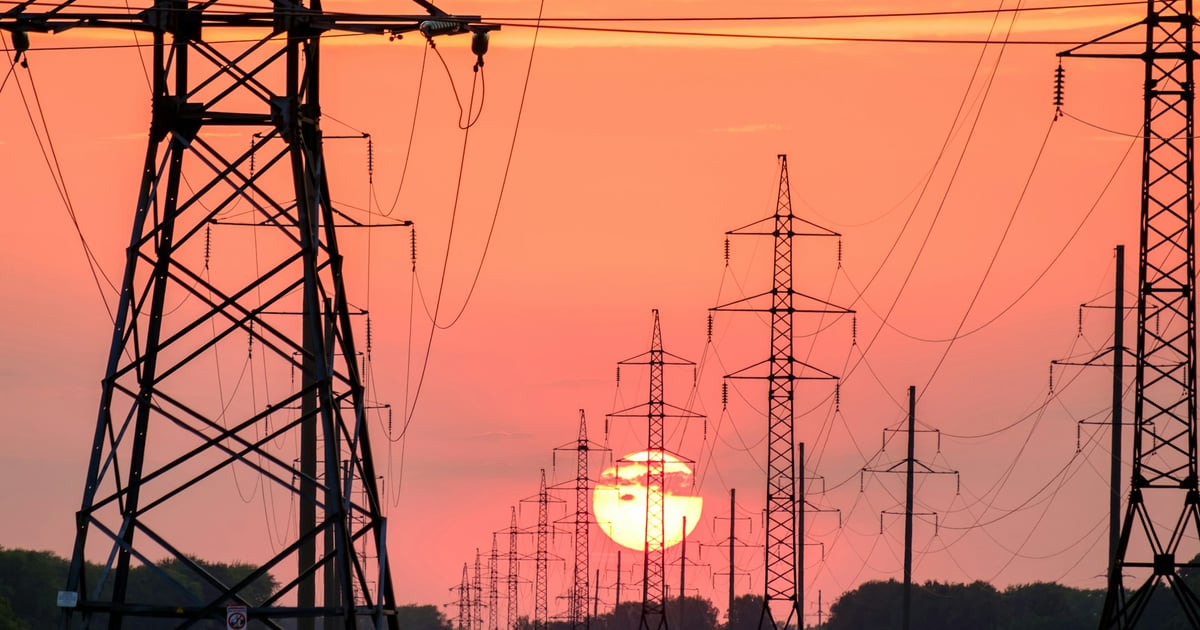
The UK National Energy System Operator (NESO) has confirmed that more than half of renewable energy projects due to come online before 2030 now have fixed grid connections offers.
According to the announcement, 58% of energy projects at the transmission and distribution level have received connection offers. This amounts to 37 GW of new electricity generation capacity that will come online in 2030.
Of the 1,223 projects in Gate 2 Phase 1, developers on 713 projects now know when and where they will connect, and what network upgrades are needed to make this possible. With that certainty, projects can progress and become more attractive for acquisition or investment.
With the eighth allocation round (AR8) of the UK Contracts for Difference (CfD) scheme due to start in July, the timing is positive, allowing a greater number projects that qualify for the scheme.
Kayte O’Neill, CEO of NESO, commented: “Today’s milestone shows that connectivity reform is delivering real results. By working closely with network companies, we are reducing delays and helping turnkey projects connect faster.”
However, the news comes not long after NESO confirmed that there has been another delay in completing the connection queuing process. NESO has made offers for projects that will connect to the high-voltage transmission network. Offers to those wanting to connect to the lower voltage distribution network are led by Distribution Network Operators (DNOs).
Lawrence Slade, CEO of trade body for network operators, the Energy Networks Association (ENA), said: “With protected project bids completed, networks are already focused on the next phase of delivery. While there is still more to do, electricity networks have committed to further accelerating grid connections and continuing to work with customers and stakeholders.”
The 37 GW of renewable generation that can now be connected to the electricity grid by 2030 will make a major contribution to achieving the government’s Clean Power 2030 targets. However, a grid connection is not the last obstacle developers will have to deal with.
In reality, Solar energy portal recently heard from a battery energy storage system (BESS) operator. who off-the-record said that in addition to the administrative queue, “the problem now will be the physical and operational implementation of that queue, the physical build-out of that infrastructure.”
‘It’s going to get worse before it gets better’ Solar energy portal heard. The operator further said that no project will connect on schedule until 2030. This raises the question of whether Britain is realistically on track to meet that 2030 target.
At the Clean Energy Summit 2030organized by our publisher Solar Media, both industry representatives and policymakers will discuss that question. A the opening panel provides a status updatebut also pay attention to the actionable ways to accelerate progress.
Our readers can get a 20% discount with the code SPP20. Book a ticket to be part of the conversation.
