
Close Menu
  • News
  • Industry
  • Solar Panels
  • Commercial
  • Residential
  • Finance
  • Technology
  • Carbon Credit
  • More
    • Policy
    • Energy Storage
    • Utility
    • Cummunity
What's Hot

Why the UK solar industry needs to own its safety story

April 23, 2026

Fraunhofer ISE develops colored film technology for patterned solar panels

April 23, 2026

Thermoacoustic heat pumps are on the verge of commercial breakthrough – SPE

April 23, 2026
Facebook X (Twitter) Instagram
Solar Energy News
Thursday, April 23
  • News
  • Industry
  • Solar Panels
  • Commercial
  • Residential
  • Finance
  • Technology
  • Carbon Credit
  • More
    • Policy
    • Energy Storage
    • Utility
    • Cummunity
Solar Energy News
Home - News - DNV launches a service to respond to climate change-induced hail risk for solar projects
News

DNV launches a service to respond to climate change-induced hail risk for solar projects

solarenergyBy solarenergySeptember 14, 2024No Comments3 Mins Read
Facebook Twitter Pinterest LinkedIn Tumblr Email
Share
Facebook Twitter LinkedIn Pinterest Email

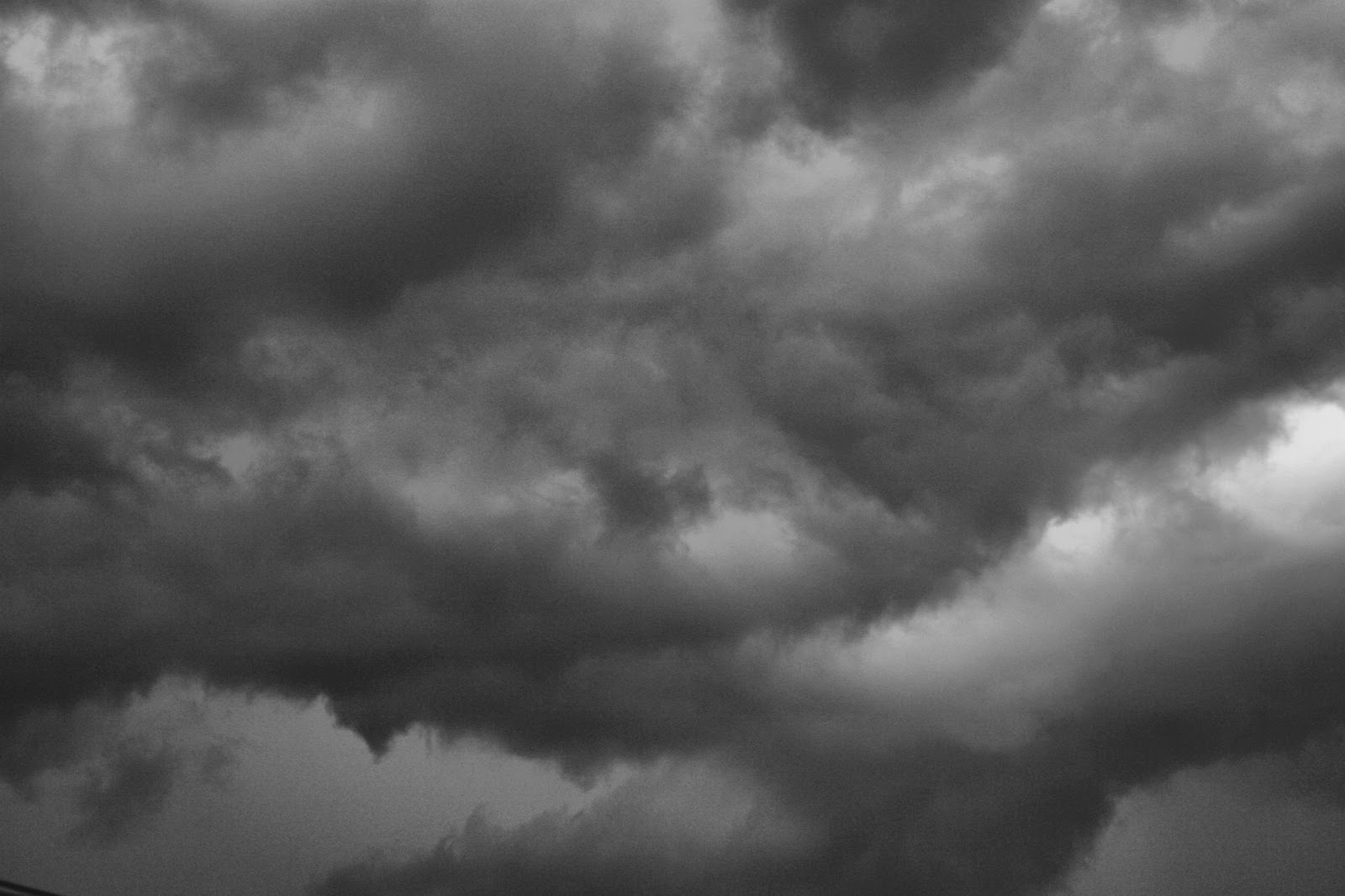
DNV has launched a new service to provide solar PV developers with actionable, verified assessments of major hail risk in North America. DNV is working with climate risk analysis firm Jupiter Intelligence to leverage its climate science to provide a robust statistical approach to evaluating hail risk from climate change, both today and in the future.

Extreme hail events have caused hundreds of millions of dollars in damage to solar PV projects across North America, even in areas historically less prone to hailstorms. It is estimated that Texas alone has suffered more than $600 million in hail damage over the past two to three years. The increase in resulting damage, as well as new uncertainty over hail-prone areas, has accelerated changes in insurance policies and threatens the financial viability of solar projects in these regions.

A leading scientific position Expect the severity of hailstorms to increase as climate change continues. Relying on historical data no longer provides an accurate assessment of hail risk, especially when it comes to hail size and location of hailstorms. Recent research on hail patterns indicates that severe hail events have been shifting northward in recent decades in the central and eastern United States, areas with a high density of installed solar energy. DNV’s new service aims to help the solar industry understand actual hail risk now and over the life of projects, up to 30 years into the future. It provides the probability of a hail event for a specific location in the contiguous United States, as well as the probability of the size of the hail itself, allowing project owners and developers to better anticipate and mitigate risks to their projects.

See also  PVH USA to equip 200MW Texas project with advanced solar trackers

“Ironically, solar energy development is now threatened by the very thing it is intended to mitigate – climate change – by enabling a transition to clean energy generation,” said Richard S. Barnes, regional president, energy systems North America, at DNV. “Understanding and mitigating the risks of hailstorms through both technical and financial means will enable the solar industry to continue its current trajectory and take its place as a major energy source in the future.”

By providing accurate, forward-looking data, DNV’s new service enables solar developers and project owners to make informed decisions that protect their investments and ensure long-term viability. As the industry faces the dual challenge of accelerating clean energy deployment while adapting to the climate changes it seeks to combat, DNV’s research-backed approach offers a path forward: strengthening resilience and securing the role of solar energy as the cornerstone of our sustainable energy future.

News item from DNV

Source link

changeinduced climate DNV hail launches projects respond risk Service solar
Share. Facebook Twitter Pinterest LinkedIn Tumblr Email
solarenergy
  • Website

Related Posts

Why the UK solar industry needs to own its safety story

April 23, 2026

Fraunhofer ISE develops colored film technology for patterned solar panels

April 23, 2026

The federal court has halted Trump administration orders that hinder solar and wind energy development

April 23, 2026
Leave A Reply Cancel Reply

Don't Miss
Energy Storage

Zonne, house-equipped house destroyed by explosion in Germany-PV Magazine International

By solarenergyFebruary 21, 20250

In the German state of Sleeswijk-Holstein, an explosion tore the outer wall away from a…

Innovation to increase encapsulating capacity to 30 GW

July 18, 2025

Reactive energy management is key to promoting grid stability – SPE

July 29, 2024

Space Solar Teams with Magdrive to stimulate in-orbit solar energy systems

March 22, 2025
Stay In Touch
  • Facebook
  • Twitter
  • Pinterest
  • Instagram
  • YouTube
  • Vimeo
Our Picks

Why the UK solar industry needs to own its safety story

April 23, 2026

Fraunhofer ISE develops colored film technology for patterned solar panels

April 23, 2026

Thermoacoustic heat pumps are on the verge of commercial breakthrough – SPE

April 23, 2026

The federal court has halted Trump administration orders that hinder solar and wind energy development

April 23, 2026
Our Picks

Why the UK solar industry needs to own its safety story

April 23, 2026

Fraunhofer ISE develops colored film technology for patterned solar panels

April 23, 2026

Thermoacoustic heat pumps are on the verge of commercial breakthrough – SPE

April 23, 2026
About
About

Stay updated with the latest in solar energy. Discover innovations, trends, policies, and market insights driving the future of sustainable power worldwide.

Subscribe to Updates

Get the latest creative news and updates about Solar industry directly in your inbox!

Facebook X (Twitter) Instagram Pinterest
  • Contact
  • Privacy Policy
  • Terms & Conditions
© 2026 Tsolarenergynews.co - All rights reserved.

Type above and press Enter to search. Press Esc to cancel.